Inside Timothy Corrigan’s Château du Grand-Lucé | Architectural Digest
TL;DR
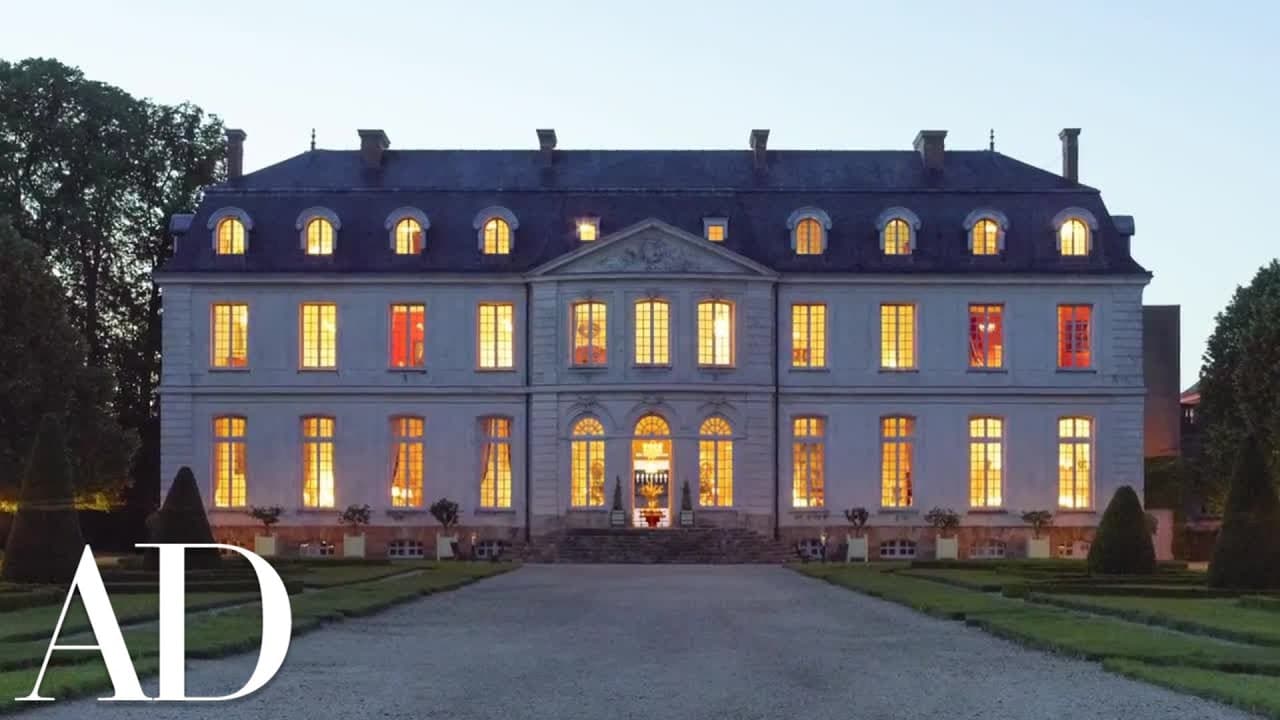
Designer Timothy Corrigan shares his experience renovating and transforming a historic French countryside chateau into a comfortable and personalized space.
Transcript
hi i'm timothy corrigan and i'm so excited to tell you about my home in the french countryside chateau de grande would say i owned a another chateau in loire valley and i'd always driven by the chateau de grand lucei and and always sort of loved it because it's considered one of the finest pieces of neoclassical architecture in france and it was re... Read More
Key Insights
- 🌍 Renovating a national landmark requires navigating strict regulations and obtaining approval for modifications.
- 👨🎨 Historical buildings may have unique requirements, such as specialized paint for preservation.
- 🤵 Adding personal touches, like unique themes for guest rooms, can create a more personalized and comfortable living experience.
- 😄 A successful design should balance beauty and comfort, allowing inhabitants to feel at ease in their space.
- 🎨 The Chateau de Grand Luce serves as a source of inspiration in design, demonstrating that valuable concepts learned there can be applied to any home.
- ✌️ Restoring a historic property can provide a sense of peace and nurture personal connections with family and friends.
- 🤯 Each room in the chateau is designed with a purpose and story in mind, showcasing the versatility of the space.
Install to Summarize YouTube Videos and Get Transcripts
Explore YouTube Video Summarizer or Get YouTube Transcript Extractor
Questions & Answers
Q: What inspired Timothy Corrigan to choose the Chateau de Grand Luce for his restoration project?
Timothy Corrigan was drawn to the Chateau de Grand Luce because of its neoclassical architecture and the fact that it was largely unrestored since World War II, providing an opportunity to restore a historic masterpiece.
Q: How did Timothy manage to overcome the challenges of renovating a national landmark?
Overcoming renovation challenges involved working with local authorities to obtain approval for modifications, accommodating restrictions while still adding personal touches, and ensuring the preservation of the chateau's historical significance.
Q: How did Timothy approach the design and decor of the chateau's dining room?
The dining room was one of the few rooms that required minimal restoration. Timothy aimed to create a "wow factor" by adding electricity, paint, and attention to detail, while still preserving the grandeur and historical elements of the space.
Q: How did Timothy ensure that the chateau's guest rooms felt personalized and non-hotel-like?
Each guest room was decorated based on Timothy's imagination of a different person staying in it, such as Virginia Woolf or a French general. This approach allowed for individual themes, colors, and personalities in each room.
Summary & Key Takeaways
-
Timothy Corrigan purchased the Chateau de Grand Luce, a neoclassical landmark in France, and embarked on a restoration project.
-
Renovation challenges included obtaining approval for modifications, such as a swimming pool, and discovering the need for specialized paint for 18th-century paneling.
-
The chateau features 14 guest rooms and each is decorated with a unique theme to create a personalized and non-hotel-like experience.
Read in Other Languages (beta)
Share This Summary 📚
Summarize YouTube Videos and Get Video Transcripts with 1-Click
Try YouTube Summary with ChatGPT & Claude or YouTube Transcript Generator
Explore More Summaries from Architectural Digest 📚





Summarize YouTube Videos and Get Video Transcripts with 1-Click
Try YouTube Summary with ChatGPT & Claude or YouTube Transcript Generator