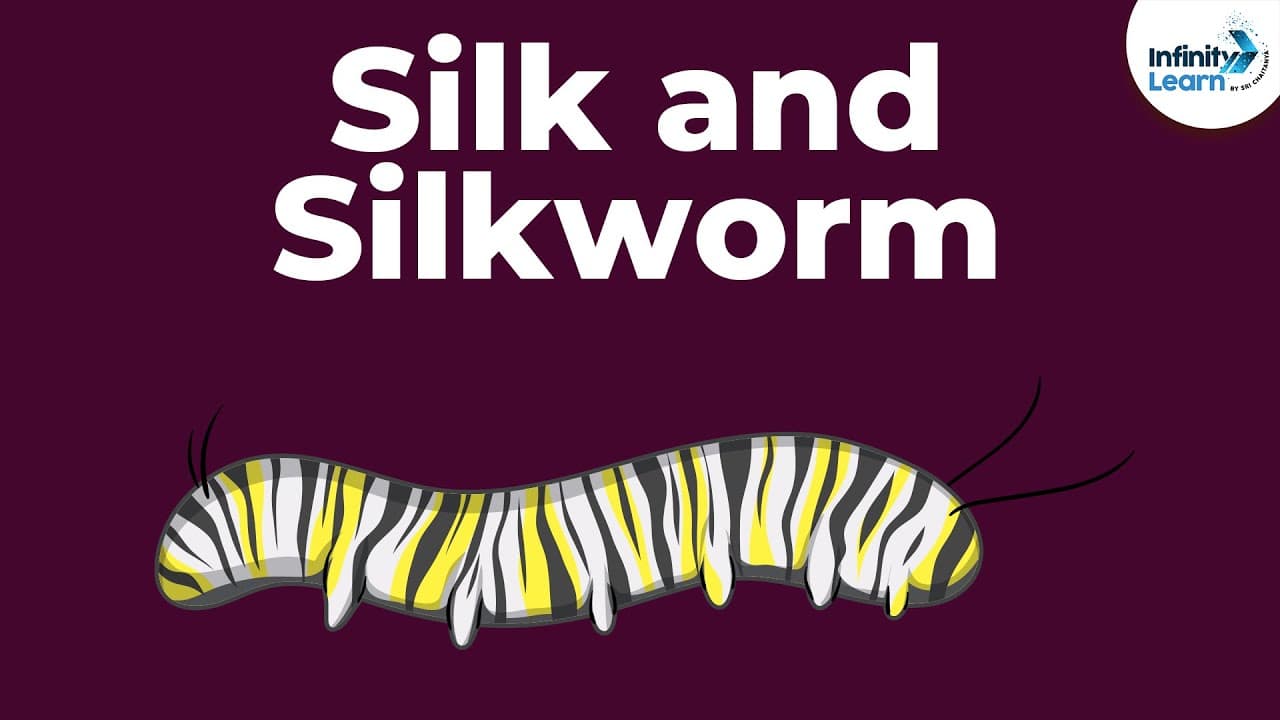
Silk and Silkworm | Fibre to Fabics | Don't Memorise
TL;DR
Learn about the lifecycle of silkworms and how their cocoons provide the luxurious silk fabric we adore.
Transcript
you must have seen that mom wears beautiful soft and shiny saris on special occasions the texture beauty and the luster of the fabric grabs a lot of attention and appreciation but what is this fabric exactly it's nothing but silk yes we have come across this term several times let us now understand what Circus and how the fibers are obtained to sta... Read More
Key Insights
- ❓ Silk fabric is derived from the cocoons of silkworms, showcasing the intricate process of silk production.
- 🧑 Silkworms undergo various developmental stages, from eggs to larvae, pupa, and adult moths, contributing to the silk industry.
- 🖐️ Mulberry leaves play a vital role in the growth and nourishment of silkworms, impacting the quality of silk produced.
- ❓ Sericulture, the practice of cultivating silkworms, is essential for maintaining a sustainable silk production industry.
- 🧵 The strength and quality of silk threads obtained from cocoons highlight the resilience and versatility of this natural fiber.
- ❓ Understanding the complete lifecycle of silkworms provides insights into the intricate process behind the creation of silk fabric.
- 🔬 Silk, with its luxurious texture and luster, remains a highly prized fabric due to the labor-intensive process involved in its production.
Install to Summarize YouTube Videos and Get Transcripts
Explore YouTube Video Summarizer or Get YouTube Transcript Extractor
Questions & Answers
Q: How do silkworms contribute to the production of silk fabric?
Silkworms go through various stages in their lifecycle, ultimately forming cocoons that yield silk threads used in fabric production.
Q: What is the significance of mulberry leaves in the development of silkworms?
Mulberry leaves serve as the preferred food source for silkworms, aiding in their growth and transition through different developmental stages.
Q: How are silk threads extracted from silkworm cocoons?
Silk threads are obtained by collecting cocoons, which are processed to extract the strong fibers, leading to the creation of luxurious silk fabric.
Q: Why is the practice of sericulture crucial in the production of silk?
Sericulture involves the cultivation of silkworms in specialized farms, ensuring a steady supply of cocoons for silk production, making the industry sustainable.
Summary & Key Takeaways
-
Silk is obtained from silkworm cocoons, where the larvae go through different stages from eggs to adults.
-
Silkworms prefer mulberry leaves, and the lifecycle includes egg-laying, larval growth, cocoon formation, pupa stage, and maturation.
-
Silk threads are extracted from cocoons, which are reared in specialized farms through the practice of sericulture.
Read in Other Languages (beta)
Share This Summary 📚
Summarize YouTube Videos and Get Video Transcripts with 1-Click
Try YouTube Summary with ChatGPT & Claude or YouTube Transcript Generator
Explore More Summaries from Infinity Learn NEET 📚

Summarize YouTube Videos and Get Video Transcripts with 1-Click
Try YouTube Summary with ChatGPT & Claude or YouTube Transcript Generator