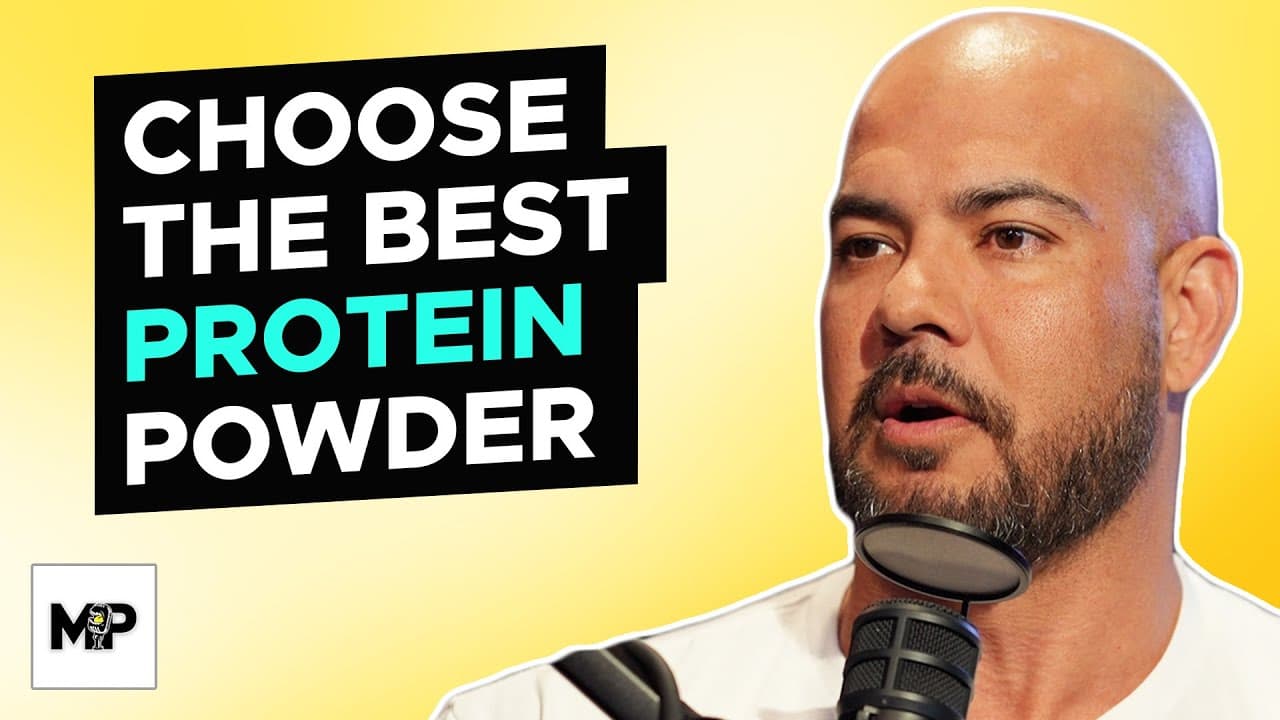
Top 2 Factors To Choosing The Best Protein Powder For You | Mind Pump 2243
TL;DR
Key factors for choosing protein powders are purity and digestibility.
Transcript
when picking a protein powder here are the two most important things you should consider number one make sure it's got protein in it that's right no number one that is important it needs to be free from impurities uh believe it or not a remarkable amount of protein powders have high amounts of heavy metals that's not good for you number two is it e... Read More
Key Insights
- When selecting a protein powder, prioritize those free from impurities and easily digestible to avoid health issues.
- Many protein powders contain heavy metals, which can have long-term adverse effects on health if consumed regularly.
- Vegan protein powders can contain higher levels of heavy metals due to organic pesticides used in their cultivation.
- The supplement industry sometimes misleads consumers by using amino acid spiking to inflate protein content claims.
- Protein powders should be third-party tested to ensure they meet label claims and are free from harmful substances.
- Digestibility is crucial; protein powders that cause digestive distress can be counterproductive to health goals.
- Some organic pesticides contain heavy metals, leading to higher contamination in organic vegan protein powders.
- The protein content per scoop can be misleading; always check serving sizes to understand the actual protein intake.
Install to Summarize YouTube Videos and Get Transcripts
Explore YouTube Video Summarizer or Get YouTube Transcript Extractor
Questions & Answers
Q: What are the two most important factors when choosing a protein powder?
The two most important factors are ensuring the protein powder is free from impurities, such as heavy metals, and that it is easily digestible. Many protein powders contain harmful substances that can accumulate in the body over time, leading to health issues. Therefore, it's crucial to select a product that has been third-party tested for purity and digestibility.
Q: Why are vegan protein powders often higher in heavy metals?
Vegan protein powders can have higher levels of heavy metals due to the use of organic pesticides, which sometimes contain heavy metals. These pesticides are used on plants like soy, rice, and peas, which are common sources of vegan protein. This contamination can lead to adverse health effects if consumed regularly over time.
Q: What is amino acid spiking, and why is it a concern?
Amino acid spiking is a practice where companies add extra amino acids to protein powders to artificially inflate the protein content. This is concerning because it can mislead consumers into thinking they are getting more protein than they actually are. It's essential to choose protein powders that are third-party tested to ensure they meet their nutritional claims.
Q: How can consumers ensure they are getting a quality protein powder?
Consumers should look for protein powders that are third-party tested for purity and digestibility. Checking for certifications and lab testing results can help verify that the product meets its label claims and is free from harmful substances. Additionally, understanding serving sizes and protein content per scoop is important to avoid misleading claims.
Q: What are the potential health risks of consuming protein powders with heavy metals?
Consuming protein powders with heavy metals can lead to a buildup of these substances in the body over time, potentially causing neurological effects, anxiety, inflammation, and hormonal imbalances. It's crucial to select protein powders that are tested for heavy metal content to avoid these long-term health risks.
Q: Why is digestibility an important factor in choosing a protein powder?
Digestibility is important because protein powders that cause digestive distress can lead to inflammation and other health issues. A protein powder should be easy to digest, allowing the body to absorb and utilize the protein effectively without causing gastrointestinal discomfort or other adverse effects.
Q: How can serving size affect the perceived value of a protein powder?
Serving size can be misleading when determining the protein content of a powder. Some products may require multiple scoops to meet the advertised protein amount, making them appear cheaper but actually providing less protein per serving. Consumers should always check the serving size to understand the true protein intake and cost-effectiveness.
Q: What steps can consumers take to avoid protein powders with impurities?
Consumers should choose protein powders that have been third-party tested and certified for purity. Looking for products with transparent labeling and testing results can help ensure they are free from impurities like heavy metals. Additionally, selecting reputable brands known for quality and testing can reduce the risk of consuming contaminated products.
Summary & Key Takeaways
-
Selecting a protein powder involves considering purity and digestibility as primary factors. Many powders contain heavy metals, which can pose health risks over time. It's essential to choose products that are third-party tested to ensure they meet their nutritional claims.
-
Vegan protein powders often have higher levels of heavy metals due to organic pesticide use. Consumers should be vigilant about the protein content per serving, as some products may require multiple scoops to meet the advertised protein amount.
-
The supplement industry sometimes uses amino acid spiking to falsely inflate protein content claims. It's crucial to choose products that are tested for purity and digestibility to avoid potential health issues and ensure optimal protein intake.
Read in Other Languages (beta)
Share This Summary 📚
Summarize YouTube Videos and Get Video Transcripts with 1-Click
Try YouTube Summary with ChatGPT & Claude or YouTube Transcript Generator
Explore More Summaries from Mind Pump Show 📚



Summarize YouTube Videos and Get Video Transcripts with 1-Click
Try YouTube Summary with ChatGPT & Claude or YouTube Transcript Generator