What Are the Essential Lighting Techniques for 3D Art?
TL;DR
Essential lighting techniques for 3D art include point lights, three-point lighting, and global illumination, each serving unique purposes. Mastery of lighting can significantly enhance realism; for example, HDRI is key for realistic reflections and environment immersion. Emissive lighting and volumetric effects further contribute to the visual impact of a scene.
Transcript
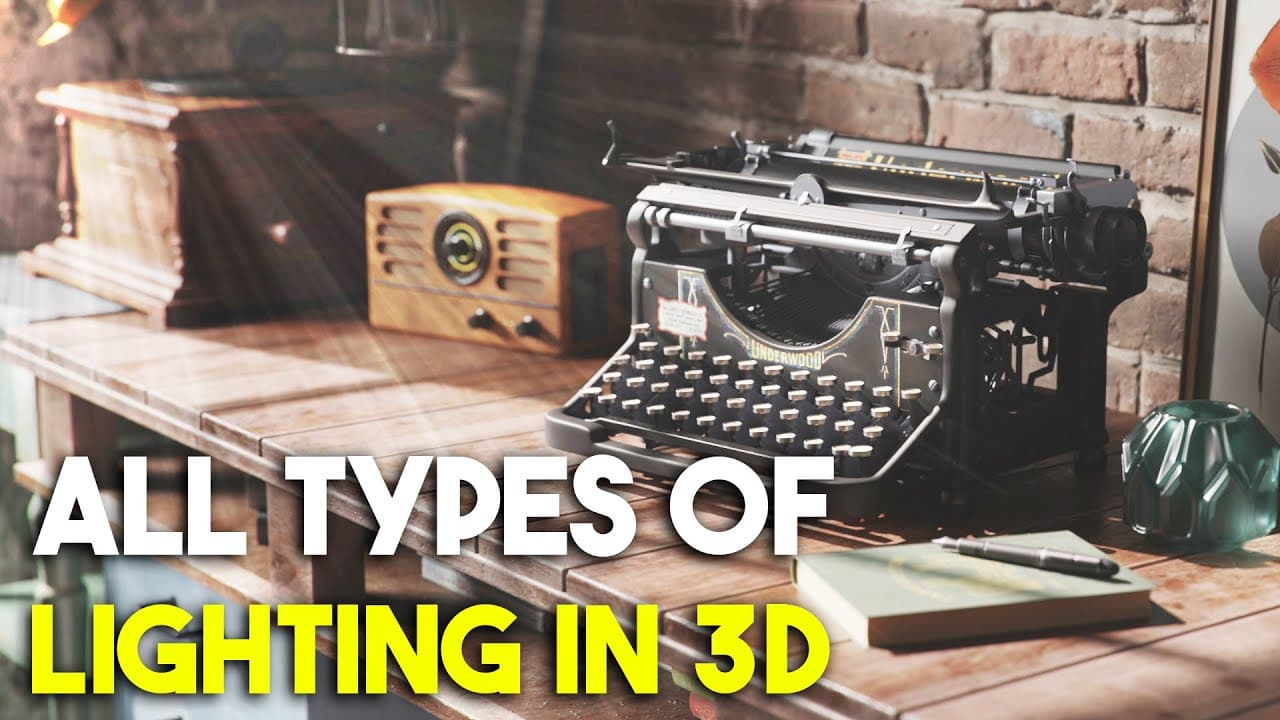
lighting is something that is often underestimated by many when in reality good lighting can turn a simple scene into a masterpiece whereas bad lighting can make something amazing look bad as you may know the Mastery of lighting is a NeverEnding Pursuit for any 3D artist because you can always get better and to do this you need to know what are the... Read More
Key Insights
- 🙂 Traditional light sources like point lights and spotlights are fundamental for creating moods in 3D scenes.
- 😥 The three-point lighting technique is a classic setup used across various visual media industries.
- ❓ HDRI is crucial for realistic lighting and reflections in 3D renders.
- 🙂 Dynamic lighting simplifies the process by allowing real-time adjustments to light conditions.
- 🌐 Global illumination simulates realistic lighting interactions in virtual environments.
- 🚒 Directional lighting simulates sunlight and is commonly used in offline rendering engines.
- 😁 Volumetric lighting adds depth and visual impact to 3D scenes by simulating beams of light.
Install to Summarize YouTube Videos and Get Transcripts
Explore YouTube Video Summarizer or Get YouTube Transcript Extractor
Questions & Answers
Q: What are some traditional light sources every 3D artist should know about?
Traditional light sources like point lights, spotlights, and area lights are essential for creating different moods and effects in 3D scenes. Understanding these basics is crucial for mastering lighting techniques.
Q: How does the three-point lighting technique enhance visual appeal in 3D renders?
The three-point lighting technique involves using key, fill, and backlight to create highlights, shadows, and separation in 3D objects. This setup is widely used in various industries to enhance the visual quality of renders.
Q: What is the significance of using HDRI in 3D lighting?
HDRI, or high dynamic range images, provide realistic lighting and reflections in 3D scenes by capturing lighting information from real-world environments. This technique is crucial for achieving photorealistic results in renders.
Q: How does emissive lighting differ from other types of lighting in 3D scenes?
Emissive lighting directly emits light from 3D models, giving artists more control over light sources. It is commonly used for objects like computer screens or neon signs to add artistic flair to scenes.
Summary & Key Takeaways
-
Good lighting is essential for creating stunning 3D scenes.
-
Traditional light sources and techniques are fundamental for any 3D artist.
-
Different types of lighting, such as point lights, global illumination, and emissive lighting, play crucial roles in achieving realism.
Read in Other Languages (beta)
Share This Summary 📚
Summarize YouTube Videos and Get Video Transcripts with 1-Click
Try YouTube Summary with ChatGPT & Claude or YouTube Transcript Generator
Explore More Summaries from InspirationTuts 📚
Summarize YouTube Videos and Get Video Transcripts with 1-Click
Try YouTube Summary with ChatGPT & Claude or YouTube Transcript Generator