What Happened in the Real-Life 'Breaking Bad' Case?
TL;DR
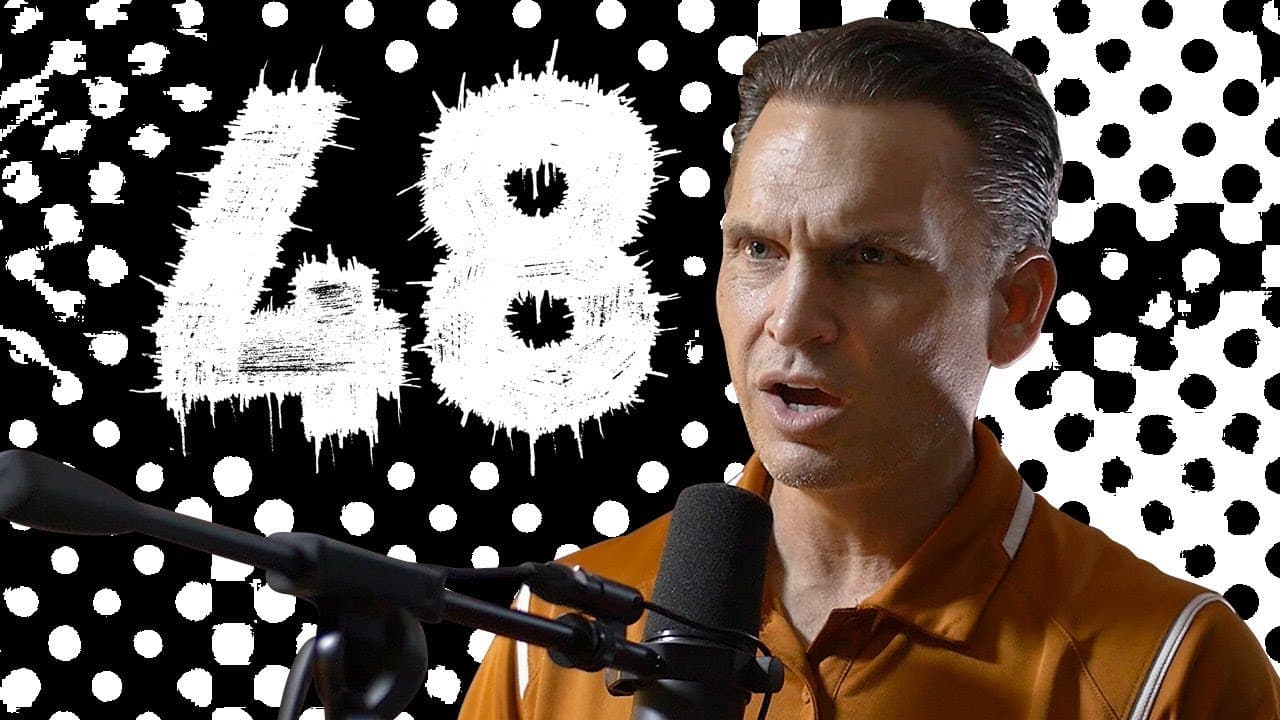
The case of Pete Rossini, a man wrongfully imprisoned due to corruption within law enforcement, resembles a real-life 'Breaking Bad.' Framed for murder and manipulated by FBI agents, Rossini's story highlights systemic issues in the justice system, including selective evidence handling and political motivations, particularly involving Robert Mueller. This scandal emphasizes the urgent need for transparency and accountability to prevent similar injustices.
Transcript
all right this video is sponsored by Skillshare Skillshare is an online learning community with over 25,000 classes in design business and more premium memberships give you unlimited access so you can join the classes and communities that are just right for you whether you want to feel your curiosity creativity or even your career skill share is th... Read More
Key Insights
- 🥺 Systematic corruption within law enforcement agencies can lead to wrongful convictions and mistrust among the public.
- 👨⚖️ The framing of individuals, such as Pete Rossini, showcases how personal careers can overshadow justice in politically motivated environments.
- 💼 Robert Mueller's actions in the case illustrate the significant consequences of prosecutorial misconduct and the manipulation of evidence.
- 🖼️ Official documentation, like 302 reports, can be selectively crafted, resulting in an incomplete and misleading picture of case events.
- 🥺 There exists a pervasive culture of fear among inmates who witness corruption, leading to reluctance in speaking out against it.
- 👪 Wrongful imprisonment not only impacts the sentenced individual but also their families and communities.
- 👨⚖️ The podcast advocates for transparency and review processes within the justice system to rectify injustices and restore public trust.
Install to Summarize YouTube Videos and Get Transcripts
Explore YouTube Video Summarizer or Get YouTube Transcript Extractor
Questions & Answers
Q: Who is Pete Rossini and what is his story about?
Pete Rossini is a drug trafficker who was wrongfully convicted of murder due to a conspiracy involving corrupt FBI agents. He was framed for the murders of two individuals, and despite demonstrating innocence and involvement in a drug conspiracy, he received a lengthy sentence while the real culprits evaded justice.
Q: What role did Robert Mueller play in Rossini's case?
Robert Mueller, then a U.S. Attorney, was involved in the prosecution that targeted Rossini. His actions included suppressing evidence of FBI corruption and framing Rossini as the mastermind behind the murders, which ultimately helped secure convictions against Rossini and others.
Q: How did the podcast address the issues of systemic corruption?
The podcast analyzed how systemic corruption in law enforcement can lead to wrongful convictions, using Rossini’s case as a prime example. It discussed the manipulation of evidence and dismissals of vital testimonies, showcasing a pattern of abuse that prioritizes political gain over justice.
Q: What evidence exists to support Rossini’s claims of innocence?
Evidence supporting Rossini's claims includes missed notes from FBI meetings that contradict the official 302 reports, multiple witnesses who can verify his narrative, and documents that show an extensive cover-up by various law enforcement agents involved in the case.
Q: What is the significance of the 302 report mentioned in the podcast?
The 302 report is crucial because it serves as an official record of FBI interviews, yet it lacks information about the corruption and misdeeds of the agents involved. The selective nature of the report suggests a cover-up, highlighting the failures in the justice system.
Q: What can be done to potentially help free Pete Rossini?
Efforts to free Pete Rossini could include raising awareness of his case, advocating for the revisitation of the evidence, petitioning for legal reviews, and potentially leveraging public pressure to influence judicial decisions or seek a pardon from political leaders.
Q: How does the podcast illustrate the impact of wrongful imprisonment on individuals?
The podcast emphasizes that wrongful imprisonment devastates lives, as exemplified by Rossini's continued incarceration despite not being the actual murderer. It discusses the emotional toll on him and his family, raising awareness about the human side of legal failures.
Q: What broader message does the podcast convey regarding law enforcement and public trust?
The podcast conveys a critical message about the erosion of public trust in law enforcement due to instances of corruption and miscarriage of justice. It calls for greater accountability and transparency within the criminal justice system to prevent wrongful convictions.
Summary & Key Takeaways
-
The video discusses the systemic corruption within law enforcement, specifically focusing on the case of Pete Rossini, who is framed for murder. The narrative describes how FBI agents manipulated evidence and testimonies to secure convictions against drug dealers.
-
Key evidence includes missing documentation, selective 302 reports created by the FBI, and the political motivations behind the framing, particularly involving Robert Mueller. The video highlights the personal toll on Rossini, who remains imprisoned for decades despite his innocence.
-
The podcast emphasizes the implications of police misconduct on justice and public perception, urging viewers to consider the broader issues of wrongful convictions and the responsibilities of authorities.
Read in Other Languages (beta)
Share This Summary 📚
Summarize YouTube Videos and Get Video Transcripts with 1-Click
Try YouTube Summary with ChatGPT & Claude or YouTube Transcript Generator
Explore More Summaries from Danny Jones Podcast 📚



Summarize YouTube Videos and Get Video Transcripts with 1-Click
Try YouTube Summary with ChatGPT & Claude or YouTube Transcript Generator