Neural networks: The evolution of intelligence | Jay McClelland and Lex Fridman
TL;DR
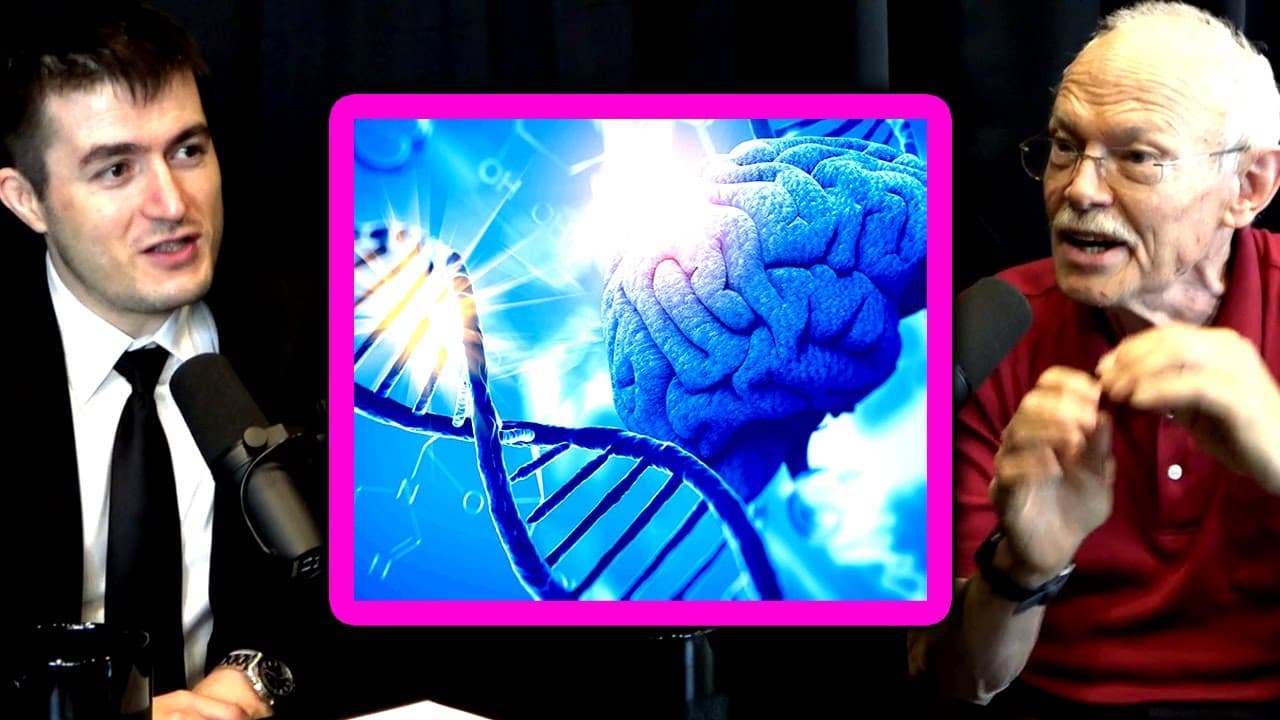
Neural networks provide a link between biology and understanding the human mind.
Transcript
you are one of the seminal figures in the history of neural networks at the intersection of cognitive psychology and computer science what do you has over the decades emerged as the most beautiful aspect about neural networks both artificial and biological the fundamental thing i think about with neural networks is how they allow us to link biology... Read More
Key Insights
- 👻 Neural networks allow for the exploration of the biological basis of cognitive processes, connecting biology with the mysteries of thought.
- 🤯 The study of physiological mechanisms in cognitive psychology highlights the essential role of biology in understanding the mind.
- 💨 Darwin's discoveries challenged notions of design and complexity, paving the way for recognizing the natural emergence of sophisticated organisms.
- 📺 The continuity between humans and non-human animals in various aspects, such as vision, emphasizes the shared biological origins of cognitive systems.
- ❓ Nature's ability to produce organisms with remarkable capabilities, like humans, is a fascinating and magical aspect of biological evolution.
- 😃 The complexity and development of organisms, including the human eye, require thinking across many generations, challenging our understanding of undirected processes.
- 🧠 Embryological and brain development processes contribute to the exquisite complexity of brains and the laying down of neural pathways.
Install to Summarize YouTube Videos and Get Transcripts
Explore YouTube Video Summarizer or Get YouTube Transcript Extractor
Questions & Answers
Q: How do neural networks bridge the gap between biology and the mysteries of thought?
Neural networks provide a means to study the biological aspects of the nervous system and its connection to cognitive processes, offering insights into understanding the mind.
Q: What were Descartes' views on the body and thought, and how do they differ from a biological perspective?
Descartes believed that the body acted mechanistically based on physical contact, but thought required something divine. A biological perspective recognizes that cognition is intricately linked to the physical body.
Q: How did Darwin's understanding of evolution challenge previous ideas of design and complexity in nature?
Darwin's discoveries about evolution demonstrated that complex organisms could have emerged from natural, unguided processes. This contradicted previous arguments that complexity implied a design.
Q: How does the study of vision showcase the continuity between humans and non-human animals?
Vision scientists have long recognized the similarity between human and non-human animal visual systems, especially in the initial stages of processing. This points to the shared biological foundations of vision.
Summary & Key Takeaways
-
Neural networks allow the study of the nervous system and its connection to cognitive psychology, challenging the idea that understanding biology cannot lead to understanding the mind.
-
Physiological mechanisms play a crucial role in cognitive psychology, highlighting the biological basis of cognitive processes.
-
Evolutionary continuity and the complexity of organisms contribute to the mystery and beauty of nature's ability to give rise to organisms like humans.
Read in Other Languages (beta)
Share This Summary 📚
Summarize YouTube Videos and Get Video Transcripts with 1-Click
Try YouTube Summary with ChatGPT & Claude or YouTube Transcript Generator
Explore More Summaries from Lex Clips 📚




Summarize YouTube Videos and Get Video Transcripts with 1-Click
Try YouTube Summary with ChatGPT & Claude or YouTube Transcript Generator