RETAIL THERAPY - Sự đê mê của MUA SẮM | Tú Anh | KHOA HỌC
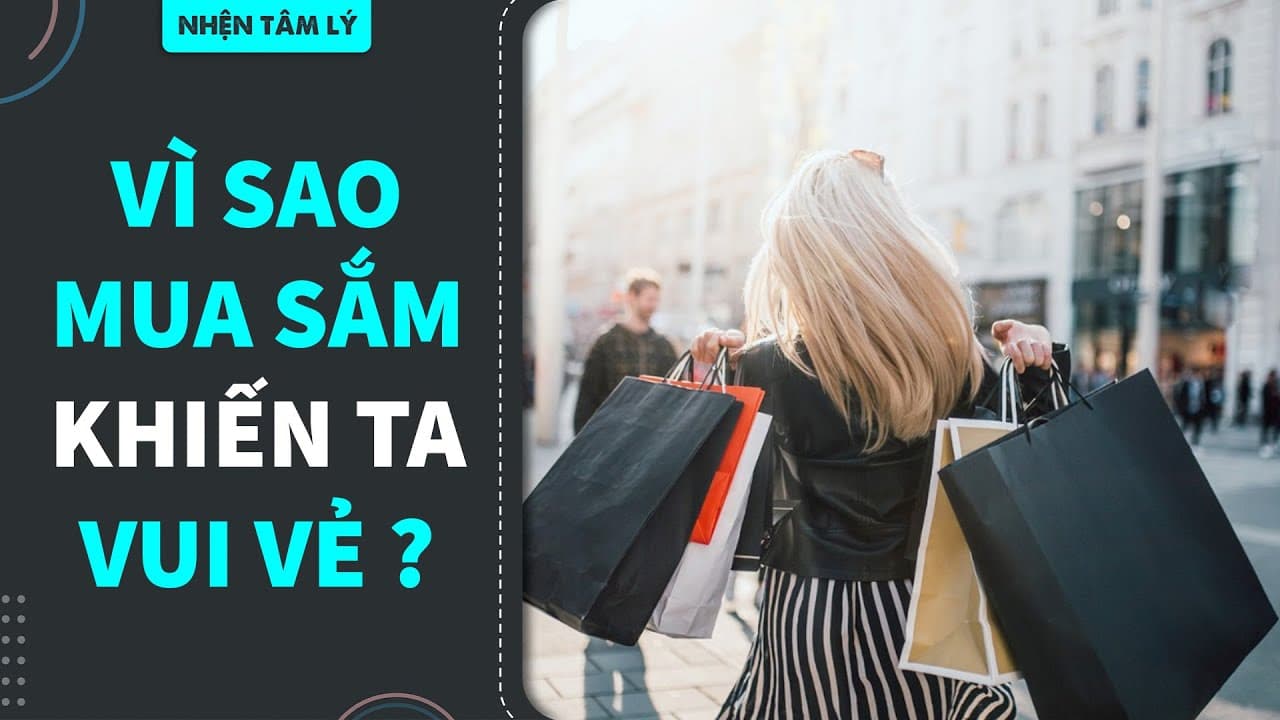
TL;DR
Retail therapy is a prevalent coping mechanism for emotional relief.
Transcript
win or lose we go shopping after the election philippines i was so nervous i just had to go shopping at me retail therapy we've become a nation measuring out of life in shopping bags in nursing our psych ills through retail him tv losses heard about twice as much as gains make you feel good tell kahn man i can't wait much losses loom larger defense... Read More
Key Insights
- Retail therapy refers to the act of shopping to improve one's mood or emotional state, providing temporary relief from stress or anxiety.
- Statistics indicate that approximately 64% of women and 40% of men engage in shopping to feel happier, highlighting its widespread appeal.
- The concept of retail therapy is linked to self-regulation theory, where individuals use shopping as a defense mechanism against negative emotions.
- The psychological impact of shopping is significant, with losses in shopping experiences feeling more intense than the gains, as per Kahneman's research.
- The cultural shift towards measuring life satisfaction through material possessions is evident, with shopping bags becoming symbols of emotional well-being.
- Retail therapy is often seen as a quick fix, providing instant gratification but potentially leading to longer-term financial and emotional challenges.
- The phenomenon is deeply embedded in modern society, with media and marketing reinforcing the idea that shopping equates to happiness.
- Retail therapy is not a sustainable solution for emotional issues, emphasizing the need for healthier coping mechanisms and self-awareness.
Install to Summarize YouTube Videos and Get Transcripts
Explore YouTube Video Summarizer or Get YouTube Transcript Extractor
Questions & Answers
Q: What is retail therapy?
Retail therapy is the act of shopping with the intention of improving one's mood or emotional state. It is a coping mechanism used by individuals to alleviate stress, anxiety, or sadness by purchasing goods, often leading to temporary feelings of happiness or relief.
Q: Why do people engage in retail therapy?
People engage in retail therapy as a way to manage their emotions and seek instant gratification. The act of shopping can provide a temporary distraction from stress or negative feelings, offering a sense of control and personal satisfaction, albeit often short-lived.
Q: What are the statistics on retail therapy participation?
According to the content, approximately 64% of women and 40% of men engage in retail therapy as a means to feel happier. These statistics highlight the widespread appeal of shopping as a method for emotional relief across different demographics.
Q: What psychological theories are associated with retail therapy?
Retail therapy is associated with self-regulation theory, which suggests that individuals use shopping as a defense mechanism to manage negative emotions. This behavior is also linked to Kahneman's research on loss aversion, where the emotional impact of losses is felt more intensely than gains.
Q: How does retail therapy affect individuals emotionally?
While retail therapy can provide temporary emotional relief, it often leads to a cycle of short-lived satisfaction followed by potential regret or guilt. The emotional impact of losses during shopping can be more profound than the joy of gains, making it an ineffective long-term solution for emotional issues.
Q: What cultural shifts are associated with retail therapy?
Retail therapy reflects a cultural shift towards valuing material possessions as indicators of life satisfaction. Shopping bags have become symbols of emotional well-being, and the media often reinforces the idea that purchasing goods equates to happiness, embedding this behavior deeply in modern society.
Q: What are the potential consequences of retail therapy?
The potential consequences of retail therapy include financial strain, increased debt, and emotional challenges such as guilt or regret. While it offers immediate gratification, it is not a sustainable solution for managing deeper psychological issues, emphasizing the need for healthier coping mechanisms.
Q: What alternatives exist to retail therapy for emotional relief?
Alternatives to retail therapy include engaging in physical activities, practicing mindfulness or meditation, seeking support from friends or professionals, and developing hobbies that provide fulfillment. These methods offer healthier, more sustainable ways to manage emotions and improve overall well-being.
Summary & Key Takeaways
-
Retail therapy is a common practice where individuals shop to alleviate stress and improve their emotional state. This behavior is prevalent among both men and women, with a significant percentage admitting to shopping for happiness. The temporary relief it provides highlights its allure despite potential long-term consequences.
-
The psychological underpinnings of retail therapy are linked to self-regulation theory, suggesting that people use shopping as a defense mechanism against negative emotions. The satisfaction derived from shopping is often short-lived, and the emotional impact of losses can outweigh the gains.
-
Retail therapy has become a cultural phenomenon, with society increasingly measuring life satisfaction through material possessions. While it offers temporary emotional relief, it is not a sustainable solution for deeper psychological issues, underscoring the importance of developing healthier coping strategies.
Read in Other Languages (beta)
Share This Summary 📚
Summarize YouTube Videos and Get Video Transcripts with 1-Click
Try YouTube Summary with ChatGPT & Claude or YouTube Transcript Generator
Explore More Summaries from Spiderum 📚






Summarize YouTube Videos and Get Video Transcripts with 1-Click
Try YouTube Summary with ChatGPT & Claude or YouTube Transcript Generator