What Causes the Magical Glow of Bioluminescent Bays?
TL;DR
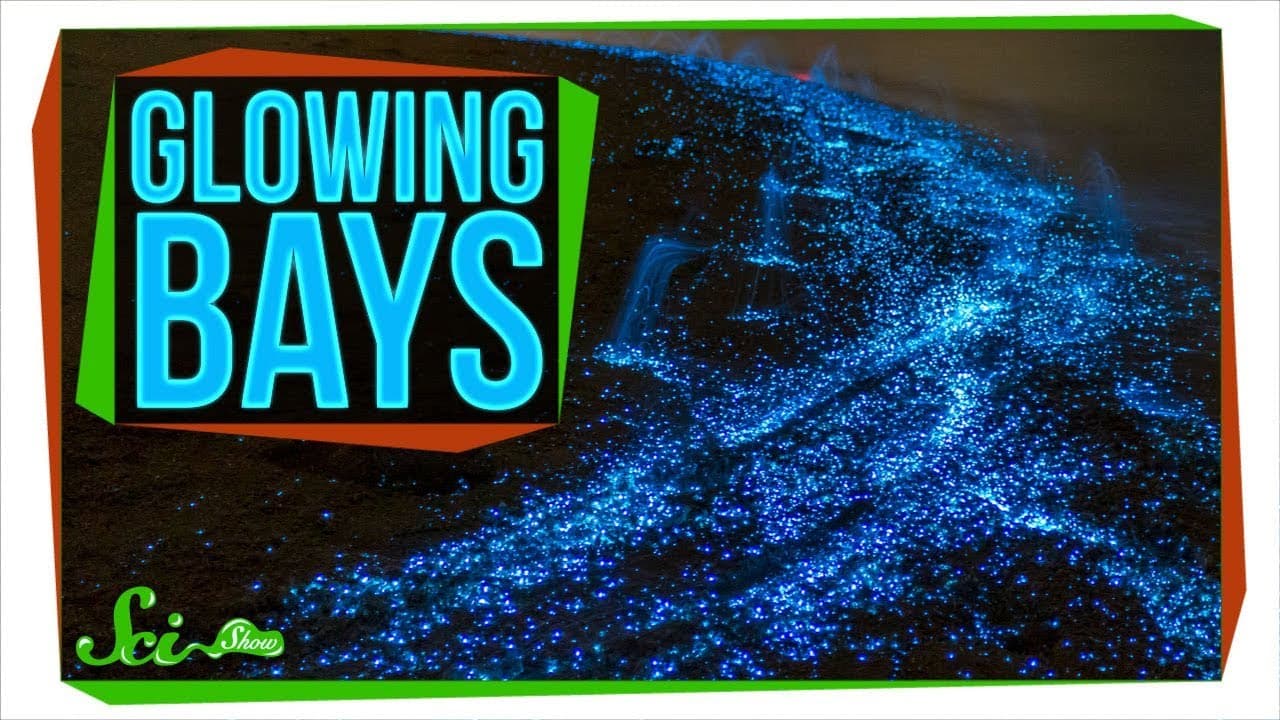
Bioluminescent bays glow due to tiny dinoflagellates emitting blue light as a defense mechanism against predators. These organisms utilize a complex chemical reaction involving luciferase and luciferin. While they create stunning visual displays, some species can be toxic, contributing to the phenomenon of red tides.
Transcript
[ ♪ Intro ] On most beaches, the only light you’ll see in the water at night is the reflection of stars or streetlights. But in a few special places around the world, the ocean lights up at night with countless tiny blue flashes. These bioluminescent bays look pretty magical, but it really all comes down to science. Specifically, this stunning natu... Read More
Key Insights
- 🩵 Bioluminescent dinoflagellates emit blue light as a defense mechanism against predators.
- ❓ The chemical reaction involved in the bioluminescence includes luciferase, luciferin, and scintillons.
- 🛟 Some species of dinoflagellates contain saxitoxin, a neurotoxin harmful to marine life and humans.
- 🧑🏭 Environmental factors like nutrients, salinity, and weather affect the bioluminescent displays of dinoflagellates.
- 🐠 Bioluminescent bays are found in specific tropical areas but are delicate ecosystems requiring precise conditions to thrive.
- 😪 Red tides caused by dinoflagellates can be bioluminescent and toxic to marine life.
- 😋 Dinoflagellates are a crucial food source for marine ecosystems but can also harm fish and humans with their toxins.
Install to Summarize YouTube Videos and Get Transcripts
Explore YouTube Video Summarizer or Get YouTube Transcript Extractor
Questions & Answers
Q: How do dinoflagellates use bioluminescence as a defense mechanism?
Dinoflagellates emit a flash of light when disturbed to startle predators, allowing them to escape, possibly acting as a neon sign for larger predators to target copepods instead.
Q: What compounds and reactions are involved in the bioluminescence of dinoflagellates?
Dinoflagellates utilize luciferase, luciferin, and hydrogen ions to produce a chemical reaction, releasing energy in the form of blue light in specialized scintillons.
Q: Are all bioluminescent dinoflagellates toxic?
No, while some species like Pyrodinium bahamense contain saxitoxin, a deadly neurotoxin, others like the sea sparkle are harmless, showcasing the diversity in these organisms.
Q: How do environmental factors affect the bioluminescent display of dinoflagellates?
Nutrients, salinity, warmth, and human activities influence the thriving of dinoflagellates, impacting the brightness and occurrence of bioluminescent bays.
Summary & Key Takeaways
-
Bioluminescent dinoflagellates, like Noctiluca scintillans, produce blue light, potentially to deter predators.
-
Dinoflagellates use a complex chemical reaction involving luciferase and luciferin to emit light.
-
These organisms can create stunning bioluminescent bays but can also be toxic and contribute to red tides.
Read in Other Languages (beta)
Share This Summary 📚
Summarize YouTube Videos and Get Video Transcripts with 1-Click
Try YouTube Summary with ChatGPT & Claude or YouTube Transcript Generator
Explore More Summaries from SciShow 📚


Summarize YouTube Videos and Get Video Transcripts with 1-Click
Try YouTube Summary with ChatGPT & Claude or YouTube Transcript Generator