What Is Typography and How to Use It in Design?
TL;DR
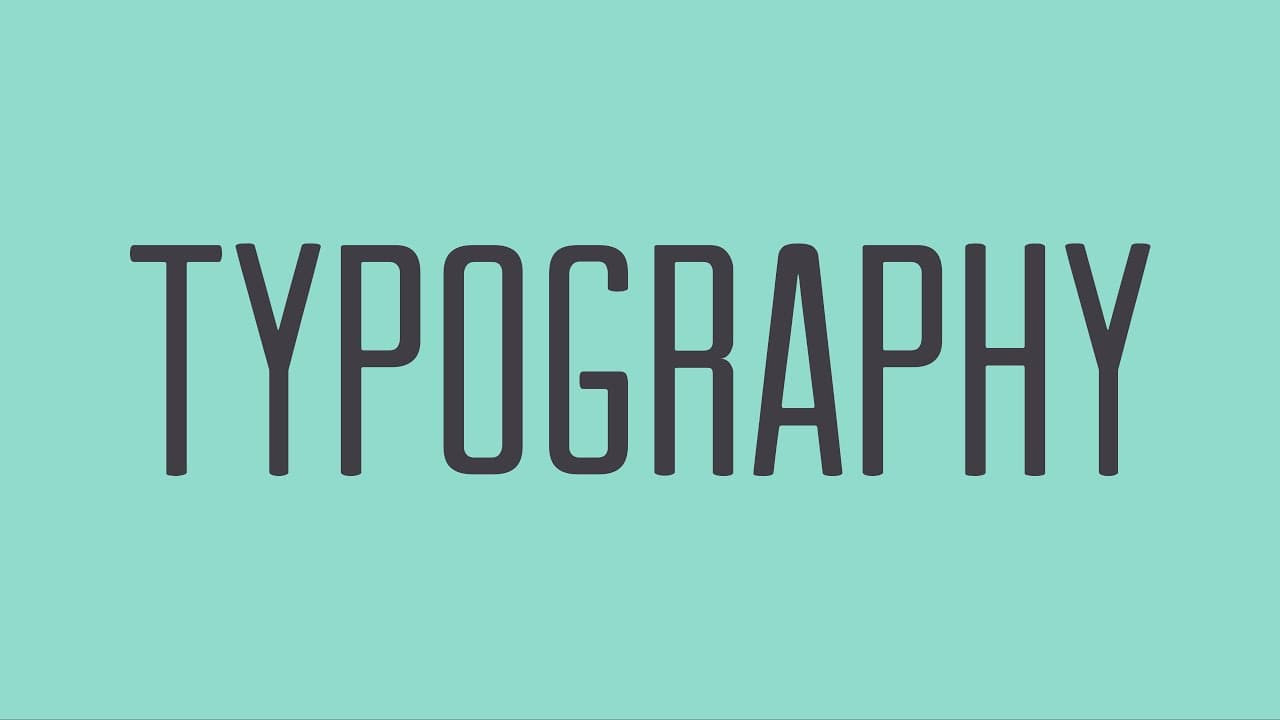
Typography is the art of arranging text to enhance readability and convey messages effectively. It includes understanding various font types, such as serif and sans serif, and employing techniques like hierarchy, leading, tracking, and kerning to create visually appealing designs. Thoughtful font selection can significantly elevate your design projects.
Transcript
Typography. It's everywhere we look. In the books we read, on the websites we visit—even in everyday life, on street signs, bumper stickers, and product packaging. Simply put, typography is the style or appearance of text. It can also refer to the art of working with text—something you probably do all the time if you create documents or other proje... Read More
Key Insights
- 🎨 Typography is present in various aspects of our lives, from books to street signs, and has a significant impact on communication and design.
- 🎅 Serif and sans serif fonts have distinct characteristics and best applications, with sans serif fonts being more suitable for digital screens.
- ❓ Display fonts should be used sparingly and for specific purposes, such as titles and headers.
- ❓ Fonts have their own language and should be chosen thoughtfully to convey the intended message.
- 🎨 Using excessive or outdated fonts can detract from the overall design.
- 🎨 Limiting the number of fonts used in a project and combining different font styles can create visually appealing designs.
- 🥺 Understanding concepts like hierarchy, leading, tracking, and kerning is important for professional-looking designs.
Install to Summarize YouTube Videos and Get Transcripts
Explore YouTube Video Summarizer or Get YouTube Transcript Extractor
Questions & Answers
Q: What is typography and why is it important in design?
Typography refers to the style and appearance of text, and it is crucial in design as it impacts readability, aesthetics, and the overall message and tone of a project.
Q: What are the differences between serif and sans serif fonts?
Serif fonts have small strokes attached to the letters, giving them a classic and traditional look. Sans serif fonts, on the other hand, do not have these strokes and are considered more modern and clean, particularly suitable for digital screens.
Q: What are display fonts used for in design?
Display fonts are decorative and come in various styles, making them ideal for small amounts of text like titles and headers in graphic-heavy designs.
Q: How can I choose and combine fonts effectively?
It's best to limit yourself to one or two fonts per project to maintain consistency. To create contrast, you can repeat one font in different sizes, weights, or styles. Combining different font styles that complement each other can also produce interesting and visually pleasing designs.
Key Insights:
- Typography is present in various aspects of our lives, from books to street signs, and has a significant impact on communication and design.
- Serif and sans serif fonts have distinct characteristics and best applications, with sans serif fonts being more suitable for digital screens.
- Display fonts should be used sparingly and for specific purposes, such as titles and headers.
- Fonts have their own language and should be chosen thoughtfully to convey the intended message.
- Using excessive or outdated fonts can detract from the overall design.
- Limiting the number of fonts used in a project and combining different font styles can create visually appealing designs.
- Understanding concepts like hierarchy, leading, tracking, and kerning is important for professional-looking designs.
- Well-crafted typography can elevate design projects and make them stand out.
Summary & Key Takeaways
-
Typography is the style of text, seen everywhere from books to street signs, and it plays a significant role in design projects.
-
There are different types of fonts, such as serif, sans serif, and display fonts, each with its own characteristics and best uses.
-
Combining fonts, establishing hierarchy, and adjusting spacing through leading, tracking, and kerning are important aspects of typography.
Read in Other Languages (beta)
Share This Summary 📚
Summarize YouTube Videos and Get Video Transcripts with 1-Click
Try YouTube Summary with ChatGPT & Claude or YouTube Transcript Generator
Explore More Summaries from GCFLearnFree 📚
Summarize YouTube Videos and Get Video Transcripts with 1-Click
Try YouTube Summary with ChatGPT & Claude or YouTube Transcript Generator