Davos 2010 - IdeasLab with Young Global Leaders - James Moody
TL;DR
Addressing malnutrition & access to technology through global responsibility licensing.
Transcript
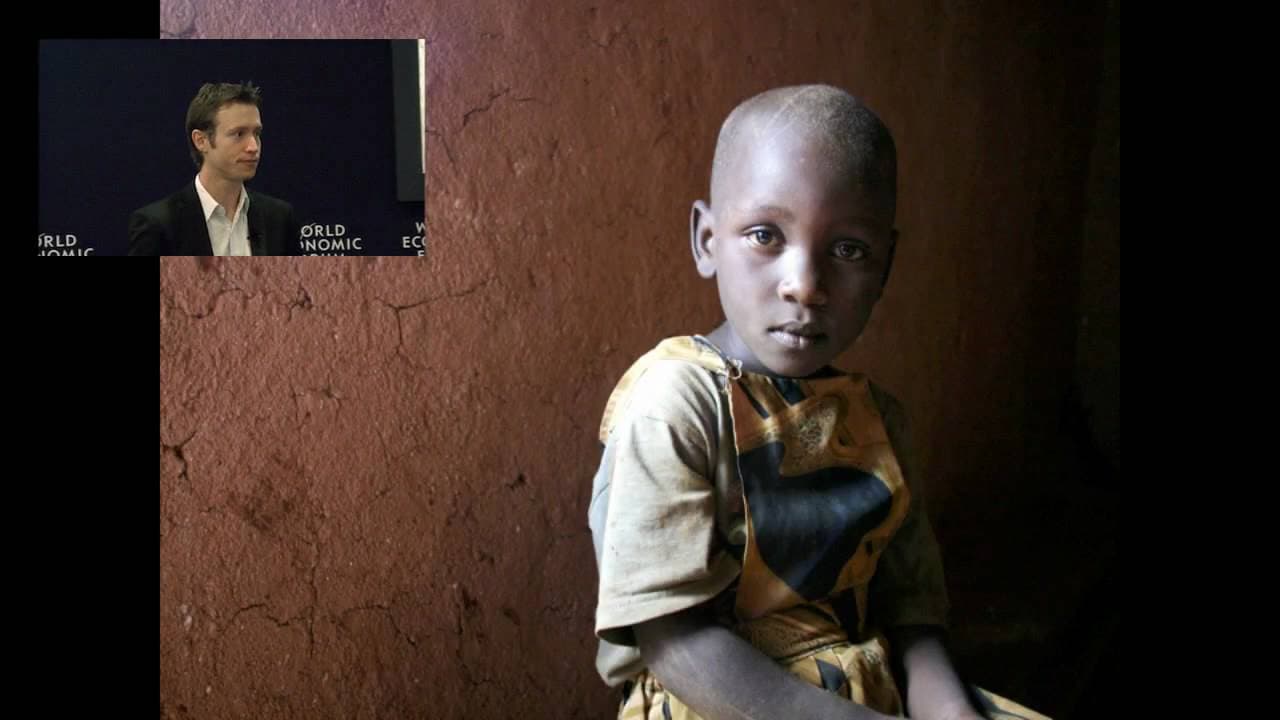
Thank you, thank you very much, Thomas, and good morning everybody. Here we go Look, today I’d like to talk to you all about a pressing challenge. 2009 was the first year in which we saw over one billion people moving to areas of chronic hunger, malnutrition, and poverty. That’s one-sixth of... almost one-sixth the human... of the population which ... Read More
Key Insights
- 👯 Malnutrition and poverty affect over one billion people globally, highlighting the urgent need for innovative solutions.
- 🛀 Existing technologies like the Plumpy Nut project have shown promising results in combating malnutrition in vulnerable populations.
- 👤 Global responsibility licensing offers a framework to unlock patented knowledge for humanitarian users while considering commercial interests.
- 👨💼 Collaboration between stakeholders from diverse sectors like NGOs, businesses, the science community, and the legal sector is crucial in driving the success of initiatives like global responsibility licensing.
- 🌐 Balancing global responsibility with commercial incentives is essential for sustainable innovation that benefits marginalized communities.
- 👾 Addressing the patent space challenges can pave the way for increased access to essential technologies for underserved populations.
- 🥺 Initiatives led by young global leaders, like the Global Responsibility Licensing Initiative, highlight the importance of leveraging collective expertise and resources for positive social impact.
Install to Summarize YouTube Videos and Get Transcripts
Explore YouTube Video Summarizer or Get YouTube Transcript Extractor
Questions & Answers
Q: What is the significance of the Plumpy Nut project in addressing malnutrition?
The Plumpy Nut project, initiated in 2006, significantly increased the reach of malnourished children in areas like the Ethiopian highlands by providing essential nutrients in a nut-based form, showcasing the impact of technology on combating malnutrition.
Q: How does global responsibility licensing aim to bridge the gap between humanitarian needs and commercial interests?
Global responsibility licensing proposes a modular license system that defines terms for humanitarian users, ensuring access to technology for those in need while maintaining the competitiveness of companies in commercial and emerging markets.
Q: What criteria define humanitarian users in the context of global responsibility licensing?
Humanitarian users are characterized by subsistence, development, and disaster recovery needs, with a focus on individuals earning under a dollar a day, presenting a market gap that global responsibility licensing seeks to address.
Q: How are key stakeholders like NGOs, businesses, the science community, and the legal sector involved in the Global Responsibility Licensing initiative?
The initiative collaborates with NGOs, businesses, scientific researchers, and legal experts to establish a balanced approach that benefits humanitarian users while respecting commercial interests, demonstrating a multi-sectoral effort to address global challenges.
Summary & Key Takeaways
-
Over one billion people face chronic hunger, malnutrition, and poverty due to lack of access to science and technology.
-
Existing technologies like Plumpy Nut have the potential to address malnutrition in developing areas.
-
The Global Responsibility Licensing initiative aims to unlock patented knowledge for humanitarian users while balancing commercial needs.
Read in Other Languages (beta)
Share This Summary 📚
Summarize YouTube Videos and Get Video Transcripts with 1-Click
Try YouTube Summary with ChatGPT & Claude or YouTube Transcript Generator
Explore More Summaries from World Economic Forum 📚
Summarize YouTube Videos and Get Video Transcripts with 1-Click
Try YouTube Summary with ChatGPT & Claude or YouTube Transcript Generator