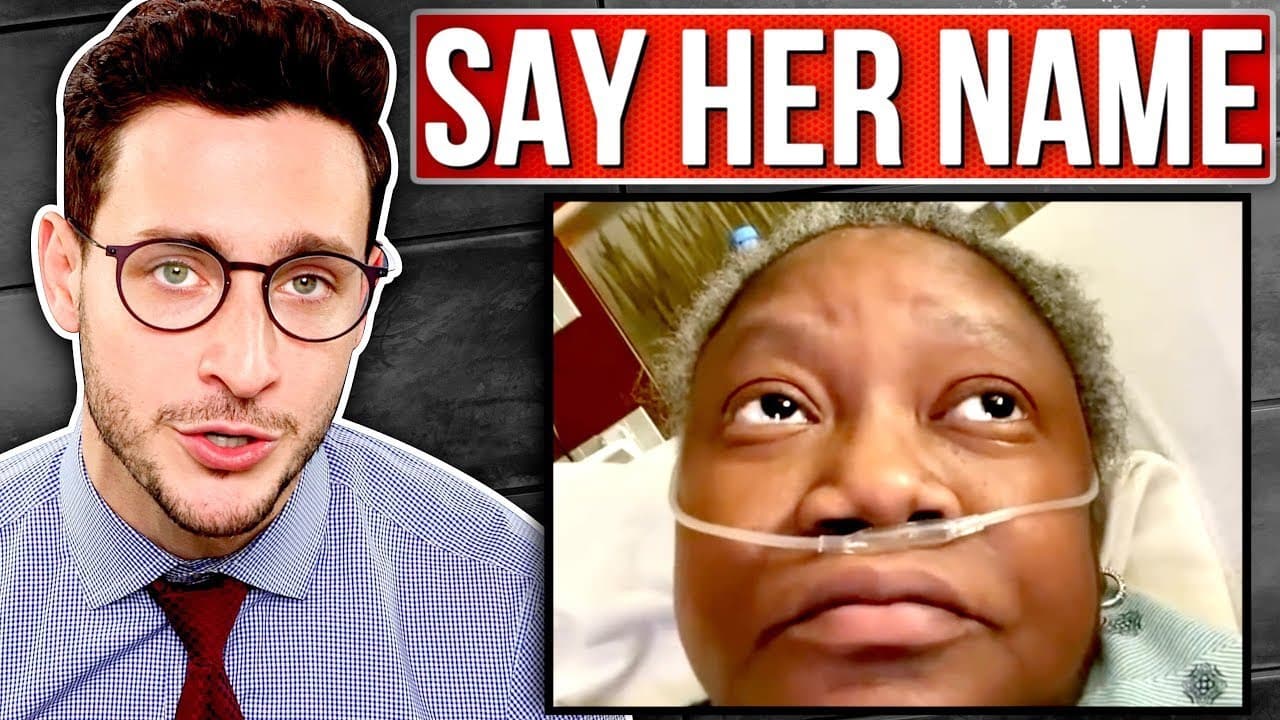
Medical Racism & The Tragedy Of Dr. Susan Moore
TL;DR
A discussion on racism in healthcare and its impact on treatment disparities.
Transcript
(somber piano music) - This is the second worst day here at IU North. (somber music) Yesterday, got a Doctor Bannec, B-A-N-N-E-C, wanted to send me home. "You're not even short of breath." I said, "Yes, I am." (somber music) I was in so much pain from my neck. My neck hurt so bad. (somber music) I was crushed. It made me feel like I was a drug addi... Read More
Key Insights
- 😷 Dr. Moore's experiences exemplify how racial bias can lead to inadequate medical care and tragic results, necessitating thorough discussions on racism in healthcare.
- 🪡 The need for systemic reform is critical; healthcare disparities often stem from broader social determinants affecting marginalized communities.
- 💠 Implicit biases within healthcare providers can inadvertently shape treatment decisions, highlighting the importance of cultural competence training.
- 😷 Patients are encouraged to be proactive in their healthcare by asking questions, seeking clarity, and understanding their rights within the medical system.
- 😷 Diversity should be actively promoted within medical education and healthcare organizations to ensure equitable representation among healthcare providers.
- 💉 Historical injustices have shaped the current landscape of healthcare disparities, where access to care can often depend more on geography than individual health needs.
- 👂 Institutions must listen to and validate patient experiences relating to racism, fostering a culture of accountability and trust.
Install to Summarize YouTube Videos and Get Transcripts
Explore YouTube Video Summarizer or Get YouTube Transcript Extractor
Questions & Answers
Q: Who was Dr. Susan Moore, and why is her case significant?
Dr. Susan Moore was a Black physician whose case highlighted severe treatment disparities in the healthcare system. She claimed her medical concerns were dismissed due to racism, illustrating the urgent need for discussions about racial bias in healthcare and how it can lead to tragic outcomes.
Q: What role does implicit bias play in healthcare delivery?
Implicit bias affects healthcare delivery significantly, leading providers to make assumptions based on a patient’s race. This can result in unequal treatment, such as inadequate pain management or missed diagnoses, showcasing a dire need to educate healthcare professionals on their biases and ensure equitable care for all patients.
Q: How can patients advocate for themselves in healthcare settings?
Patients can advocate for themselves by asking questions and seeking clarity on their treatment plans. They should feel empowered to request a second opinion or a patient advocate if they feel disrespected or mismanaged. Understanding their rights and actively participating in their care is vital for better outcomes.
Q: What are the systemic issues contributing to healthcare disparities?
Systemic issues include socioeconomic factors, normalized food deserts, and educational inequities that create barriers to accessing quality healthcare. Historical redlining and the lingering effects of institutional racism contribute to these disparities, resulting in poorer health outcomes for marginalized communities.
Q: Why is diversity important in the medical field?
Diversity in the medical field is crucial for achieving better patient outcomes. Studies indicate that patients often fare better when treated by clinicians who share their racial or ethnic backgrounds, fostering trust and improving communication, leading to a more equitable healthcare experience.
Q: What solutions can address the problem of racism in healthcare?
Solutions include improving access to medical education for underrepresented minority students, actively working to dismantle systemic inequities, and ensuring continuous training for healthcare professionals on cultural competence and bias. Institutions must commit to transparency and accountability in their healthcare practices.
Q: How should institutions respond to claims of racism in the healthcare system?
Institutions must acknowledge and address claims of racism transparently and empathetically. They should investigate incidents seriously, commit to necessary education and policy changes, and recognize that dismissing such claims only perpetuates systemic issues and diminishes trust in the healthcare system.
Q: What can individuals do to foster better communication within healthcare settings?
Individuals can foster better communication by encouraging open dialogue about health experiences, advocating for themselves and others, and participating in community health initiatives. Building relationships built on trust and understanding can help bridge the gap between healthcare providers and marginalized communities.
Summary & Key Takeaways
-
The conversation reflects on the troubling case of Dr. Susan Moore, who alleged that her treatment was adversely affected by racism, ultimately leading to her death from COVID-19.
-
Experts discuss how systemic racism manifests in healthcare and emphasize the necessity for transparency and accountability in addressing such inequalities.
-
Addressing healthcare disparities requires both individual introspection among providers and systemic changes to ensure equitable access to care for marginalized communities.
Read in Other Languages (beta)
Share This Summary 📚
Summarize YouTube Videos and Get Video Transcripts with 1-Click
Try YouTube Summary with ChatGPT & Claude or YouTube Transcript Generator
Explore More Summaries from Doctor Mike 📚





Summarize YouTube Videos and Get Video Transcripts with 1-Click
Try YouTube Summary with ChatGPT & Claude or YouTube Transcript Generator