Hazards: Geomagnetic Storms
TL;DR
Geomagnetic storms affect technology and are monitored by USGS.
Transcript
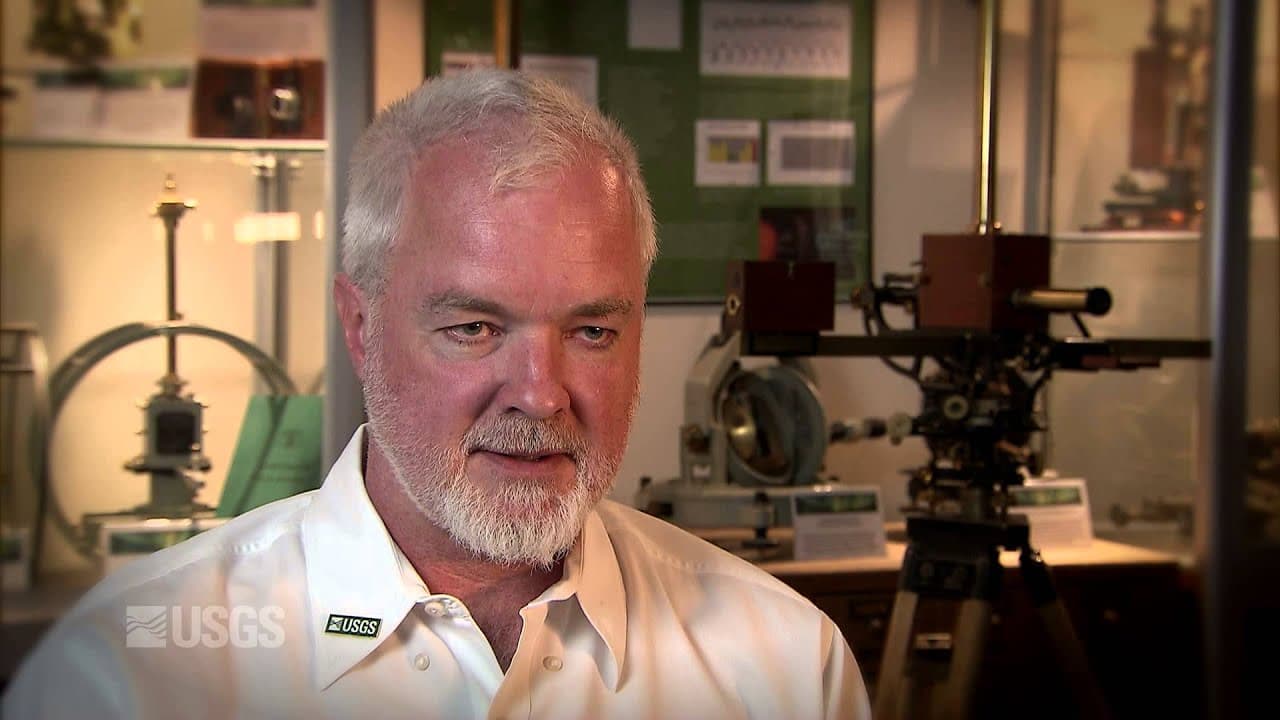
Jeffrey J. Love: During a magnetic storm, we have very beautiful displays of aurora at high latitudes. But there are also hazards that are associated with those magnetic storms. A large magnetic storm can interfere with radio communication, with GPS systems. They can interfere with the operation and orientation of satellites. During a large magneti... Read More
Key Insights
- Geomagnetic storms can disrupt radio communications, GPS systems, and satellite operations, posing challenges to technological infrastructure.
- High altitude pilots and astronauts face increased radiation levels during large geomagnetic storms, affecting aviation and space missions.
- The USGS plays a crucial role in monitoring space weather from the ground through a network of magnetic observatories across the U.S.
- Real-time data from USGS observatories helps industries like oil and gas drilling to accurately perform directional drilling operations.
- Geomagnetic storms can cause power blackouts and operational challenges for electric power grids, necessitating accurate monitoring and mapping.
- The National Space Weather Program coordinates efforts among federal agencies to manage space weather impacts on national security and economy.
- Geomagnetism has historical roots in the discovery of the compass, highlighting the Earth's magnetic field's influence on navigation.
- USGS's new initiatives include real-time data for drilling industries and mapping geomagnetic hazards for the power grid industry.
Install to Summarize YouTube Videos and Get Transcripts
Explore YouTube Video Summarizer or Get YouTube Transcript Extractor
Questions & Answers
Q: What are the main hazards associated with geomagnetic storms?
Geomagnetic storms can disrupt radio communications, GPS systems, and satellite operations. They also pose radiation risks to high altitude pilots and astronauts. Additionally, these storms can cause power blackouts and operational challenges for electric power grids, affecting technological infrastructure.
Q: How does the USGS monitor geomagnetic storms?
The USGS monitors geomagnetic storms through a network of ground-based magnetic observatories across the United States and its territories. These observatories measure the Earth's magnetic field in real-time, providing crucial data to industries and federal agencies to understand and mitigate the impacts of space weather.
Q: Why is real-time data important for the oil and gas drilling industry?
Real-time data is crucial for the oil and gas drilling industry because it helps in accurately performing directional drilling operations. During geomagnetic storms, the Earth's magnetic field direction can change, affecting drilling precision. USGS's real-time data allows for adjustments to ensure accurate drilling and prevent operational mishaps.
Q: What role does the National Space Weather Program play?
The National Space Weather Program coordinates the efforts of various federal agencies to manage the impacts of space weather on national security and the economy. It organizes the work related to monitoring and responding to space weather events, ensuring that different sectors are prepared for the challenges posed by geomagnetic storms.
Q: How does geomagnetism relate to the discovery of the compass?
Geomagnetism is closely related to the discovery of the compass, which relies on the Earth's magnetic field to navigate. The compass is a magnetized needle that orients itself with the magnetic field, allowing for navigation across the world's oceans. This historical connection underscores the importance of understanding Earth's magnetic properties.
Q: What new projects has the USGS undertaken related to geomagnetic storms?
The USGS has initiated two new projects: providing real-time data for the oil and gas drilling industry to improve directional drilling accuracy, and mapping geomagnetic hazards for the electric power grid industry. These projects aim to mitigate operational challenges and hazards associated with geomagnetic storms, enhancing industry resilience.
Q: How do geomagnetic storms affect electric power grids?
Geomagnetic storms can cause power blackouts and operational challenges for electric power grids. The storms induce electric currents on the Earth's surface, potentially damaging transformers and other infrastructure. Accurate monitoring and mapping of geomagnetic activity are essential to mitigate these risks and ensure grid stability.
Q: What is the significance of USGS's ground-based observatories?
USGS's ground-based observatories are significant because they provide critical real-time data on the Earth's magnetic field. This information is essential for understanding the impacts of geomagnetic storms on the Earth's surface and technological systems. The observatories help industries and federal agencies respond effectively to space weather challenges.
Summary & Key Takeaways
-
Geomagnetic storms, caused by solar disturbances, can disrupt technological systems like GPS, satellites, and power grids. The USGS monitors these storms through ground-based observatories, providing crucial data to industries and federal agencies to mitigate impacts.
-
The USGS's role is vital in understanding geomagnetic storms' effects on Earth's surface. Their observatories offer real-time data essential for the oil, gas, and power grid industries, helping them navigate challenges posed by space weather.
-
Space weather, starting from the Sun, affects Earth's magnetic field, causing geomagnetic storms. These storms pose operational challenges, but USGS's monitoring and mapping efforts aim to mitigate these hazards for various technological sectors.
Read in Other Languages (beta)
Share This Summary 📚
Summarize YouTube Videos and Get Video Transcripts with 1-Click
Try YouTube Summary with ChatGPT & Claude or YouTube Transcript Generator
Explore More Summaries from USGS 📚

Summarize YouTube Videos and Get Video Transcripts with 1-Click
Try YouTube Summary with ChatGPT & Claude or YouTube Transcript Generator