Control of Democratic Elections Hinges on Supreme Court
TL;DR
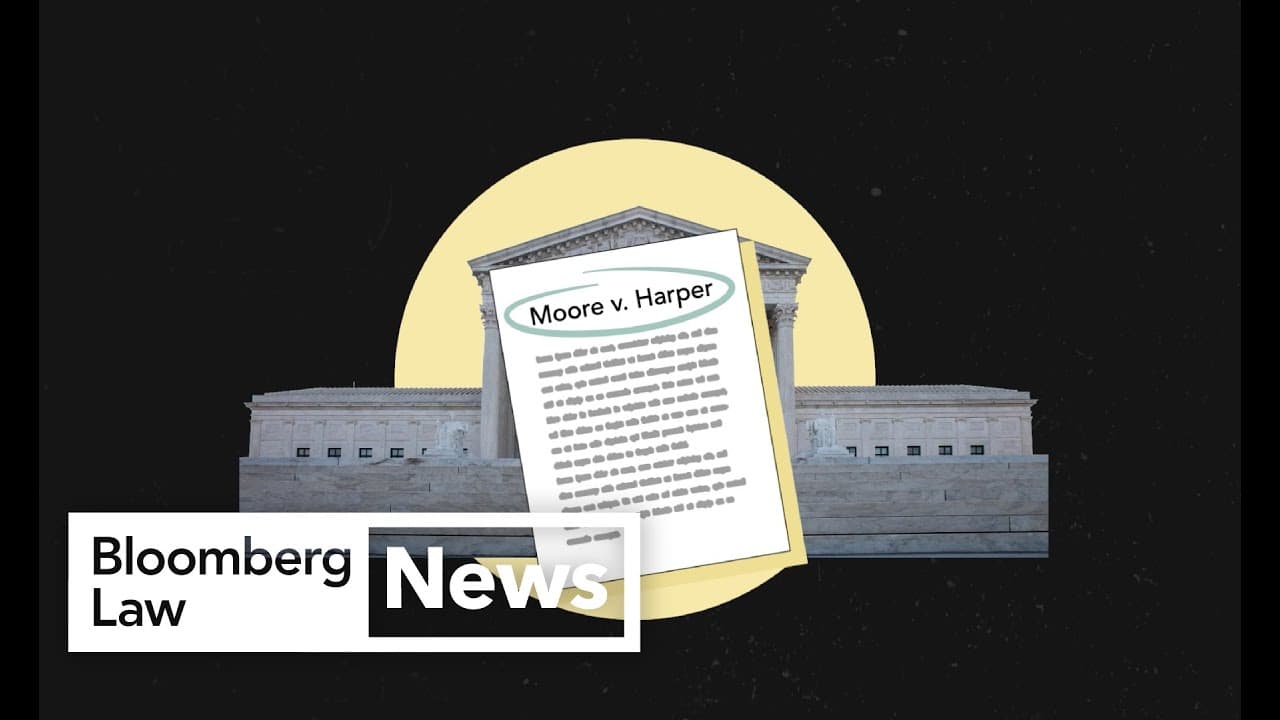
The Moore V Harper case before the Supreme Court could grant state legislatures unlimited authority to set laws governing federal elections, potentially undermining democracy.
Transcript
this elections case out of North Carolina is just huge explain it it's a case that will test whether State legislatures can seize full control of election results at stake is the question of who runs U.S elections and who sets election law there's a case before The Supreme Court that could radically change how Federal elections are run it's based o... Read More
Key Insights
- 👮 The Moore V Harper case questions whether state legislatures should have complete control over federal election laws, potentially undermining checks and balances.
- 😫 The theory of independent state legislatures relies on a strict textual interpretation of the Constitution, which could limit the roles of governors, state courts, and citizens in setting election rules.
- ❓ The Supreme Court has previously rejected the theory, but with a more conservative Court, there are concerns about a shift in interpretation.
- 🥺 Granting state legislatures unlimited authority could lead to the manipulation of elections, further exacerbating gerrymandering and potential attempts to change presidential election results.
- 💼 The case has implications not only for Congressional elections but also for future presidential elections, which could be influenced by rogue state legislatures.
- ✊ The potential consequences include weakening independent redistricting commissions and restricting state election officials' powers during emergencies like pandemics.
- 🍵 Concerns arise regarding the Supreme Court being flooded with election cases historically handled by state courts if state legislatures gain more authority.
Install to Summarize YouTube Videos and Get Transcripts
Explore YouTube Video Summarizer or Get YouTube Transcript Extractor
Questions & Answers
Q: What is the Moore V Harper case about?
The Moore V Harper case involves a challenge to North Carolina's gerrymandered Congressional Maps and the argument that only state legislatures should have control over federal election laws.
Q: Why is the independent state legislature theory significant?
The independent state legislature theory, if accepted, would grant state legislatures unlimited authority to write laws for federal elections, potentially undermining checks and balances in the democratic process.
Q: Where does the independent state legislature theory stem from?
The theory is derived from a textual reading of the Constitution that empowers states to make laws for federal elections, using the term "legislature" to highlight the role of state lawmakers.
Q: What could be the consequences if this theory is upheld?
If the independent state legislature theory is embraced, it could lead to gerrymandered legislatures gaining even more power over elections, potentially allowing them to manipulate electoral processes and outcomes.
Summary & Key Takeaways
-
North Carolina's Republican legislature appealed the North Carolina Supreme Court's decision to strike down gerrymandered Congressional Maps, arguing for the independent state legislature theory.
-
The independent state legislature theory claims that only state legislatures should have the power to set laws for federal elections, potentially giving them unlimited authority in this matter.
-
The Supreme Court has previously rejected this theory, but with a more conservative Court, there are concerns about its potential impact on future elections.
Read in Other Languages (beta)
Share This Summary 📚
Summarize YouTube Videos and Get Video Transcripts with 1-Click
Try YouTube Summary with ChatGPT & Claude or YouTube Transcript Generator
Explore More Summaries from Bloomberg Law 📚




Summarize YouTube Videos and Get Video Transcripts with 1-Click
Try YouTube Summary with ChatGPT & Claude or YouTube Transcript Generator