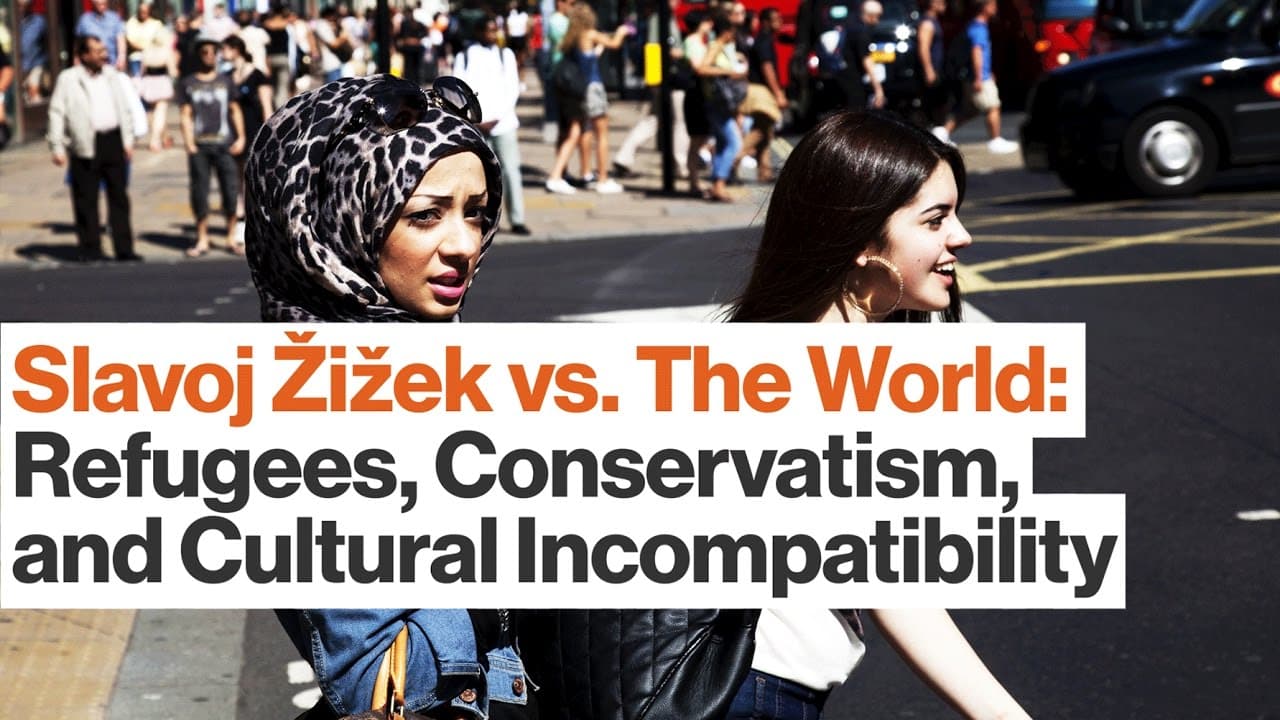
Slavoj Žižek on Refugees, Conservatism, and Cultural Incompatibility | Big Think
TL;DR
Examining the complex geopolitics and ethical dilemmas surrounding the global refugee crisis.
Transcript
We who try to be decent people are bombarded by some kind of moral political pressure from two sides: First there is the worst one, of course, this anti-immigrant populous side like why should we even allow refugees in; it's their fault; third world travel and so on, there are enough poor people here; they come from another civilization; it means c... Read More
Key Insights
- ⛽ Anti-immigrant sentiments and conspiracy theories fuel the discourse around refugees.
- 🖐️ Geopolitical interventions and economic exploitation play a significant role in creating refugee crises.
- 🦻 The refugee crisis is complex and requires a multifaceted approach beyond just humanitarian aid.
- 🤗 There is a need for open discussions about cultural differences and societal norms when accommodating refugees.
- 🌐 The analysis emphasizes the importance of addressing the refugee crisis within broader global economic and ideological contexts for effective solutions.
- 🤩 Geopolitical power struggles and class divisions are key factors contributing to the refugee crisis.
- 💀 The content highlights the dangers of ignoring the complexities of the refugee crisis and the risk of playing into anti-immigrant populist narratives.
Install to Summarize YouTube Videos and Get Transcripts
Explore YouTube Video Summarizer or Get YouTube Transcript Extractor
Questions & Answers
Q: What are the main moral and political pressures surrounding the acceptance of refugees?
The content discusses how individuals are bombarded by anti-immigrant sentiments, conspiracy theories, and humanitarian dilemmas when it comes to refugees.
Q: How are conspiracy theories and anti-Semitism intertwined in the context of the refugee crisis?
The analysis points out how radical right-wing circles propagate conspiracy theories linking George Soros, Muslims, and Jews as part of an orchestrated plan to destabilize Europe.
Q: What geopolitical factors have contributed to the refugee crisis?
The content highlights the role of Western interventions, geopolitical conflicts, economic neocolonialism, and corporate exploitation in creating the conditions that force people to become refugees.
Q: How does the narrative challenge the traditional perception of the refugee crisis as solely a humanitarian issue?
The analysis argues that viewing the refugee crisis purely through a humanitarian lens neglects the deeper geopolitical and economic responsibilities that Western nations hold in creating the crisis.
Summary & Key Takeaways
-
The content highlights the moral and political pressures faced regarding the acceptance of refugees and the anti-immigrant sentiments.
-
It delves into conspiracy theories, anti-Semitism, and the geopolitical factors leading to the refugee crisis.
-
The analysis emphasizes the need to address the refugee crisis within a broader global economic and ideological context.
Read in Other Languages (beta)
Share This Summary 📚
Summarize YouTube Videos and Get Video Transcripts with 1-Click
Try YouTube Summary with ChatGPT & Claude or YouTube Transcript Generator
Explore More Summaries from Big Think 📚


Summarize YouTube Videos and Get Video Transcripts with 1-Click
Try YouTube Summary with ChatGPT & Claude or YouTube Transcript Generator