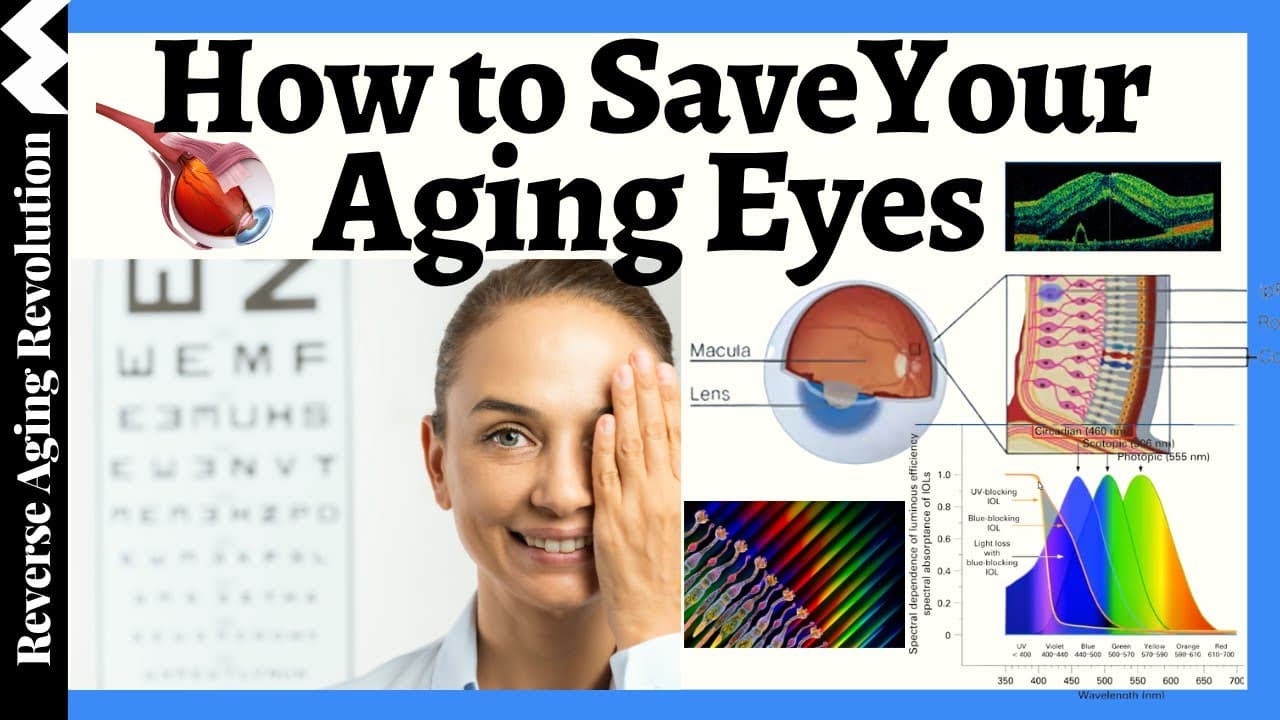
HOW to RESCUE YOUR AGING EYES – Surprising Science from an Eye Doctor!!!
TL;DR
Eyes reveal body health; protect them with sunlight and tests.
Transcript
Really the message I want to get across here is that the eye is really a microcosm of the entire body. And so we have the ability to look at various different systems and get insight into other parts of the body through the eye. So not just looking at the eye for eye disease but looking at the eye for um general health. And you know, I sort of crea... Read More
Key Insights
- The eye is a microcosm of the entire body, reflecting the health of various systems like the neurologic and cardiovascular systems.
- Circadian rhythm is crucial for overall well-being, and proper exposure to natural light, especially blue light in the morning, helps synchronize it.
- Myopia, or nearsightedness, is on the rise due to insufficient outdoor activity, and violet light exposure can help prevent its progression.
- Presbyopia, the need for reading glasses with age, is linked to the lens's reduced flexibility, which is exacerbated by indoor activities and dry eyes.
- Cataracts are common with aging, but the choice of lens during surgery, such as avoiding blue-blocking lenses, can impact circadian rhythm entrainment.
- Glaucoma is a neurodegenerative disease that can be detected early through advanced tests like visual evoked potentials and retinal blood flow scans.
- Nutritional deficiencies, particularly vitamin B12, can mimic glaucoma-like nerve damage, highlighting the importance of a balanced diet.
- Emerging treatments like selective laser trabeculoplasty (SLT) show promise in reversing early glaucoma damage with an 80% success rate.
Install to Summarize YouTube Videos and Get Transcripts
Explore YouTube Video Summarizer or Get YouTube Transcript Extractor
Questions & Answers
Q: How does the eye reflect overall body health?
The eye is a microcosm of the body, providing insights into various systems such as the neurologic and cardiovascular systems. By examining the eye, doctors can detect early signs of diseases like Alzheimer's, heart disease, and diabetes, making it a valuable tool for assessing overall health.
Q: Why is circadian rhythm important for eye health?
Circadian rhythm is crucial for overall well-being, and its desynchronization can lead to sleep disturbances, irritability, and health issues like elevated triglycerides and cholesterol. Proper exposure to natural light, especially blue light in the morning, helps synchronize the circadian rhythm, benefiting eye and general health.
Q: How can myopia be prevented in children?
Myopia prevention involves ensuring children spend adequate time outdoors, as outdoor activity and exposure to natural light, particularly violet light, have been shown to significantly reduce myopia progression. Encouraging outdoor play and minimizing prolonged indoor activities can help prevent myopia in children.
Q: What is the impact of cataract surgery on circadian rhythm?
Cataract surgery can restore much of a person's visual ability, but the choice of lens is crucial. Blue-blocking lenses can hinder circadian rhythm entrainment, making it difficult for individuals to synchronize their circadian rhythm. Therefore, selecting the appropriate lens is important for maintaining circadian health.
Q: What role does nutrition play in eye health?
Nutrition plays a significant role in eye health, with deficiencies like vitamin B12 potentially leading to nerve damage that mimics glaucoma. A balanced diet rich in essential nutrients can help prevent eye-related diseases, emphasizing the importance of maintaining good nutrition for overall eye health.
Q: How can glaucoma be detected early?
Glaucoma can be detected early through advanced tests like visual evoked potentials and retinal blood flow scans. These objective tests can identify functional changes in the optic nerve before structural damage occurs, allowing for earlier intervention and better management of the disease.
Q: What are the benefits of selective laser trabeculoplasty (SLT) for glaucoma?
Selective laser trabeculoplasty (SLT) is a promising treatment for early glaucoma, offering an 80% success rate in reversing early damage. Unlike traditional eye drops, SLT is a regenerative treatment that stimulates a cytokine cascade, providing neuroprotective benefits and reducing disease progression.
Q: How does sunlight exposure benefit eye health?
Sunlight exposure, particularly in the morning, is beneficial for eye health as it helps synchronize the circadian rhythm and provides exposure to essential wavelengths like blue and violet light. These wavelengths are important for preventing myopia and maintaining overall eye health, making regular outdoor activity crucial.
Summary & Key Takeaways
-
The eye is a reflection of the body's health, offering insights into various systems like the neurologic and cardiovascular systems. Proper eye care, including exposure to natural light, is essential for maintaining overall health.
-
Circadian rhythm synchronization is vital for well-being, and exposure to blue light in the morning can help align it. Myopia prevention involves outdoor activities and violet light exposure.
-
Early detection of eye-related diseases, such as glaucoma, is possible through advanced tests. Nutritional deficiencies like vitamin B12 deficiency can mimic eye diseases, emphasizing the importance of a balanced diet.
Read in Other Languages (beta)
Share This Summary 📚
Summarize YouTube Videos and Get Video Transcripts with 1-Click
Try YouTube Summary with ChatGPT & Claude or YouTube Transcript Generator
Explore More Summaries from Reverse Aging Revolution 📚
Summarize YouTube Videos and Get Video Transcripts with 1-Click
Try YouTube Summary with ChatGPT & Claude or YouTube Transcript Generator