The Myth of the Tortured Artist
TL;DR
The link between creativity and mental illness is explored, debunking the myth of the tortured artist.
Transcript
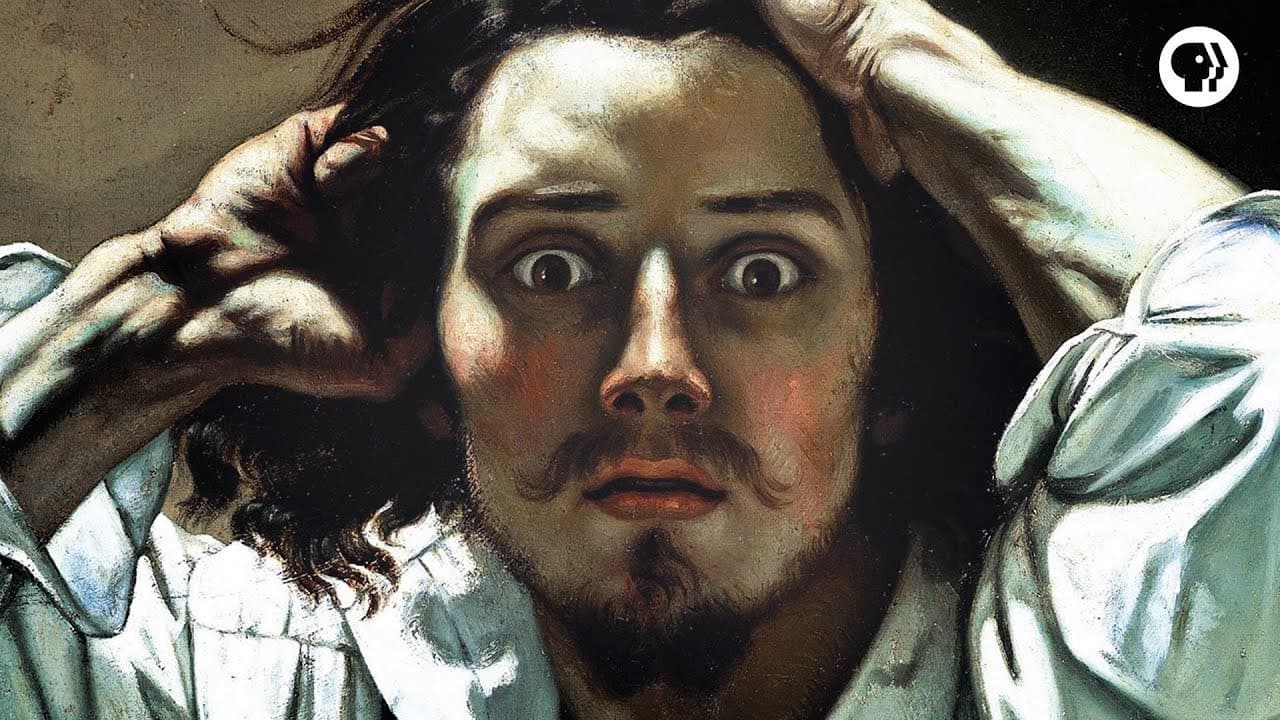
The myth of the tortured artist is strong. The depressive poet, the irascible painter, the manic, substance-abusing writer. Hannah Gadsby brings this up at her Netflix special, "Nanette". And that's right, I'm not done talking about it yet. It's super rare that art history gets mentioned in the wider world, and I have to maximize this opportunity.... Read More
Key Insights
- 🧑🎨 The myth of the tortured artist romanticizes mental illness in creative professions but can be destructive and dangerous.
- 🙂 Studies show a slight correlation between bipolar disorder and creative professions but emphasize that mental illness does not guarantee creativity.
- 💅 Kay Redfield Jamison's research highlights the complex relationship between mental illness and creativity, with manic episodes potentially boosting creative output.
- 🛩️ Anecdotal evidence and small sample sizes in studies on mental illness and creativity call for cautious interpretations of findings.
- 🧑🎨 Not all artists with successful careers are plagued by mental illness, challenging the stereotype of the tortured artist.
- 🏑 The definition of creativity is subjective and can be found in various professions, not just traditional artistic fields.
- 🥡 Mental illness should be taken seriously, and individuals experiencing it should seek help from qualified professionals.
Install to Summarize YouTube Videos and Get Transcripts
Explore YouTube Video Summarizer or Get YouTube Transcript Extractor
Questions & Answers
Q: What is the myth of the tortured artist, and why is it harmful?
The myth suggests that mental illness is a key to genius, which can be destructive and dangerous, leading to romanticizing illness in the lives of artists.
Q: What did the Karolinska Institutet study reveal about mental illness in creative professions?
The study found that people in creative professions are slightly more likely to suffer from bipolar disorder, challenging the notion of a direct link between mental illness and creativity.
Q: How did Edgar Allan Poe’s behaviors hint at symptoms of bipolar disorder?
Poe's extreme shifts in mood and energy, as described in his letters and writing, resemble symptoms of bipolar disorder, contributing to his reputation as a tortured artist.
Q: How does Kay Redfield Jamison explain the relationship between mental illness and creativity?
Jamison suggests that some mental illnesses can enhance creativity during manic episodes but can lead to incoherent work and life-threatening depression.
Summary & Key Takeaways
-
Hannah Gadsby addresses the myth of the tortured artist, highlighting the destructive nature of romanticizing mental illness in artists' lives.
-
Studies show that people in creative professions are not more likely to suffer from psychiatric disorders but may have a slightly higher risk of bipolar disorder.
-
Clinical psychologist Kay Redfield Jamison discusses how some aspects of mental illness can boost creativity but can also lead to severe depression.
Read in Other Languages (beta)
Share This Summary 📚
Summarize YouTube Videos and Get Video Transcripts with 1-Click
Try YouTube Summary with ChatGPT & Claude or YouTube Transcript Generator
Explore More Summaries from The Art Assignment 📚
Summarize YouTube Videos and Get Video Transcripts with 1-Click
Try YouTube Summary with ChatGPT & Claude or YouTube Transcript Generator