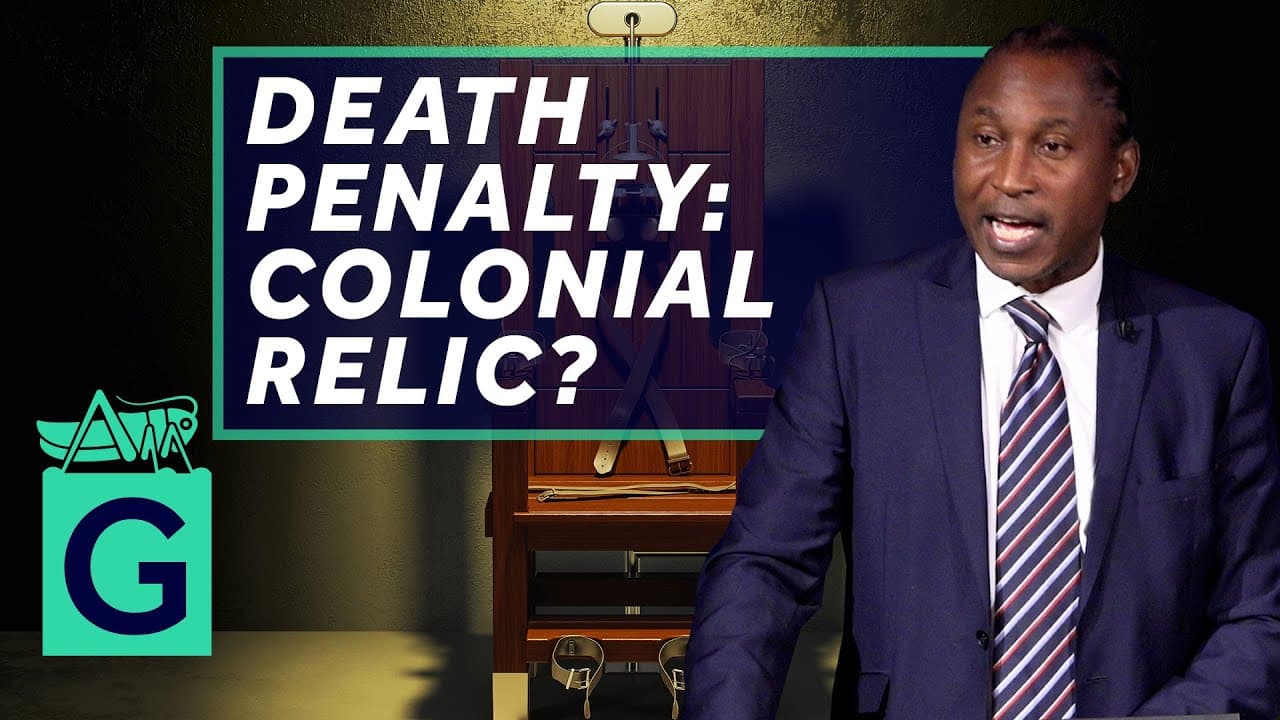
The Death Penalty: A Colonial Relic? - Leslie Thomas KC
TL;DR
Death penalty in the Commonwealth Caribbean, rooted in colonial history, faces constitutional scrutiny and moral challenges.
Transcript
he deserved death deserve it I dare dare say he does many that live deserve death and some that die deserve life can you give it to them then don't be too eager to deal out death in judgment for even the very wise cannot see all end JRR tolin in a world RI with inequality violence and the struggle for justice one question looms large why should the... Read More
Key Insights
- 😀 The death penalty in the Commonwealth Caribbean is a contentious issue rooted in colonial history and faces challenges in constitutional litigation.
- 👨⚖️ Arguments for the death penalty include deterrence, justice, and cultural autonomy, while concerns revolve around systemic bias, delayed executions, and ethical considerations.
- 🤨 Colonial influence, cultural values, and public perception shape the debate on the death penalty in the Caribbean, raising questions about justice, human rights, and societal norms.
- 🗯️ Constitutional litigation has reshaped the discourse on the death penalty, addressing issues like mandatory sentencing, delays in execution, and the role of international human rights bodies.
- 🖤 Ethical considerations surrounding the death penalty in the Caribbean focus on wrongful convictions, legal infrastructure deficiencies, and the lack of rehabilitation opportunities for offenders.
Install to Summarize YouTube Videos and Get Transcripts
Explore YouTube Video Summarizer or Get YouTube Transcript Extractor
Questions & Answers
Q: How does the colonial legacy influence the practice of the death penalty in the Commonwealth Caribbean?
The death penalty in the Commonwealth Caribbean is deeply rooted in British colonial history, serving as a tool of control over colonial subjects before and after slavery abolition. The method of execution, hanging, reflects the British influence and racialized control.
Q: What are the key arguments for the death penalty in the Caribbean, and how do they compare to the challenges it faces?
Proponents of the death penalty argue for its effectiveness as a deterrent, a form of justice, and a reflection of cultural autonomy. However, challenges such as systemic bias, delayed executions, and ethical concerns counter these arguments.
Q: How has constitutional litigation shaped the debate on the death penalty in the Commonwealth Caribbean?
Constitutional challenges have highlighted issues like mandatory death penalty, delays in execution, and the role of saving clauses in protecting the practice. The evolving jurisprudence reflects the tension between legal traditions and human rights standards.
Q: What ethical dilemmas arise from the use of the death penalty in the Commonwealth Caribbean?
The risk of wrongful convictions, lack of adequate legal infrastructure, and the absence of considerations for mitigating circumstances pose ethical dilemmas. The death penalty's irreversible nature and potential for systemic injustice raise concerns about its moral justification.
Summary & Key Takeaways
-
The death penalty in the Commonwealth Caribbean, inherited from British colonial rule, raises ethical concerns and faces constitutional litigation.
-
History shows the death penalty's brutal origins in colonial control and its implications on justice and human rights.
-
Arguments for and against the death penalty reflect complex cultural, political, and legal issues in the Caribbean region.
Read in Other Languages (beta)
Share This Summary 📚
Summarize YouTube Videos and Get Video Transcripts with 1-Click
Try YouTube Summary with ChatGPT & Claude or YouTube Transcript Generator
Explore More Summaries from Gresham College 📚


Summarize YouTube Videos and Get Video Transcripts with 1-Click
Try YouTube Summary with ChatGPT & Claude or YouTube Transcript Generator