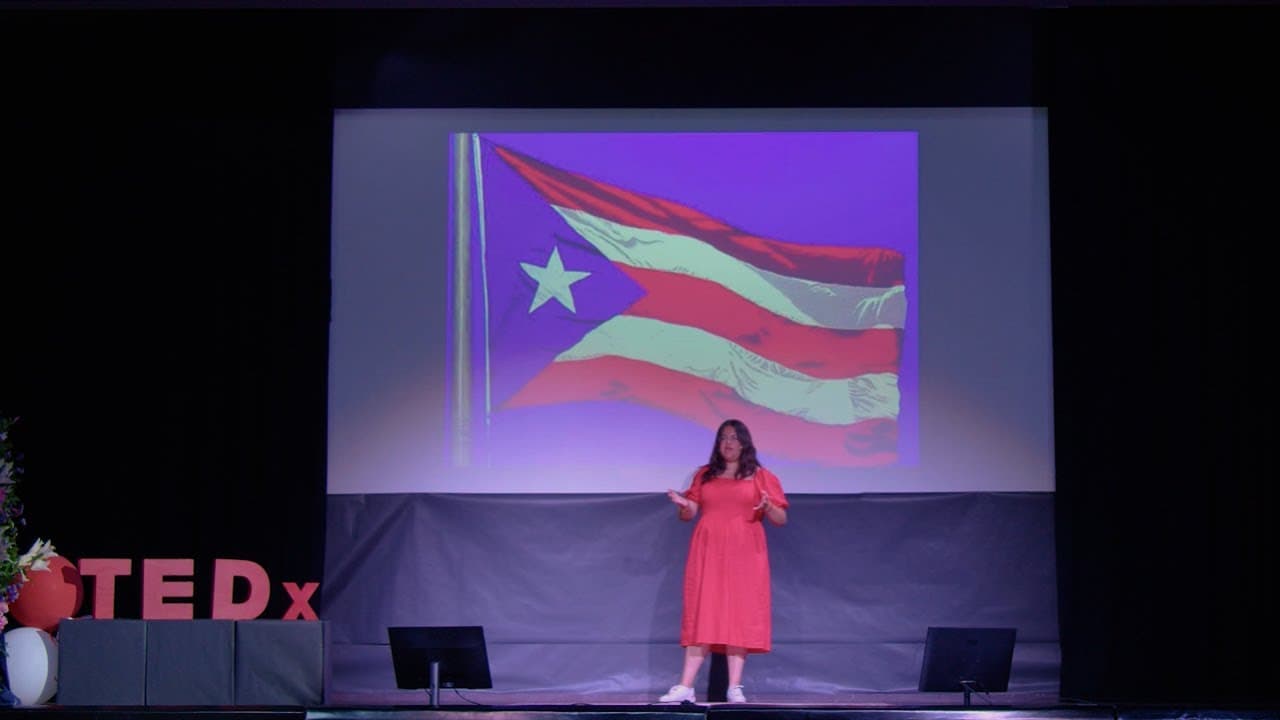
Black Doll | Olvido Chaudon | TEDxYouth@ASBarcelona
TL;DR
Latin American societies struggle with internalized racism, favoring whiteness and perpetuating harmful beauty standards.
Transcript
growing up I thought I was ugly as a young girl I believed that only blonde people were pretty in fact when I was asked to represent my family and I I drew myself as blonde with bright blue eyes which clearly I don't have it turns out my insecurities and belief in the superiority of Aryan features is unfortunately not something relegated with Nazi ... Read More
Key Insights
- 🤍 Historical colonialism in Latin America shaped beauty ideals and perpetuated discrimination against non-white populations.
- 💅 Media representation in Latin America reinforces harmful beauty standards favoring whiteness and perpetuates self-loathing among individuals with darker features.
- 🥺 Discriminatory practices, such as the caste system in Mexico, have led to internalized racism and colorism within Latin American societies.
- ◼️ Lack of representation of diverse ethnic backgrounds in media contributes to the perpetuation of harmful stereotypes and beauty standards.
- 💅 Progress towards inclusivity and acceptance of diverse beauty standards in Latin America requires a deliberate and collective effort to address ingrained biases and promote cultural diversity.
- 🧑🎨 Celebrating artists and individuals from diverse backgrounds can help combat internalized racism and promote a more inclusive society.
- 🌎 Embracing and celebrating mixed heritage in Latin America is crucial to challenging the long-lasting impacts of colonialism and promoting diversity.
Install to Summarize YouTube Videos and Get Transcripts
Explore YouTube Video Summarizer or Get YouTube Transcript Extractor
Questions & Answers
Q: How did colonialism impact beauty standards in Latin America?
Colonialism in Latin America imposed a caste system that favored European features, leading to discrimination against indigenous and black populations and a preference for whiteness.
Q: How does media portrayal perpetuate harmful beauty standards in Latin America?
Media in Latin America often features white protagonists and promotes Eurocentric beauty ideals, reinforcing the notion that whiteness is superior and leading to self-loathing among those with darker complexions.
Q: What are some examples of discrimination faced by non-white individuals in Latin America?
Talented individuals like gymnast Alexa Moreno and actress Yalitza Aparicio faced criticism in Mexico for not fitting the white beauty standards, highlighting the pervasive discrimination against non-white individuals in the country.
Q: How can Latin American societies address and combat internalized racism and colorism?
By promoting cultural diversity, celebrating mixed heritage, and demanding representation in media and entertainment, Latin American societies can work towards dismantling harmful beauty standards and promoting inclusivity.
Summary & Key Takeaways
-
Latin American children show a preference for white features, influenced by historical colonialism and media portrayal.
-
Discrimination and colorism in Mexico stem from a centuries-old caste system and cultural assimilation.
-
Lack of representation in media perpetuates harmful standards, leading to self-loathing and internalized racism.
Read in Other Languages (beta)
Share This Summary 📚
Summarize YouTube Videos and Get Video Transcripts with 1-Click
Try YouTube Summary with ChatGPT & Claude or YouTube Transcript Generator
Explore More Summaries from TEDx Talks 📚





Summarize YouTube Videos and Get Video Transcripts with 1-Click
Try YouTube Summary with ChatGPT & Claude or YouTube Transcript Generator