What Evidence Exists for God and Islam's Truth?
TL;DR
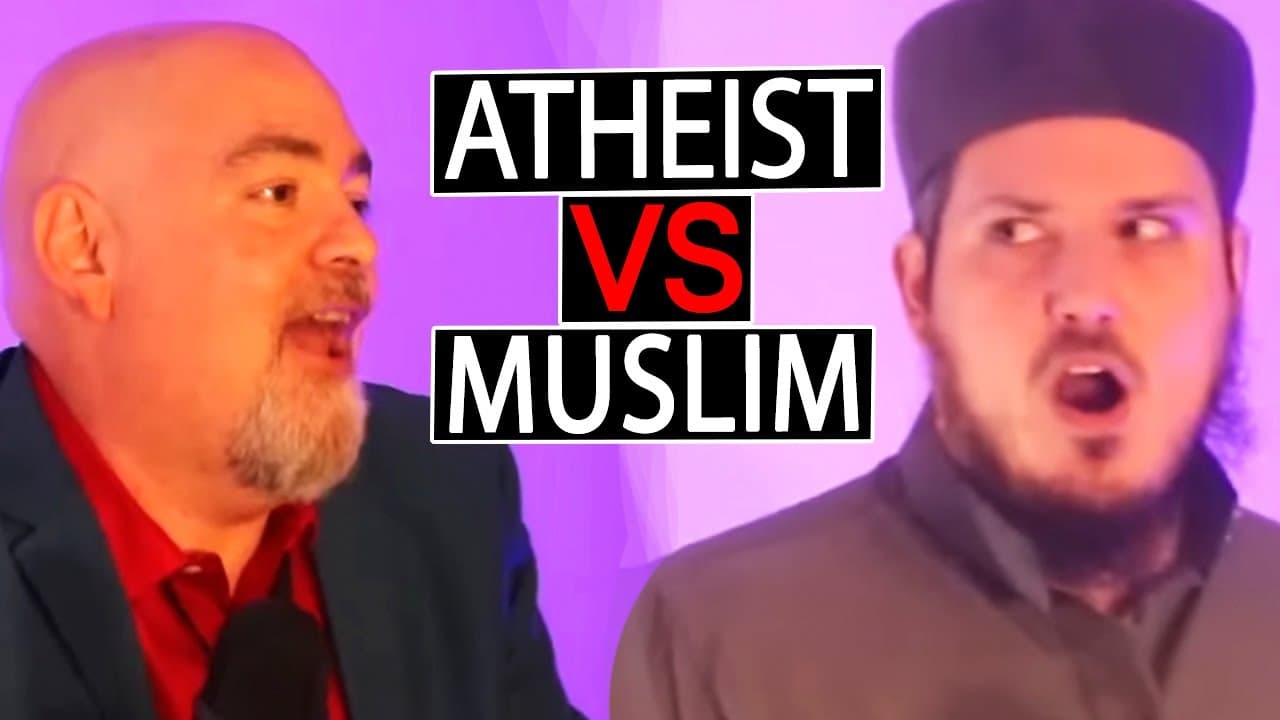
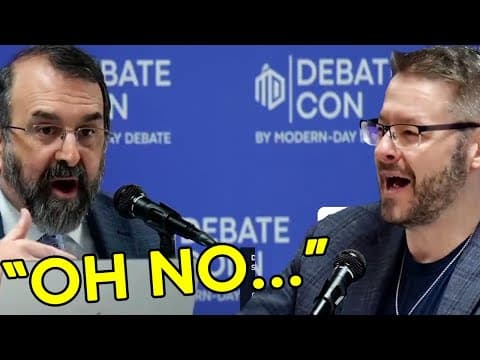
This debate explores the existence of God through objective verifiable evidence and how it compares to personal intuitions about divinity. Matt emphasizes that evidence must demonstrate specific claims about God, while Daniel argues that widespread existential intuitions across cultures should be considered legitimate evidence. Both speakers challenge each other's epistemological standards throughout their discourse.
Transcript
at his we'll talk but folks thanks for being here the way this debate is going to work is this is going to be longer than usual it's going to have three different sections so in particular we're going to have one hour that focuses on the evidence for God then one hour on the evidence for Islam and then one hour on ethics and More in particular on s... Read More
Key Insights
- ❓ The debate focuses on evidence for God and the epistemology surrounding it.
- ❓ Matt emphasizes the importance of objective verifiable evidence that is consistent with a specific God concept and excludes other competing hypotheses.
- ⚾ Daniel challenges the standard of scientific evidence and argues that intuitions, particularly about God, should be considered evidence based on their universality among different cultures.
Install to Summarize YouTube Videos and Get Transcripts
Explore YouTube Video Summarizer or Get YouTube Transcript Extractor
Questions & Answers
Q: What is Matt's stance on evidence for God?
Matt argues that evidence for God should be based on objective verifiable facts that are consistent with a specific God concept and exclude other competing hypotheses.
Q: How does Daniel define evidence for God?
Daniel considers intuitions about God, such as the belief in a creator or an afterlife, to be evidence based on their universality among different cultures and religions.
Q: What is the main difference between Matt and Daniel's views on evidence?
Matt emphasizes the need for objective verifiable evidence, while Daniel argues that intuitions can serve as evidence, particularly in the context of universal human intuitions about God.
Q: How does Matt address the role of intuition in determining truth?
Matt acknowledges the importance of intuition but argues that it needs to be demonstrated to be consistent, reliable, and exclusive to a specific God concept in order to be considered evidence.
Key Insights:
- The debate focuses on evidence for God and the epistemology surrounding it.
- Matt emphasizes the importance of objective verifiable evidence that is consistent with a specific God concept and excludes other competing hypotheses.
- Daniel challenges the standard of scientific evidence and argues that intuitions, particularly about God, should be considered evidence based on their universality among different cultures.
- The debate highlights the need for a thorough understanding of epistemology and the standards of evidence when discussing the existence of God.
Summary & Key Takeaways
-
The debate is divided into three parts: evidence for God, evidence for Islam, and ethics.
-
Matt argues that evidence for God should be based on objective verifiable facts, rather than subjective intuitions or beliefs.
-
Daniel challenges the standard of scientific evidence, and argues that intuitions, particularly about God, should be considered evidence based on their universality.
Read in Other Languages (beta)
Share This Summary 📚
Summarize YouTube Videos and Get Video Transcripts with 1-Click
Try YouTube Summary with ChatGPT & Claude or YouTube Transcript Generator
Explore More Summaries from Modern-Day Debate 📚

Summarize YouTube Videos and Get Video Transcripts with 1-Click
Try YouTube Summary with ChatGPT & Claude or YouTube Transcript Generator