Robert Muggah: How to protect fast-growing cities from failing
TL;DR
In this content, the speaker discusses the possibility of reducing violent deaths by 50% in the next three decades by focusing on cities, especially the most fragile ones.
Transcript
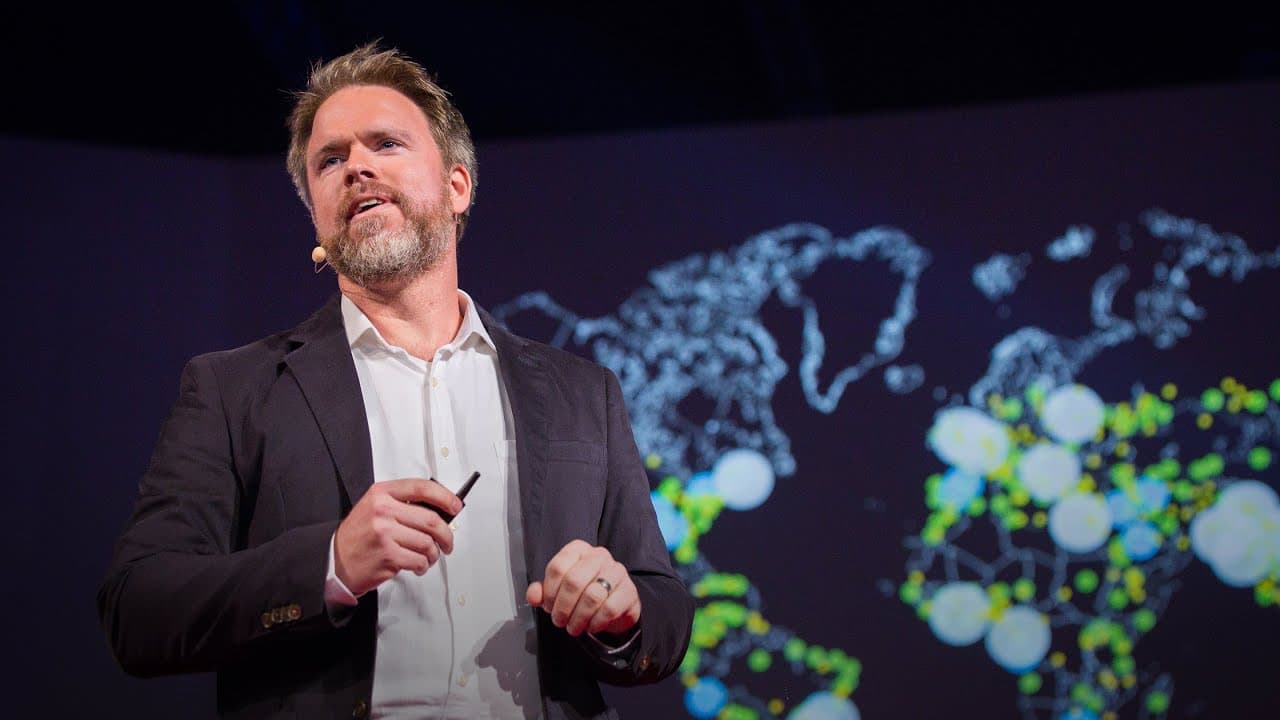
We can cut violent deaths around the world by 50 percent in the next three decades. All we have to do is drop killing by 2.3 percent a year, and we'll hit that target. You don't believe me? Well, the leading epidemiologists and criminologists around the world seem to think we can, and so do I, but only if we focus on our cities, especially the most... Read More
Key Insights
- 🌍 The geography of violence is shifting to cities, especially in Latin America, Africa, and Asia, where violence is increasing due to factors such as lack of infrastructure and governance.
- 💣 Despite the overall decline in armed conflict and murder rates, violence is still a major problem, and almost 500,000 people die violently outside of war zones every year.
- 🌆 Urbanization is happening rapidly, particularly in the South, and the speed of urbanization is a key driver of fragility and violence in cities.
- 👦 The rise of the youth bulge in fragile cities, combined with unemployment, lack of education, and male gender, increases the risk of violence.
- 💻 Digital technology has both positive and negative effects on violence. While it can be used for law enforcement and collective action, criminal gangs are also using social media to recruit, sell their products, and carry out violence.
- 🌌 Income inequality, poverty, climate change, and impunity are other megarisks that contribute to fragility and violence in cities.
- 🌇 Collaboration and knowledge-sharing between healthy and fragile cities can lead to successful interventions and reductions in violence.
- 📚 Strategies to reduce violence in cities include focusing on hot spots, investing in low-income and violent areas, promoting social cohesion, and utilizing technology for accountability and safety.
Install to Summarize YouTube Videos and Get Transcripts
Explore YouTube Video Summarizer or Get YouTube Transcript Extractor
Questions & Answers
Q: How much can violent deaths be reduced worldwide in the next three decades?
Violent deaths can be reduced by 50 percent in the next three decades if we can decrease killing by 2.3 percent each year.
Q: Who believes that violent deaths can be reduced by this percentage?
Leading epidemiologists, criminologists, and the speaker himself believe that violent deaths can be reduced by 50 percent.
Q: Which cities are particularly vulnerable to violence?
The most fragile cities, such as Aleppo, Bamako, Caracas, Erbil, Mosul, Tripoli, and Salvador, are particularly vulnerable to violence.
Q: What is the current trend of violence in cities globally?
Violence is migrating from nation states to cities, as most people now live in cities rather than the countryside. International instability is becoming the norm, especially in Latin America, Africa, and Asia.
Q: Why is violence increasing in cities located in the South?
The increase in violence in cities located in Latin America, Africa, and Asia can be attributed to factors such as accelerating violence, overstretched infrastructure, and limited governance.
Q: How many people die violently each year globally and what are the main causes?
Approximately 525,000 people die violently each year, with between 50,000 and 60,000 deaths occurring in war zones. The rest, almost 500,000 people, die outside of conflict zones. Homicide is the main cause of non-conflict related violent deaths.
Q: How is violence shifting from physical to virtual spaces?
Criminal gangs are starting to use social media and cyberspace to recruit, sell products, coerce, intimidate, and even kill. This shift indicates that violence is moving into virtual spaces.
Q: What are some approaches to reducing violence in cities?
Initiatives such as twinning fragile cities with healthier ones, focusing on hot spots where violence is most concentrated, providing education and employment opportunities for at-risk youth, promoting social cohesion and inclusivity, and leveraging technology for public safety can help reduce violence in cities.
Summary & Key Takeaways
-
Violent deaths worldwide can be reduced by 50% in the next three decades by focusing on our cities, especially the most fragile ones.
-
The geography of violence is changing, with violence migrating to cities in Latin America, Africa, and Asia.
-
Factors such as youthfulness, unemployment, lack of education, and being male contribute to an increase in violence, but through strategies such as investing in communities, improving social cohesion, and utilizing technology, we have the opportunity to make our cities safer.
Read in Other Languages (beta)
Share This Summary 📚
Summarize YouTube Videos and Get Video Transcripts with 1-Click
Try YouTube Summary with ChatGPT & Claude or YouTube Transcript Generator
Explore More Summaries from TED 📚



Summarize YouTube Videos and Get Video Transcripts with 1-Click
Try YouTube Summary with ChatGPT & Claude or YouTube Transcript Generator