People, Plants and Pollinators | Nat Geo Live
TL;DR
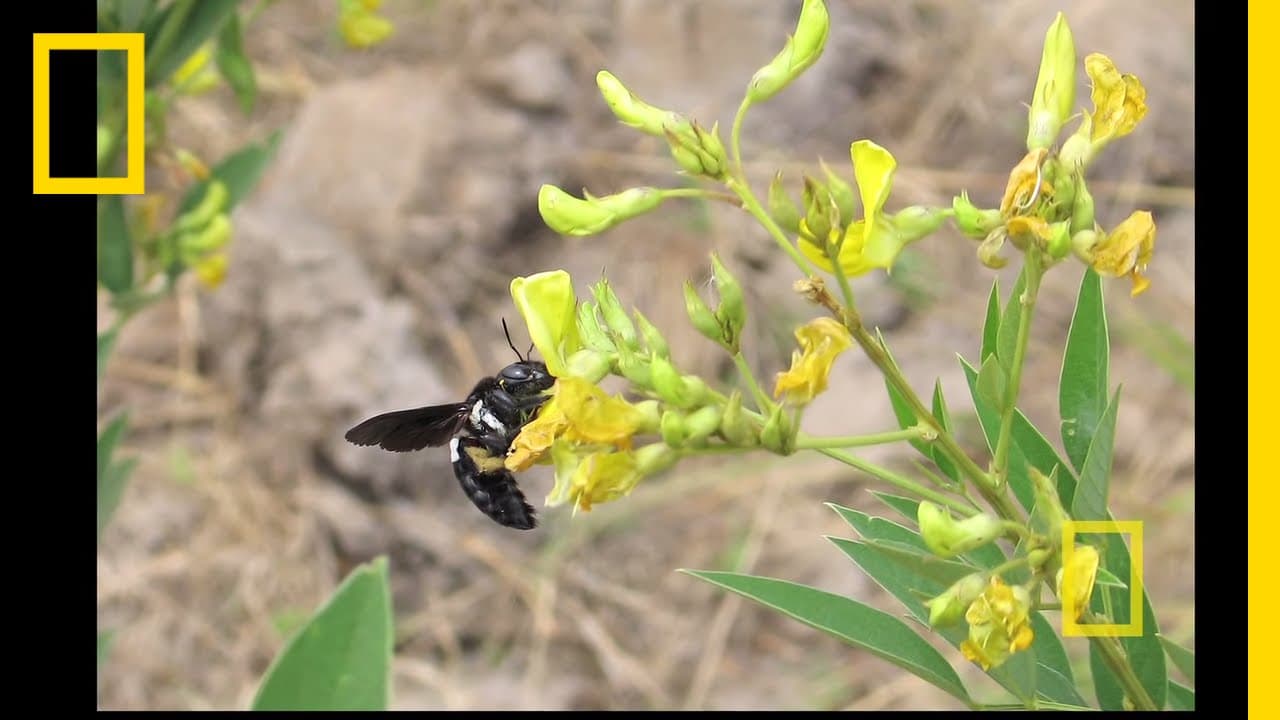
Insects play a crucial role in our ecosystem, from food pollination to cultural significance.
Transcript
yes I am an entomologist and I know a lot of you think that's strange but I hope I'll convince you by the end of the 15 minutes I'm allotted that insects are actually the creatures that do run the world and that are truly truly wonderful and all of those 7 billion people we just heard about on this planet their lives are touched by insects in many ... Read More
Key Insights
- 😋 Insects, particularly bees, are essential for food pollination, impacting global food production.
- 🌸 Loss of biodiversity and habitats threatens the delicate balance of ecosystems, causing a decline in species diversity.
- ❓ Historical relationships between humans and insects demonstrate mutualism and cooperation in nature.
- 🐝 African bee diversity, including honey bees and stingless bees, contributes significantly to pollination and honey production.
- 🐝 The richness of bee species in Africa, from solitary bees to social bees, showcases the diverse ecosystem in different habitats.
- 🐝 Cooperation between humans and honey guides for honey collection highlights the historical partnership between species.
- 🐝 The decline of beekeeping practices and bee species poses a threat to traditional knowledge and ecosystem balance.
Install to Summarize YouTube Videos and Get Transcripts
Explore YouTube Video Summarizer or Get YouTube Transcript Extractor
Questions & Answers
Q: Why are insects essential for food pollination?
Insects, such as bees, pollinate nearly two-thirds of the world's flowering plants, including key food crops like coffee and chocolate. Without insect pollination, these crops wouldn't exist.
Q: What challenges do insects face in the current environment?
Insects are losing habitats and ecosystems due to human activities, leading to the decline of species vital for biodiversity and ecosystem functions.
Q: What is the significance of the relationship between humans, birds, and honey guides?
The mutualism between humans and honey guides showcases the intricate connections between different species, highlighting cooperation and historical partnerships in nature.
Q: How does the diversity of bees in Africa contribute to the ecosystem?
African bees, including honey bees, stingless bees, and solitary bees, play critical roles in pollination and honey production, showcasing the richness of bee diversity in African ecosystems.
Summary & Key Takeaways
-
Insects are vital for pollinating food crops, impacting the lives of all 7 billion people on Earth.
-
Loss of biodiversity and habitats threatens the delicate balance of ecosystems.
-
Humans have intricate historical relationships with insects, showcasing mutualism and cooperation.
Read in Other Languages (beta)
Share This Summary 📚
Summarize YouTube Videos and Get Video Transcripts with 1-Click
Try YouTube Summary with ChatGPT & Claude or YouTube Transcript Generator
Explore More Summaries from National Geographic 📚



Summarize YouTube Videos and Get Video Transcripts with 1-Click
Try YouTube Summary with ChatGPT & Claude or YouTube Transcript Generator