Learn music theory in half an hour.
TL;DR
Learn the fundamentals of music theory, including notes, chords, and rhythm, to gain a deeper understanding and improve musical skills.
Transcript
hey it's injure WOM just a little bit of context for this video it is a complete walkthrough of the basics of music theory in half an hour also sprinkled throughout are some exercises that you can do that will help you internalize these concepts because once they're in here once they're natural to how you operate it's like a superpower you'll be ab... Read More
Key Insights
- 🎼 Music theory is the language that helps musicians understand, interpret, and communicate about music.
- 🎼 By practicing and internalizing music theory concepts, musicians can enhance their creativity, productivity, and overall musical abilities.
- 🎹 Notes are organized on a piano keyboard, with white keys representing the letters A through G and black keys indicating sharps and flats.
- 😫 Chord progressions play a crucial role in setting the emotion and storytelling in a song.
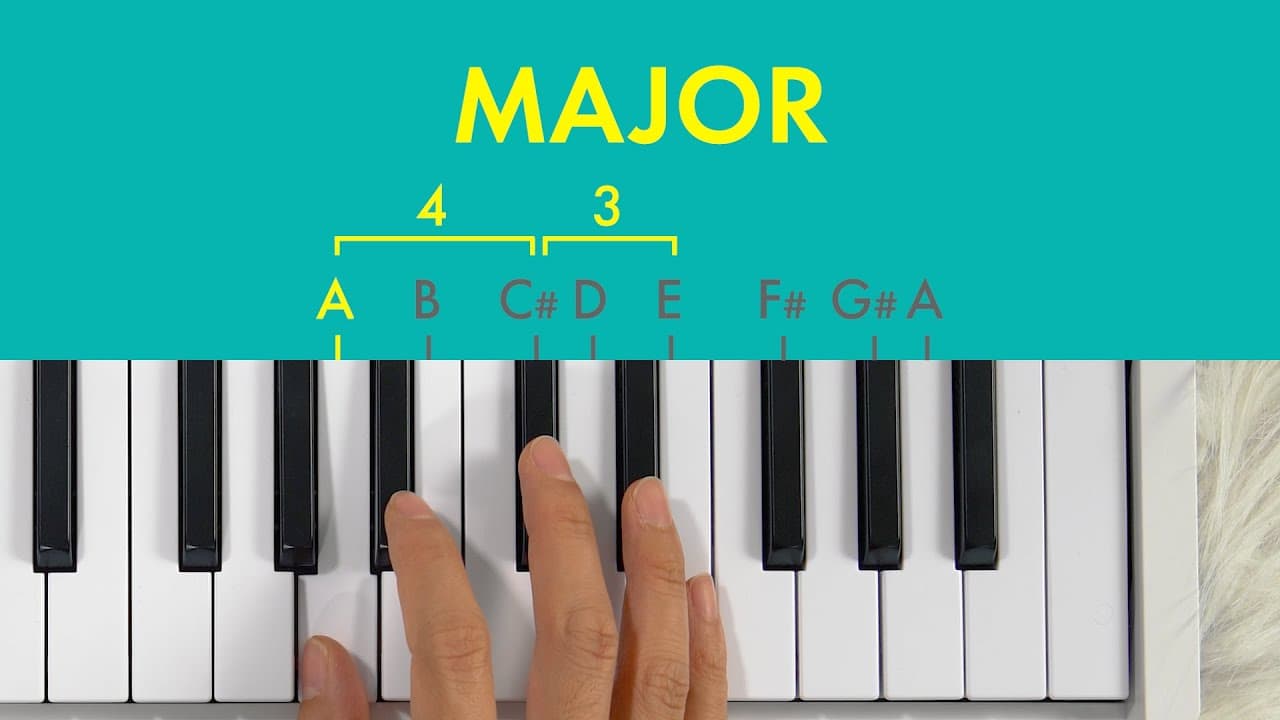
- 🎼 Major and minor chords are the most common chord types used in music, each conveying a different mood.
- 👂 Understanding the relationship between chords and notes, as well as utilizing inversions, can improve the overall sound and fluidity of chord progressions.
- 🎼 Rhythm is an essential aspect of music, and counting beats using the musical counting system helps musicians accurately play and interpret rhythms.
- 🎵 Practicing rhythmic notation and understanding subdivisions such as eighth notes and sixteenth notes can improve rhythm skills.
Install to Summarize YouTube Videos and Get Transcripts
Explore YouTube Video Summarizer or Get YouTube Transcript Extractor
Questions & Answers
Q: What is music theory?
Music theory is the language behind music, providing the tools to understand, interpret, and communicate about music. It helps musicians understand how chords, notes, rhythms, and melodies work together.
Q: How can music theory benefit musicians?
By gaining a strong foundation in music theory, musicians can come up with more ideas, work faster, and effectively communicate their musical ideas. It becomes a natural and fluid skill, enhancing their musical abilities.
Q: How are notes named and organized on a piano keyboard?
The white keys on a piano keyboard are named A through G, while the black keys are named using sharps and flats. The layout of the piano keyboard helps musicians understand the relationships between notes.
Q: What is the importance of chord progressions?
Chord progressions set the emotion and guide the listener through a musical story. Most chord progressions are built using a combination of major and minor chords, which create different moods and flavors in a song.
Key Insights:
- Music theory is the language that helps musicians understand, interpret, and communicate about music.
- By practicing and internalizing music theory concepts, musicians can enhance their creativity, productivity, and overall musical abilities.
- Notes are organized on a piano keyboard, with white keys representing the letters A through G and black keys indicating sharps and flats.
- Chord progressions play a crucial role in setting the emotion and storytelling in a song.
- Major and minor chords are the most common chord types used in music, each conveying a different mood.
- Understanding the relationship between chords and notes, as well as utilizing inversions, can improve the overall sound and fluidity of chord progressions.
- Rhythm is an essential aspect of music, and counting beats using the musical counting system helps musicians accurately play and interpret rhythms.
- Practicing rhythmic notation and understanding subdivisions such as eighth notes and sixteenth notes can improve rhythm skills.
Overall, this video provides a comprehensive introduction to the basics of music theory, covering notes, chords, and rhythm. It emphasizes the importance of practice, offers practical exercises, and highlights how music theory can enhance musicians' creativity and musical abilities.
Summary & Key Takeaways
-
This video provides a complete walkthrough of the basics of music theory, teaching foundational concepts in a concise and understandable manner.
-
The content explores the language behind music, helping viewers understand chords, notes, rhythms, and melodies.
-
The video emphasizes the importance of practice and offers exercises to help internalize music theory concepts.
Read in Other Languages (beta)
Share This Summary 📚
Summarize YouTube Videos and Get Video Transcripts with 1-Click
Try YouTube Summary with ChatGPT & Claude or YouTube Transcript Generator
Explore More Summaries from ANDREW HUANG 📚


Summarize YouTube Videos and Get Video Transcripts with 1-Click
Try YouTube Summary with ChatGPT & Claude or YouTube Transcript Generator