10 Most Brutal 70s Exploitation Films That Got BANNED
TL;DR
Exploration of banned 70s exploitation films and their controversial impact.
Transcript
oliver Stone spent decades pretending his own exploitation trash never existed actors from one of these movies literally tried suing their way out of the credits john Waters proudly called his film cinematic terrorism and Tarantino admitted there's one exploitation flick even he was afraid to watch forget band these 70s movies were so insane the pe... Read More
Key Insights
- Oliver Stone's early work in exploitation cinema is something he has distanced himself from, highlighting the controversial nature of these films.
- John Waters' 'Pink Flamingos' is described as 'cinematic terrorism' for its shocking content, including real animal abuse and public indecency.
- Jonathan Demme's 'Caged Heat' is noted for its progressive elements, despite being a women-in-prison exploitation film, showcasing Demme's potential early in his career.
- The film 'Ilsa, She Wolf of the SS' is infamous for its graphic violence and Nazi fetishism, leading to its banning in several countries.
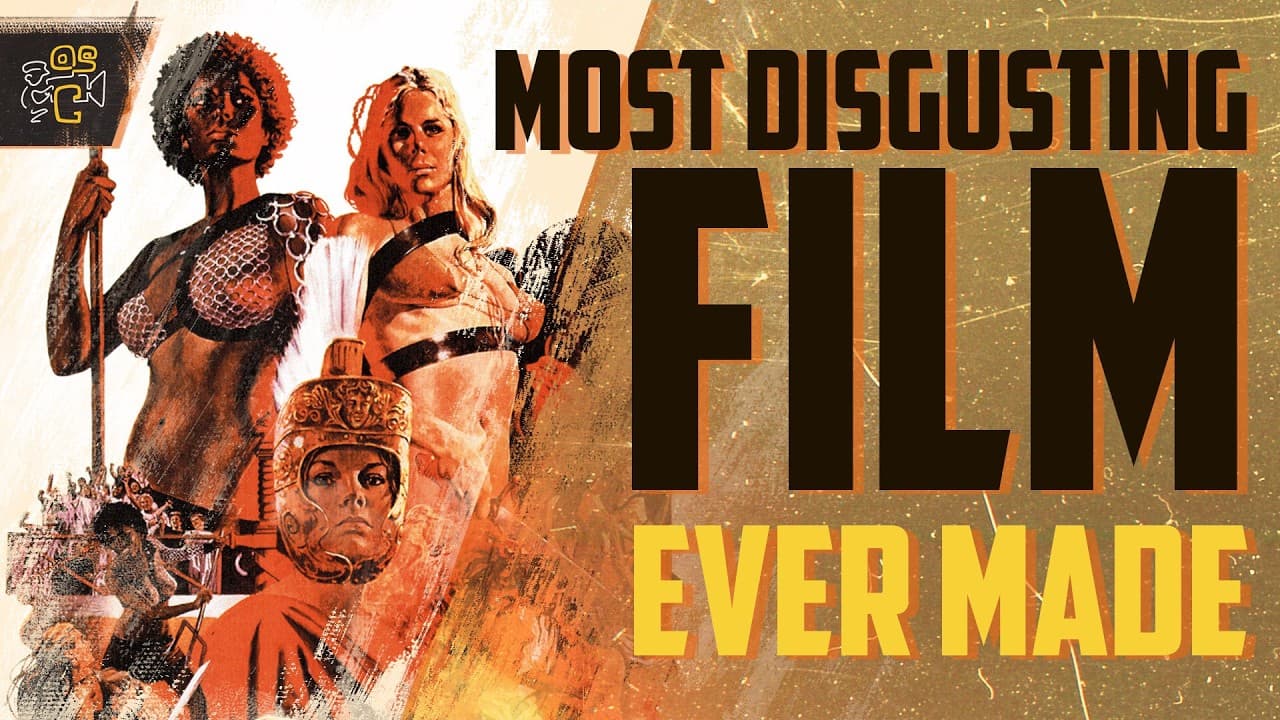
- Pam Greer's 'The Arena' combines exploitation with a gladiator setting, offering a unique take on the genre with its rebellion narrative.
- 'Thriller: A Cruel Picture' is renowned for its graphic violence and revenge narrative, influencing future filmmakers like Quentin Tarantino.
- Roger Corman's 'Hollywood Boulevard' is a self-referential take on B-movie production, made with minimal budget and resources, yet successful in its execution.
- 'I Spit on Your Grave' is a controversial film due to its graphic depiction of sexual violence and revenge, leading to bans in multiple countries.
Install to Summarize YouTube Videos and Get Transcripts
Explore YouTube Video Summarizer or Get YouTube Transcript Extractor
Questions & Answers
Q: Why did Oliver Stone distance himself from his early exploitation film?
Oliver Stone distanced himself from his early exploitation film 'Sugar Cookies' because it was a controversial work that he later refused to acknowledge. As he became a more established and respected filmmaker, he likely wanted to dissociate from the film's sleazy and sensationalist content, which was typical of exploitation cinema but not representative of his later, more serious works.
Q: What makes 'Pink Flamingos' a significant exploitation film?
'Pink Flamingos', directed by John Waters, is significant for its extreme and unapologetic content, which Waters himself described as 'cinematic terrorism.' The film includes real animal abuse, public indecency, and other shocking elements that pushed the boundaries of what was acceptable in cinema. Its notoriety and impact on the genre are underscored by its eventual inclusion in the Criterion Collection.
Q: How did 'Caged Heat' contribute to Jonathan Demme's career?
'Caged Heat' was a pivotal film in Jonathan Demme's career, showcasing his ability to inject progressive ideas into the exploitation genre. Despite being a women-in-prison film, it was noted for its progressive themes and helped launch Demme's career, eventually leading him to become an Oscar-winning director. The film's success demonstrated his potential and set the stage for his transition to mainstream cinema.
Q: What themes are explored in 'Ilsa, She Wolf of the SS'?
'Ilsa, She Wolf of the SS' explores themes of graphic violence, Nazi fetishism, and sexual exploitation. The film is notorious for its brutal portrayal of a Nazi commandant conducting experiments and torturing prisoners. Its shocking content led to it being banned in several countries, and it remains infamous for its controversial depiction of historical atrocities mixed with exploitation elements.
Q: How does 'The Arena' differ from typical Pam Greer films?
'The Arena' differs from typical Pam Greer films by placing her in an ancient Roman setting rather than the usual Blaxploitation context. The film combines elements of exploitation with a gladiatorial backdrop, telling the story of two house slaves forced to fight to the death. This unique setting and narrative distinguish it from Greer's other works, offering a different take on the exploitation genre.
Q: What influence did 'Thriller: A Cruel Picture' have on future filmmakers?
'Thriller: A Cruel Picture' influenced future filmmakers, notably Quentin Tarantino, with its graphic violence and revenge narrative. The film's depiction of a woman seeking vengeance after being subjected to horrific abuse resonated with audiences and filmmakers alike. Its raw and brutal style set a precedent for revenge films and demonstrated the impact of exploitation cinema on mainstream storytelling.
Q: What is notable about the production of 'Hollywood Boulevard'?
'Hollywood Boulevard' is notable for its self-referential take on B-movie production, made with a minimal budget and resources. Directed by Joe Dante in his debut, the film was produced in just 10 days using leftover scraps from New World Pictures. Its chaotic production process, combined with a meta-narrative about the film industry, contributed to its success and helped launch Dante's career.
Q: Why was 'I Spit on Your Grave' controversial?
'I Spit on Your Grave' was controversial due to its explicit depiction of sexual violence and the subsequent revenge taken by the protagonist. The film's graphic content led to bans in multiple countries and sparked debates about its portrayal of violence and exploitation. Despite its harsh reception from critics, the film became a cult classic and highlighted the provocative nature of exploitation cinema.
Summary & Key Takeaways
-
The video explores 10 of the most brutal exploitation films from the 1970s, highlighting their controversial nature and the impact they had on filmmakers and audiences. These films were often banned due to their graphic content, pushing the boundaries of cinema at the time.
-
Oliver Stone, Jonathan Demme, and John Waters are among the notable directors whose early works in exploitation cinema are discussed. These films often contained extreme violence, nudity, and other shocking elements, leading to censorship and bans in various countries.
-
The video also delves into the cultural and cinematic significance of these films, noting how they influenced future filmmakers and became cult classics despite their controversial reception. The films' ability to provoke and challenge societal norms is a recurring theme throughout the analysis.
Read in Other Languages (beta)
Share This Summary 📚
Summarize YouTube Videos and Get Video Transcripts with 1-Click
Try YouTube Summary with ChatGPT & Claude or YouTube Transcript Generator
Explore More Summaries from Old School Cinema 📚

Summarize YouTube Videos and Get Video Transcripts with 1-Click
Try YouTube Summary with ChatGPT & Claude or YouTube Transcript Generator