How to Identify and Avoid Overtraining Effectively?
TL;DR
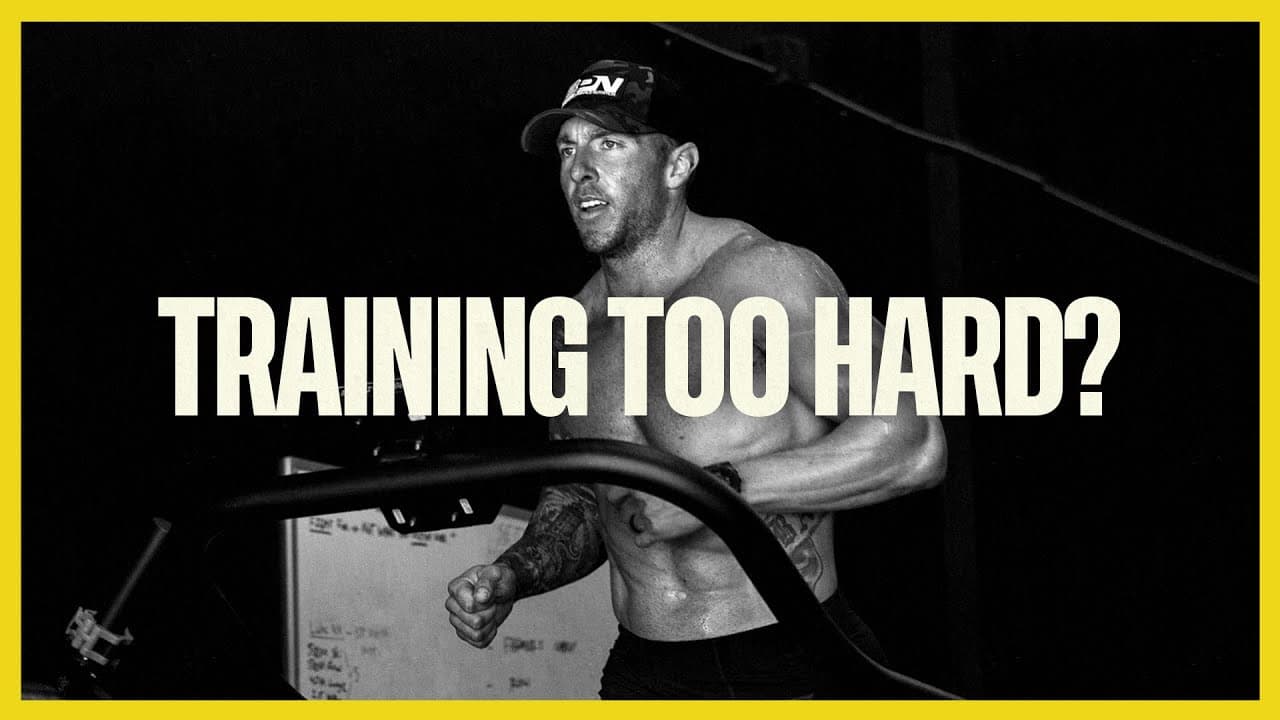
To effectively avoid overtraining, adjust your training volume based on your daily readiness rather than doubling your workload with new exercises. Employ auto-regulation to tailor your workouts to how you feel each day, ensure proper fueling to optimize performance, and understand that soreness isn’t a sign of a good workout; consistent, balanced training is key.
Transcript
how do I avoid overtraining again I think this is an issue because a lot of people think that if you're lifting and you start incorporating running it is twice as much time volume and work and if you're running and you want to start lifting it is two times as much as you were previously doing they work both ways but the reality is it's not twice as... Read More
Key Insights
- Incorporating new training styles doesn't double workload; adjust existing routines to integrate new exercises without overtraining.
- Auto-regulation allows for flexible training schedules based on daily physical and mental readiness, preventing overexertion.
- Progressive overload gradually increases training intensity to stimulate growth and adaptation, avoiding sudden spikes in workload.
- Proper fueling enhances workout performance; training in a fasted state can limit output and adaptation.
- Fueling should be planned days in advance, ensuring muscle glycogen stores are optimized for high-intensity activities.
- Soreness is not a reliable indicator of workout effectiveness; consistent performance is better achieved through balanced training.
- Avoiding the pursuit of soreness allows for consistent, high-level training and reduces the risk of injury.
- Smart training strategies, including proper recovery, lead to sustained performance improvements and long-term growth.
Install to Summarize YouTube Videos and Get Transcripts
Explore YouTube Video Summarizer or Get YouTube Transcript Extractor
Questions & Answers
Q: How can one integrate different training styles without overtraining?
To integrate different training styles without overtraining, adjust your existing routine instead of doubling your workload. For example, reduce weightlifting sessions if adding running to your routine. This approach helps manage overall training volume, allowing for gradual adaptation and preventing overtraining.
Q: What is auto-regulation in training, and how does it help?
Auto-regulation is a training approach that adapts workouts based on daily physical and mental readiness. It allows for flexible scheduling, adjusting intensity and exercises according to how one feels each day. This method helps prevent overexertion and ensures training aligns with individual recovery and energy levels.
Q: Why is progressive overload important in training?
Progressive overload is crucial because it gradually increases training intensity, stimulating growth and adaptation. It prevents sudden spikes in workload that can lead to overtraining or injury. By progressively challenging the body, it adapts and becomes stronger, enhancing performance over time.
Q: How does proper fueling affect workout performance?
Proper fueling significantly enhances workout performance by ensuring the body has the necessary energy to sustain high-intensity activities. Training in a fasted state can limit output and adaptation, whereas fueling adequately allows for greater endurance, strength, and overall performance improvement.
Q: What is the role of muscle glycogen in training?
Muscle glycogen plays a critical role in training as it serves as a readily accessible energy source during high-intensity activities. By optimizing glycogen stores through proper fueling days in advance, athletes can maintain performance levels, delay fatigue, and enhance their ability to sustain prolonged, intense workouts.
Q: Is soreness a reliable indicator of workout effectiveness?
Soreness is not a reliable indicator of workout effectiveness. While it can occur after intense sessions, consistently seeking soreness can lead to overtraining and injury. Effective training focuses on performance consistency, where recovery and effort are balanced to achieve long-term progress without excessive soreness.
Q: How can one maintain consistency in training?
Maintaining consistency in training involves balancing recovery and effort to avoid excessive soreness and injury. By focusing on smart training strategies, such as auto-regulation and progressive overload, athletes can ensure they perform at high levels consistently, leading to sustained improvements and long-term growth.
Q: What are the benefits of smart training strategies?
Smart training strategies, including proper recovery, auto-regulation, and progressive overload, lead to sustained performance improvements and long-term growth. They help prevent injuries, ensure consistent high-level performance, and allow for gradual adaptation, optimizing training outcomes and enhancing overall athletic development.
Summary & Key Takeaways
-
Incorporating different training styles requires adjusting existing routines rather than doubling the workload, preventing overtraining. Auto-regulation helps adapt training to daily physical readiness, allowing for flexible scheduling and preventing overexertion.
-
Progressive overload is essential for stimulating growth and adaptation, gradually increasing training intensity to avoid sudden workload spikes. Proper fueling enhances performance, with training in a fasted state limiting output and adaptation.
-
Fueling should be planned days in advance to optimize muscle glycogen stores for high-intensity activities. Soreness is not a reliable workout effectiveness indicator; consistent performance is achieved through balanced training and avoiding pursuit of soreness.
Read in Other Languages (beta)
Share This Summary 📚
Summarize YouTube Videos and Get Video Transcripts with 1-Click
Try YouTube Summary with ChatGPT & Claude or YouTube Transcript Generator
Explore More Summaries from The Nick Bare Podcast 📚

Summarize YouTube Videos and Get Video Transcripts with 1-Click
Try YouTube Summary with ChatGPT & Claude or YouTube Transcript Generator