How To Build a Terrarium | 2023 How-To Festival
TL;DR
Learn how to build a terrarium with drainage, substrate, plants, and decorative elements for a self-sustaining ecosystem.
Transcript
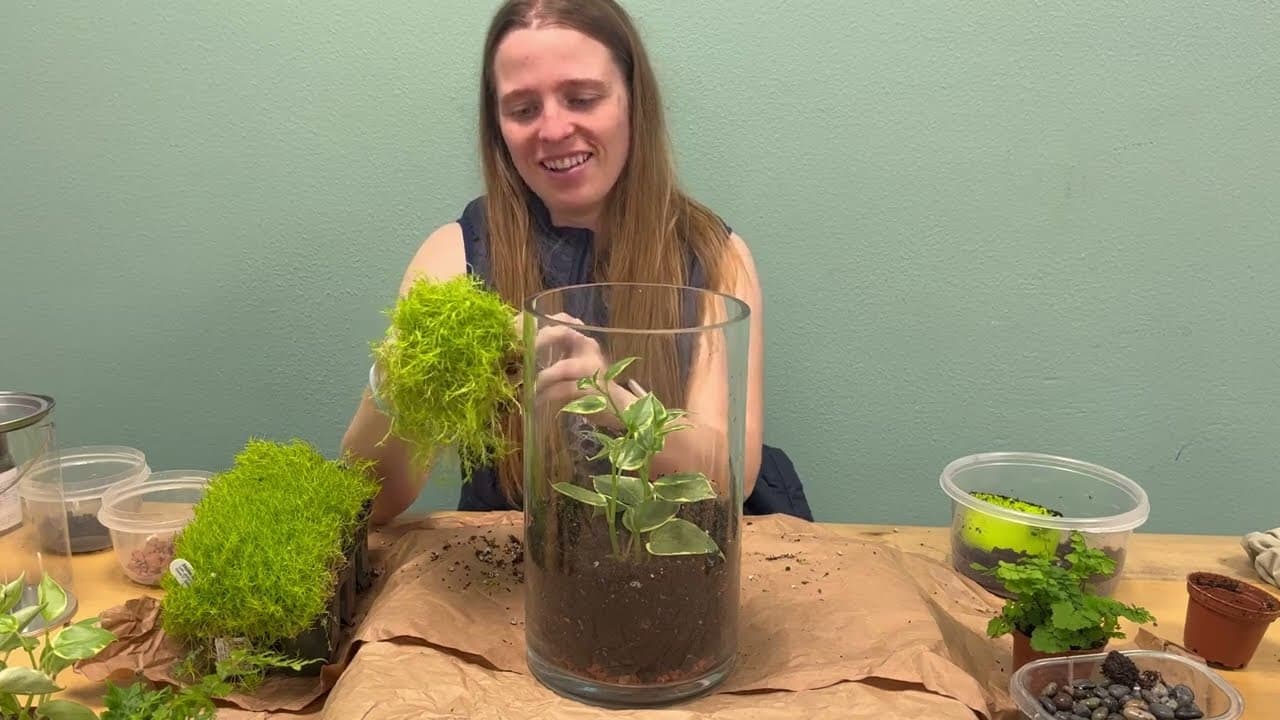
foreign from The Point Loma Branch library and today I'm going to show you how to build your own terrarium now I have a few examples here to show you what a terrarium could look like contrarians could be open such as this and it could house succulents air plants anything that could live in a very dry environment um today we're actually going to be ... Read More
Key Insights
- 😚 Terrariums can be open or closed systems housing different types of plants.
- 🤳 Proper drainage, filtering, and substrate layers are essential for a self-sustaining terrarium.
- 🌱 Plant selection should consider the size of the terrarium and the plants' growth patterns.
- 👨🎤 Adding decorative elements like moss, rocks, and figurines can enhance the terrarium's visual appeal.
- ❓ Consistent indirect sunlight and occasional misting are necessary for maintaining a terrarium ecosystem.
- 🍄 Terrarium building is a fun and creative DIY project that can be personalized with various elements.
- 🌱 Careful consideration of plant choices, design layout, and decorative elements can result in a visually stunning terrarium.
Install to Summarize YouTube Videos and Get Transcripts
Explore YouTube Video Summarizer or Get YouTube Transcript Extractor
Questions & Answers
Q: What are the essential layers needed in a terrarium?
Terrariums require a drainage layer of gravel, activated charcoal for filtering, and a specialized substrate suitable for tropical plants.
Q: How should you plant the terrarium for visual appeal?
Place taller plants in the middle and shorter ones on the edges for a visually appealing terrarium that can be viewed from all angles.
Q: How can you add decorative elements to a terrarium?
Incorporate living moss, rocks, sticks, or figurines to add personality and visual interest to your terrarium.
Q: How do you maintain a terrarium once it is built?
Keep the terrarium in indirect sunlight, monitor moisture levels, and mist occasionally to ensure the plants thrive in their closed ecosystem.
Summary & Key Takeaways
-
Terrariums can be open or closed, housing plants like succulents or tropical plants that thrive in a humid environment.
-
Layers include gravel for drainage, activated charcoal for filtering, and a specialized substrate for tropical plants.
-
Plant your terrarium with a variety of plants, moss, and decorative elements, then maintain with indirect sunlight and occasional misting.
Read in Other Languages (beta)
Share This Summary 📚
Summarize YouTube Videos and Get Video Transcripts with 1-Click
Try YouTube Summary with ChatGPT & Claude or YouTube Transcript Generator
Explore More Summaries from San Diego Public Library 📚






Summarize YouTube Videos and Get Video Transcripts with 1-Click
Try YouTube Summary with ChatGPT & Claude or YouTube Transcript Generator