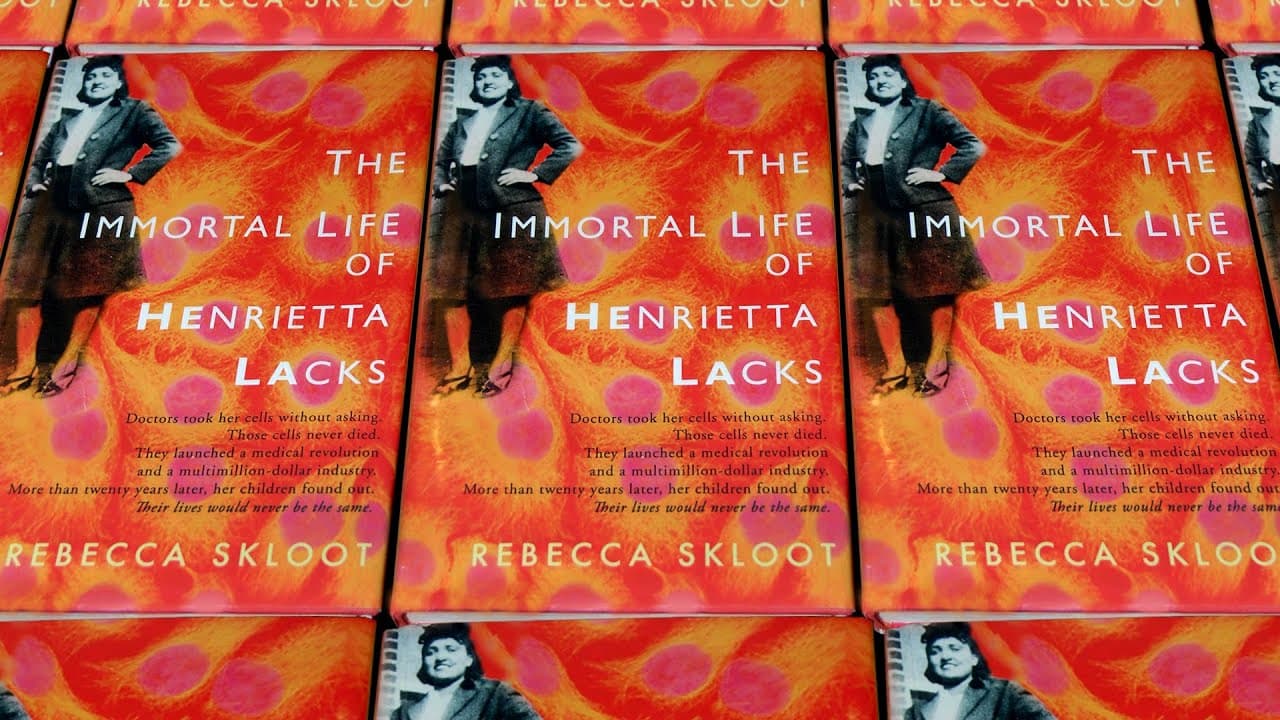
Science & Story: Rebecca Skloot - "The Immortal Life of Henrietta Lacks"
TL;DR
A science writer delves into the impactful story of Henrietta Lacks' immortal cells, bridging science, ethics, and storytelling.
Transcript
yeah I came to writing about science as a science person Mike wasn't planning to be writer me it all started with science and I often tell my students that I think it's incredibly valuable as a writer to have a sort of specialty just in terms of actually making a living get to Ted getting to tell the stories you want to tell but then I also say in ... Read More
Key Insights
- 🖐️ Storytelling plays a crucial role in making scientific information accessible to the public, bridging the gap between science and society.
- 👨🔬 Henrietta Lacks' immortal cells underscore the ethical complexities in scientific research, highlighting issues of consent and communication.
- 💁 The interplay between faith, science, and storytelling is evident in how Henrietta Lacks' family perceived her immortal cells as a form of divine intervention.
- 👨🔬 Gaining trust and transparency are essential in navigating the ethical dilemmas surrounding scientific research involving human subjects.
- 🤗 The legacy of Henrietta Lacks prompts a reflection on the intersection of ethics, science, and law, emphasizing the need for open communication and respect for individuals' rights.
- 🏑 Science is a continually evolving field, and it is essential to recognize the uncertainty and complexity inherent in scientific discoveries.
- 🗯️ Henrietta Lacks' story serves as a powerful example of the need for ethical guidelines and regulations in scientific research to protect individuals' rights and ensure transparency.
Install to Summarize YouTube Videos and Get Transcripts
Explore YouTube Video Summarizer or Get YouTube Transcript Extractor
Questions & Answers
Q: What motivated the author to write about science and storytelling?
The author, a science person, emphasizes the importance of storytelling in conveying scientific information to the public. It offers a unique way to bridge the gap between science and the general audience.
Q: How did Henrietta Lacks' family perceive her immortal cells?
Henrietta Lacks' family, lacking a scientific background, saw her cells as a form of immortality, believing she was an angel and that her cells held her essence, reflecting their deep faith and supernatural beliefs.
Q: What challenges did the author face while gaining the trust of Deborah, Henrietta Lacks' daughter?
Deborah's initial mistrust stemmed from a long history of exploitation and lack of communication between scientists and the Lacks family, highlighting the ethical complexities and power dynamics in scientific research.
Q: How did Henrietta Lacks' legacy shed light on the interplay between ethics, science, and law?
The story of Henrietta Lacks reveals the ethical implications of using her cells without consent, showcasing the importance of communication, trust, and transparency in scientific research.
Summary & Key Takeaways
-
Science writer discusses the value of telling stories in science and the importance of sharing scientific information.
-
The author explores the story of Henrietta Lacks, whose cells were taken without her knowledge and used for scientific research.
-
The interplay of science, ethics, law, and storytelling in Henrietta Lacks' legacy is examined.
Read in Other Languages (beta)
Share This Summary 📚
Summarize YouTube Videos and Get Video Transcripts with 1-Click
Try YouTube Summary with ChatGPT & Claude or YouTube Transcript Generator
Explore More Summaries from World Science Festival 📚

Summarize YouTube Videos and Get Video Transcripts with 1-Click
Try YouTube Summary with ChatGPT & Claude or YouTube Transcript Generator