미국인 건강 위협하는 식품업계…유럽선 금지한 ‘화학첨가물’ 허용 [ATL]
TL;DR
Food industries in the U.S. use banned additives for profit.
Transcript
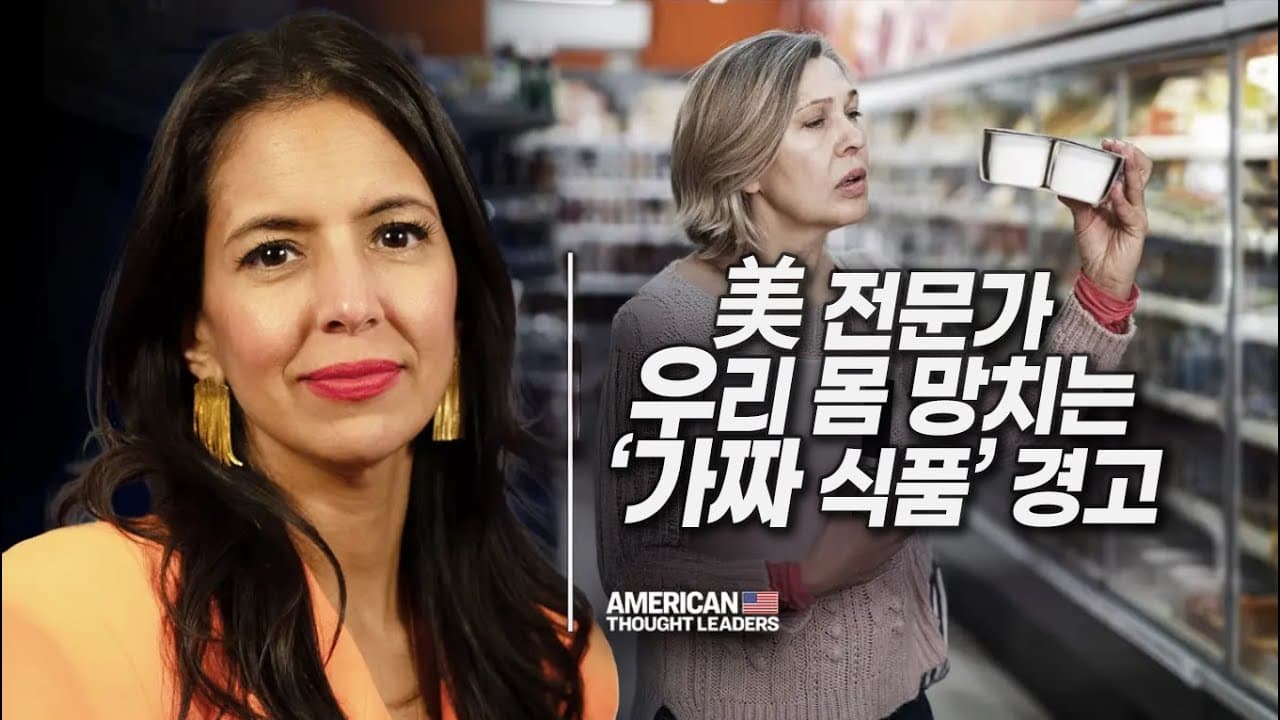
our bodies are not meant to handle these man-made chemicals that have been invented in the last 50 years these chemicals are invented for one sole purpose and that's to improve the bottom line of the food industry not improve our health in this episode I sit down with author and activist Bonnie Hari popularly known as the food babe for over... Read More
Key Insights
- The U.S. food industry uses chemicals banned in other countries, prioritizing profit over consumer health.
- Bonnie Hari, known as the Food Babe, exposes harmful ingredients in American food products and advocates for change.
- Artificial food dyes linked to health issues are still prevalent in the U.S., despite being banned elsewhere.
- The FDA has not reviewed the safety of many food additives in over a decade, raising concerns about consumer safety.
- Efforts by activists have led to significant declines in sales for companies like Kellogg's, pushing them towards safer ingredients.
- Processed foods are engineered to be addictive, using chemicals and flavors that manipulate taste and smell.
- Chick-fil-A made some positive changes by removing certain chemicals but still uses MSG, which is linked to obesity.
- Genetically modified foods designed to withstand pesticides are a concern due to potential health risks.
Install to Summarize YouTube Videos and Get Transcripts
Explore YouTube Video Summarizer or Get YouTube Transcript Extractor
Questions & Answers
Q: Why are certain food additives still used in the U.S.?
Certain food additives remain in use in the U.S. because the food industry prioritizes profit over health. These additives, banned in other countries, are allowed due to lax regulations and the FDA's lack of recent safety reviews. This situation benefits companies financially, despite potential health risks to consumers.
Q: What impact have activists had on the food industry?
Activists like Bonnie Hari have significantly impacted the food industry by raising awareness about harmful additives. Their efforts have led to consumer boycotts and petitions, resulting in decreased sales for companies like Kellogg's. This pressure has forced some companies to reconsider their ingredient choices and make changes.
Q: What are the concerns regarding artificial food dyes?
Artificial food dyes are a major concern due to their link to health issues, particularly in children. Consumption of these dyes has increased dramatically, yet they remain in U.S. products. Other countries have banned these dyes, and activists argue that the U.S. should follow suit to protect public health.
Q: How are processed foods engineered to be addictive?
Processed foods are engineered to be addictive by manipulating taste and texture. Companies use chemicals and flavors to enhance taste and smell, making them more appealing. These foods are designed to be easily digestible, leading to overconsumption. The use of additives like MSG also plays a role in increasing cravings and consumption.
Q: What changes has Chick-fil-A made in response to health concerns?
Chick-fil-A has made several changes in response to health concerns, such as removing certain artificial dyes and introducing healthier menu options. However, they continue to use MSG, which is linked to obesity. Despite these efforts, the company still faces criticism for not fully addressing all health-related issues in their products.
Q: What are the risks associated with genetically modified foods?
Genetically modified foods, particularly those designed to withstand pesticides like glyphosate, pose health risks. Studies have linked glyphosate to cancer, raising concerns about the safety of consuming GMO foods. Activists argue for more stringent regulations and transparency to protect consumer health from these potential dangers.
Q: How do food companies respond to activism and consumer pressure?
Food companies respond to activism and consumer pressure by making ingredient changes, as seen with Kellogg's and Chick-fil-A. Activists' efforts lead to public awareness and decreased sales, forcing companies to reconsider their practices. However, responses vary, with some companies more willing to engage and make changes than others.
Q: What role does the FDA play in regulating food additives?
The FDA plays a critical role in regulating food additives, but its effectiveness is questioned due to outdated safety reviews. The agency has not reviewed many additives in over a decade, allowing potentially harmful substances to remain in the food supply. Activists call for more stringent oversight and updated regulations to ensure consumer safety.
Summary & Key Takeaways
-
The U.S. food industry frequently uses chemicals banned in other countries, prioritizing profit over health. Activists like Bonnie Hari expose these practices, leading to consumer awareness and change.
-
Despite international bans, artificial food dyes and other harmful additives remain in American products. The FDA has not reviewed many of these additives for over a decade, raising safety concerns.
-
Activists have successfully pressured companies to change ingredients, impacting sales and stock prices. Companies like Chick-fil-A have made some improvements, but issues like MSG use persist.
Read in Other Languages (beta)
Share This Summary 📚
Summarize YouTube Videos and Get Video Transcripts with 1-Click
Try YouTube Summary with ChatGPT & Claude or YouTube Transcript Generator
Explore More Summaries from NTD Korea 📚
![언론과 사법까지 조종? 中공산당, 미국서 조용히 벌이는 전쟁의 실체 [특집 보도] thumbnail](/_next/image?url=https%3A%2F%2Fi.ytimg.com%2Fvi%2FIuX-Spi7tro%2Fhqdefault.jpg&w=750&q=75)
Summarize YouTube Videos and Get Video Transcripts with 1-Click
Try YouTube Summary with ChatGPT & Claude or YouTube Transcript Generator