Could the Plague Rise Again?
TL;DR
The plague, caused by Yersinia pestis, persists today with treatable forms, posing challenges in public health.
Transcript
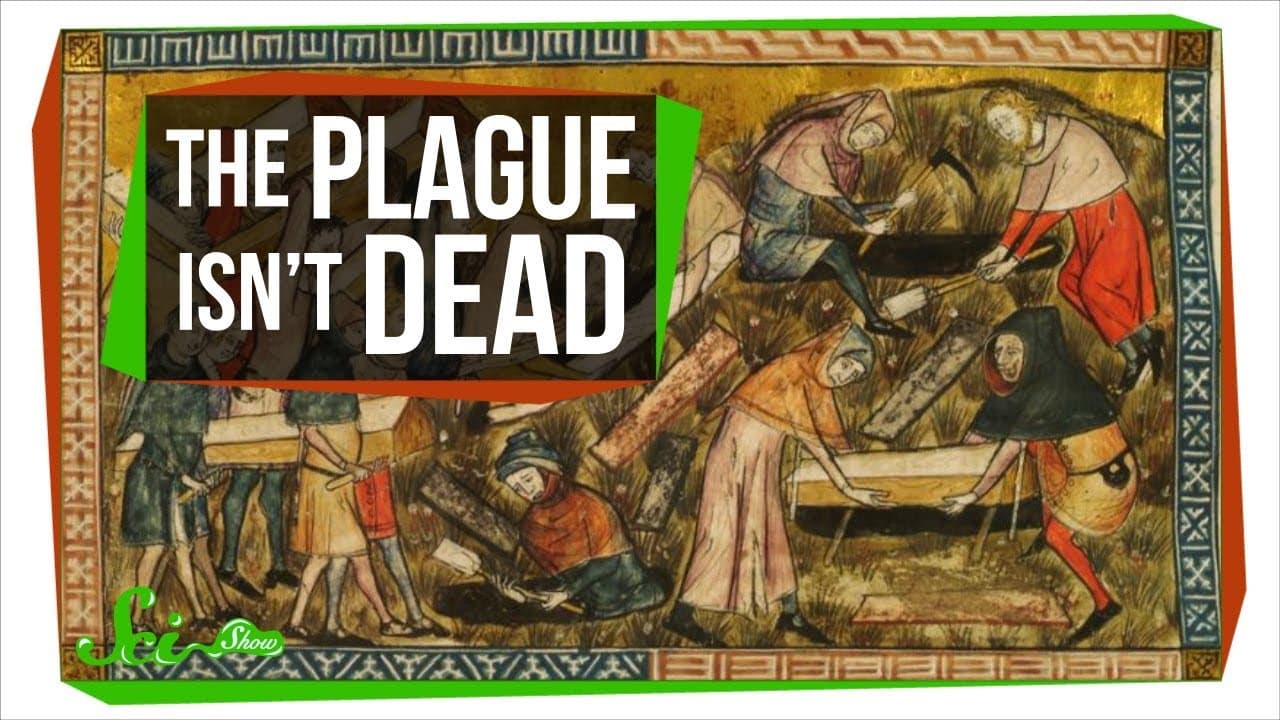
[♪ INTRO] In the 14th century, the Black Death spread throughout the old world, wiping out somewhere between a quarter and half of all the people living in Eurasia at the time. And that put the plague right up there with smallpox as one of the deadliest diseases our species has ever faced. But, of course, nobody gets smallpox any more. Literally no... Read More
Key Insights
- ❓ The Black Death in the 14th century caused massive devastation.
- 🦧 Yersinia pestis, the bacterium responsible for the plague, evolved from a mild gut bug.
- 👻 Plague transmission involves vectors like fleas, with humans as primary hosts.
- 💁 Treatable forms of the plague exist, but early diagnosis is crucial.
- ❓ Concerns about antibiotic resistance and bioterrorism remain.
- 🧑🔬 Scientists continue to study the plague for better prevention and treatment.
- 🎮 Modern hygiene and antibiotics help control the spread of the disease.
Install to Summarize YouTube Videos and Get Transcripts
Explore YouTube Video Summarizer or Get YouTube Transcript Extractor
Questions & Answers
Q: What are the three types of plague, and which one is of most concern?
The three types are bubonic, septicemic, and pneumonic plague, with pneumonic plague being the most concerning due to its respiratory transmission and high lethality.
Q: How does the plague spread between humans and animals?
The plague is a zoonotic disease spread by vectors like fleas, which carry the bacteria. Rodents can also act as carriers, maintaining the bacteria in their population.
Q: How effective are plague vaccines currently, and what challenges exist in developing better vaccines?
Existing vaccines have limitations, but promising developments are underway. Challenges include vaccine reactions, frequent re-ups, and limited efficacy.
Q: What concerns arise regarding antibiotic resistance in the plague bacterium?
While antibiotic-resistant strains have been identified, the plague bacterium faces challenges in acquiring and maintaining resistance due to limited exposure to antibiotics in nature.
Summary & Key Takeaways
-
The Black Death wiped out a significant portion of the population in the 14th century.
-
The plague, caused by Yersinia pestis, still exists today in treatable forms.
-
Research continues on the plague, with concerns about antibiotic resistance and bioterrorism.
Read in Other Languages (beta)
Share This Summary 📚
Summarize YouTube Videos and Get Video Transcripts with 1-Click
Try YouTube Summary with ChatGPT & Claude or YouTube Transcript Generator
Explore More Summaries from SciShow 📚


Summarize YouTube Videos and Get Video Transcripts with 1-Click
Try YouTube Summary with ChatGPT & Claude or YouTube Transcript Generator