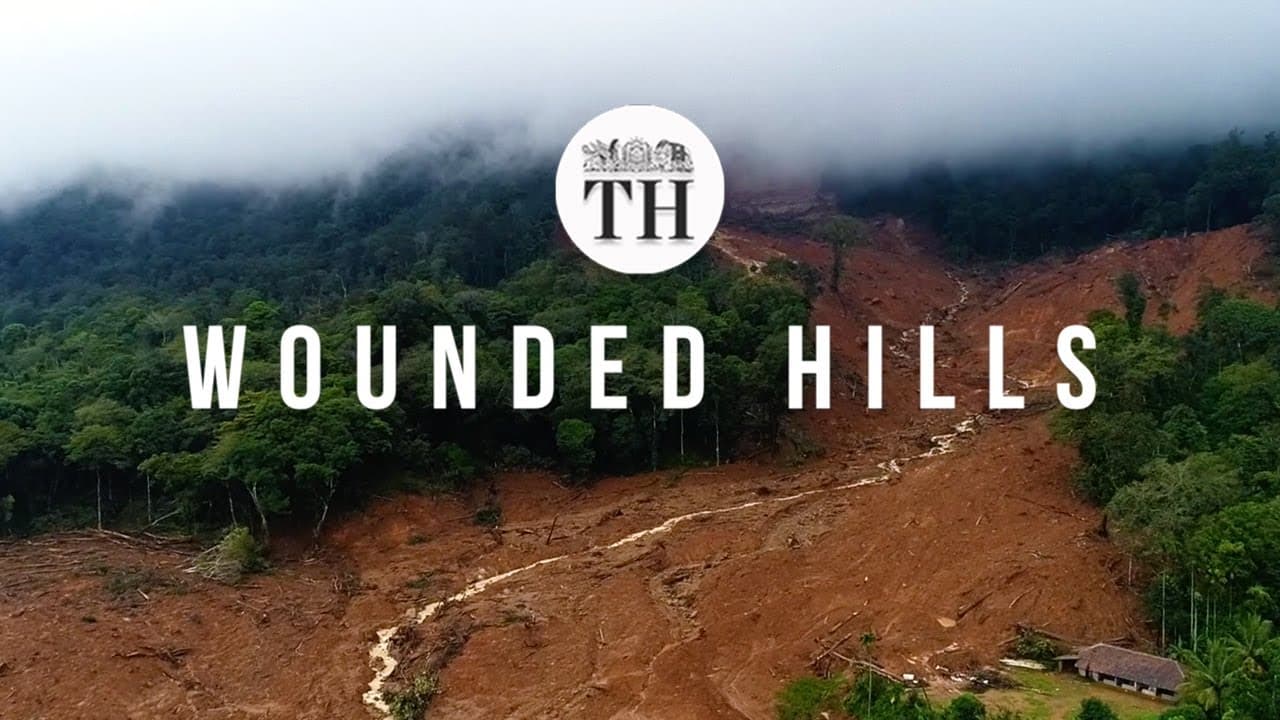
Wounded Hills: A documentary on the environmental issues of the Western Ghats
TL;DR
Human activities threaten biodiversity and cause disasters in Western Ghats.
Transcript
[Applause] [Applause] the heavens open up unveiling the Western gods this is one of the world's biggest biodiversity hotspots Kerala is a verdant land full of streams lakes rivers mountains forests rich in biodiversity and home to many unique plants and animals the beautiful Western gods are spread over one lakh twenty nine thousand and thirty seve... Read More
Key Insights
- The Western Ghats are a critical biodiversity hotspot, home to endangered species like tigers and elephants, and play a vital role in India's monsoon system.
- Human activities such as deforestation, resource extraction, and illegal rock quarrying have significantly degraded the Western Ghats' ecology.
- The frequency and intensity of extreme rainfall events are increasing due to climate change, leading to devastating floods and landslides in Kerala.
- In 2018 and 2019, Kerala experienced catastrophic floods and landslides, resulting in significant loss of life and property, highlighting the region's vulnerability.
- The Western Ghats Ecology Expert Panel, led by Madhav Gadgil, recommended declaring the area ecologically sensitive, but these recommendations have largely been ignored.
- Illegal quarrying and negligent infrastructure development, such as windmill road construction, exacerbate landslide risks in the region.
- Kerala's reliance on unsustainable development practices poses long-term threats to food security, economic prosperity, and public safety.
- There is an urgent need for Kerala to adopt sustainable development practices to prevent future environmental disasters and protect its ecological heritage.
Install to Summarize YouTube Videos and Get Transcripts
Explore YouTube Video Summarizer or Get YouTube Transcript Extractor
Questions & Answers
Q: What role do the Western Ghats play in India's monsoon system?
The Western Ghats act as a crucial barrier for the rain-laden monsoon winds from the southwest, facilitating the distribution of rainfall across India. This mountain range is essential for bringing the bounty of the monsoon to the region, supporting agriculture and water supply. Disruptions in this system can have far-reaching impacts on India's climate and water resources.
Q: How has human activity contributed to environmental degradation in the Western Ghats?
Human activities such as deforestation, unsustainable resource extraction, and illegal rock quarrying have significantly contributed to the degradation of the Western Ghats. These activities disrupt the delicate ecological balance, leading to habitat destruction, increased vulnerability to natural disasters, and loss of biodiversity. The lack of enforcement of environmental regulations further exacerbates the situation.
Q: What were the impacts of the 2018 and 2019 floods in Kerala?
The 2018 and 2019 floods in Kerala were catastrophic, causing widespread devastation. Over 480 people died in 2018, with many districts severely affected. The floods were exacerbated by extreme rainfall and poor management of reservoirs. These events highlighted the vulnerability of the region to climate change and the urgent need for sustainable development and disaster preparedness.
Q: What recommendations did the Western Ghats Ecology Expert Panel make?
The Western Ghats Ecology Expert Panel, led by Madhav Gadgil, recommended declaring the entire Western Ghats region as ecologically sensitive. The panel emphasized the need to regulate development activities, halt illegal quarrying, and promote sustainable practices to protect the region's biodiversity and prevent further environmental degradation. Unfortunately, these recommendations have not been fully implemented.
Q: How does illegal quarrying affect the Western Ghats?
Illegal quarrying in the Western Ghats destabilizes the terrain, increasing the risk of landslides and soil erosion. The blasting techniques used in quarries can cause long-distance vibrations, weakening the soil structure. This activity, combined with heavy rainfall, can lead to catastrophic landslides, as seen in recent disasters in Kerala. It poses a significant threat to both the environment and local communities.
Q: What are the consequences of ignoring environmental regulations in the Western Ghats?
Ignoring environmental regulations in the Western Ghats leads to unchecked development, habitat destruction, and increased vulnerability to natural disasters. The lack of enforcement allows illegal activities like quarrying and deforestation to continue unabated, threatening biodiversity and human safety. This negligence undermines efforts to achieve sustainable development and exacerbates the impacts of climate change in the region.
Q: Why is sustainable development crucial for Kerala's future?
Sustainable development is crucial for Kerala's future to ensure the protection of its ecological heritage, support biodiversity, and safeguard human lives and livelihoods. Adopting sustainable practices can help mitigate the impacts of climate change, reduce disaster risks, and promote economic prosperity. It is essential for maintaining the delicate balance of the Western Ghats and preventing further environmental degradation.
Q: What challenges does Kerala face in implementing sustainable development practices?
Kerala faces several challenges in implementing sustainable development practices, including political resistance, lack of enforcement of environmental regulations, and economic pressures to prioritize short-term gains over long-term sustainability. Overcoming these challenges requires strong governance, public awareness, and collaboration between government, scientists, and local communities to prioritize environmental protection and sustainable growth.
Summary & Key Takeaways
-
The documentary explores the environmental degradation of the Western Ghats, highlighting the role of human activities in increasing the frequency of natural disasters like floods and landslides. It emphasizes the need for sustainable development to protect the region's biodiversity and ensure the safety of its inhabitants.
-
The Western Ghats are under threat from deforestation, illegal quarrying, and climate change-induced extreme weather events. These factors have led to significant ecological and human impacts, including the destruction of habitats and loss of lives in Kerala.
-
Experts and environmentalists, including Madhav Gadgil, have called for urgent action to protect the Western Ghats. However, their recommendations have been largely ignored, resulting in continued environmental degradation and increased disaster risks in the region.
Read in Other Languages (beta)
Share This Summary 📚
Summarize YouTube Videos and Get Video Transcripts with 1-Click
Try YouTube Summary with ChatGPT & Claude or YouTube Transcript Generator
Explore More Summaries from The Hindu 📚





Summarize YouTube Videos and Get Video Transcripts with 1-Click
Try YouTube Summary with ChatGPT & Claude or YouTube Transcript Generator