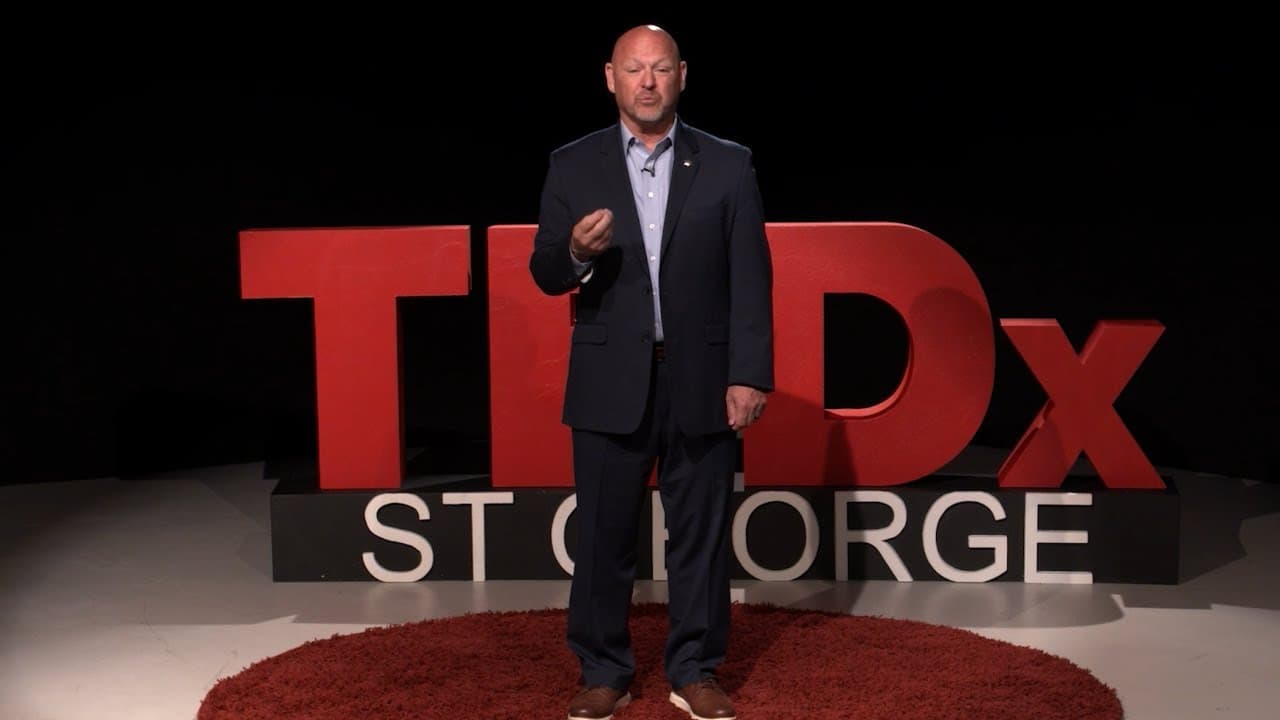
Saving Police & Restoring Community Trust with Emotional Intelligence | Michael Goold | TEDxStGeorge
TL;DR
Emotional Intelligence (EQ) training for police officers can prevent conflicts and improve community trust.
Transcript
[Applause] every 6 to8 weeks a police department responded to the same house for a domestic violence situation where a boyfriend assaulted his girlfriend he always went to jail and he always fought with officers sometimes it would take five or six officers just to get him handcuffed and transported to jail but the last time he was arrested he still... Read More
Key Insights
- 👮 Emotional intelligence training can help police officers deescalate conflicts and build trust within communities.
- ✋ Understanding and regulating emotions are crucial skills for law enforcement to effectively navigate high-stress situations.
- 👮 EQ training can prevent burnout and reduce incidents of excessive force and misconduct among police officers.
- 🤩 Recognizing, understanding, labeling, expressing, and regulating emotions are key components of emotional intelligence training for police.
- 👮 Introducing emotional intelligence in police academies can better prepare officers for handling various emotions and situations in the field.
- 🥺 Emotional intelligence is a valuable asset in policing, as it can lead to better decision-making and improved public safety outcomes.
- 👮 Integrating EQ training in law enforcement organizations can contribute to fewer conflicts, increased community trust, and better overall policing practices.
Install to Summarize YouTube Videos and Get Transcripts
Explore YouTube Video Summarizer or Get YouTube Transcript Extractor
Questions & Answers
Q: How can emotional intelligence training benefit police officers?
Emotional intelligence training can help officers deescalate conflicts, build trust in communities, prevent burnout, and improve their overall well-being by understanding and regulating emotions effectively.
Q: Why is emotional intelligence crucial in law enforcement?
Emotional intelligence is vital in law enforcement as it helps officers handle stressful situations, navigate conflicts, and build positive relationships with the community, ultimately leading to more effective policing.
Q: How can emotional intelligence be integrated into police academies?
Emotional intelligence can be integrated into police academies by including EQ training modules focusing on recognizing, understanding, and regulating emotions, along with practical exercises to apply these skills in real-life scenarios.
Q: What are the benefits of incorporating EQ training in law enforcement organizations?
Incorporating EQ training in law enforcement organizations can result in reduced conflicts, improved officer well-being, enhanced community relations, and decreased incidents of excessive force and misconduct.
Summary & Key Takeaways
-
A former police chief advocates for emotional intelligence training in law enforcement to prevent conflicts and build trust in communities.
-
EQ helps officers deescalate conflicts, understand their own emotions, and regulate their reactions in stressful situations.
-
Recognizing, understanding, labeling, expressing, and regulating emotions are key components of EQ training for police.
Read in Other Languages (beta)
Share This Summary 📚
Summarize YouTube Videos and Get Video Transcripts with 1-Click
Try YouTube Summary with ChatGPT & Claude or YouTube Transcript Generator
Explore More Summaries from TEDx Talks 📚






Summarize YouTube Videos and Get Video Transcripts with 1-Click
Try YouTube Summary with ChatGPT & Claude or YouTube Transcript Generator