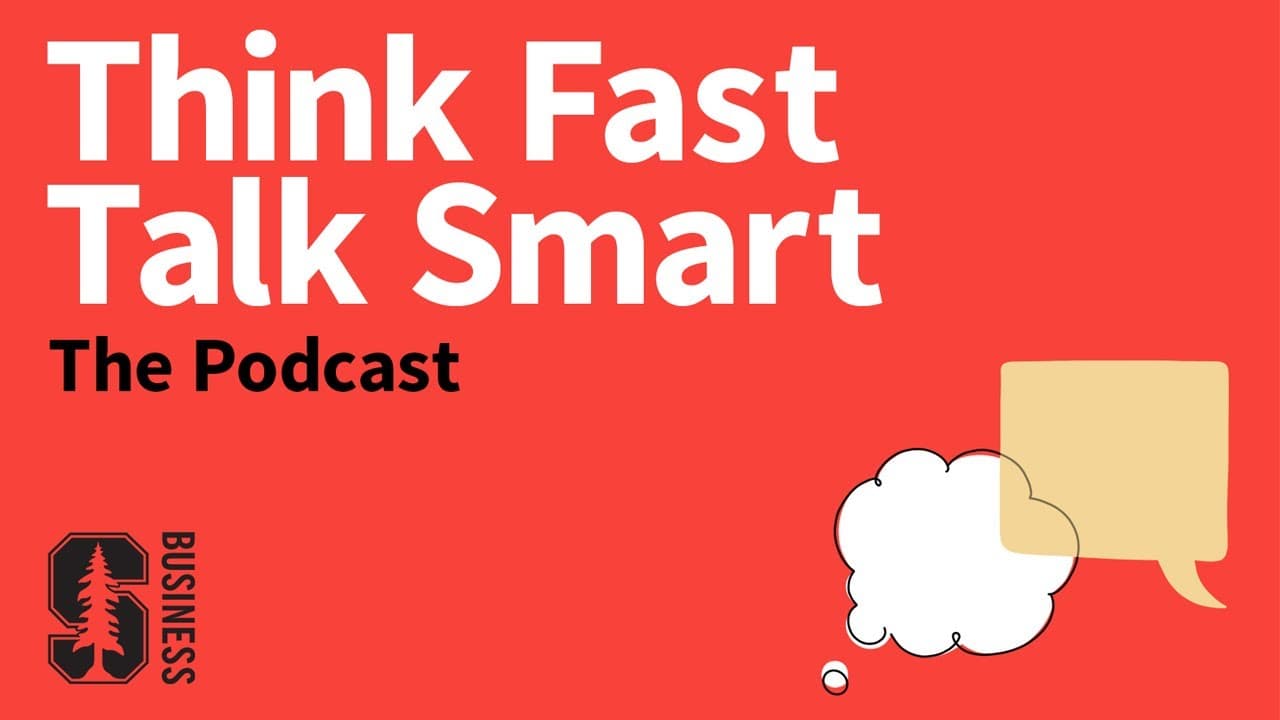
40. The New Normal: How Hybrid Work Actually Works
TL;DR
The podcast discusses the transition to a hybrid work model and the importance of flexibility, experimentation, and effective leadership and communication in this new work environment.
Transcript
Support for Think Fast, Talk Smart comes from Stanford Continuing Studies. Stanford Continuing Studies offers over 150 online classes on a wide range of topics from art history to AI, wellness to writing, as well as courses on business and communication. Fall registration opens August 16th and is open to all adult learners everywhere. Most classes ... Read More
Key Insights
- 🧑💼 The future of work is likely to involve hybrid models, with a combination of remote and in-office work.
- 💗 Flexibility is crucial, as employees have grown accustomed to the benefits of remote work and may seek similar arrangements in the future.
- 💦 Successful implementation of hybrid work requires experimentation, as organizations navigate the challenges of integration, equity, and effective onboarding.
- 💦 Leadership plays a critical role in communicating the organization's vision, maintaining culture, and adapting to the unique dynamics of hybrid work.
Install to Summarize YouTube Videos and Get Transcripts
Explore YouTube Video Summarizer or Get YouTube Transcript Extractor
Questions & Answers
Q: What does hybrid work mean in practice?
Hybrid work involves a mix of in-office and remote work arrangements, which could vary from fully remote roles to employees spending some days in the office and others at home or in co-working spaces.
Q: What advantages can hybrid work bring?
Hybrid work allows for increased flexibility, which many employees have come to value during the pandemic. This flexibility can improve work-life balance and retention rates.
Q: What are the potential pitfalls of hybrid work?
One concern is the potential for inequities between in-office and remote employees, with in-office workers having better access to information, mentoring, and social connections. Onboarding new employees and facilitating their learning and integration into the organization can also be more challenging in a hybrid work setting.
Q: How can leaders and corporate culture adapt to remote and virtual work?
Leaders must communicate their vision and reinforce the organization's culture in a hybrid work environment, relying more on virtual tools and creative communication strategies. It is essential to be adaptable, experiment with new methods of evaluation, coordination, and technology, and consider different needs based on job roles and project stages.
Summary & Key Takeaways
-
The podcast explores the concept of hybrid work, where employees split their time between remote work and going into the office. The specific dynamics of hybrid work are yet to be determined but could involve various combinations of in-office and remote work.
-
The pandemic has shown that many employees can be highly productive while working from home, leading to a demand for more flexibility in work arrangements. Organizations that fail to offer flexibility may struggle with recruitment and retention.
-
Successful hybrid work requires flexibility and experimentation, as each organization and job role may have different needs. Maintaining equity and integration between in-office and remote employees, as well as effective onboarding for new hires, are important challenges to address.
Read in Other Languages (beta)
Share This Summary 📚
Summarize YouTube Videos and Get Video Transcripts with 1-Click
Try YouTube Summary with ChatGPT & Claude or YouTube Transcript Generator
Explore More Summaries from Stanford Graduate School of Business 📚


Summarize YouTube Videos and Get Video Transcripts with 1-Click
Try YouTube Summary with ChatGPT & Claude or YouTube Transcript Generator