Sex Work
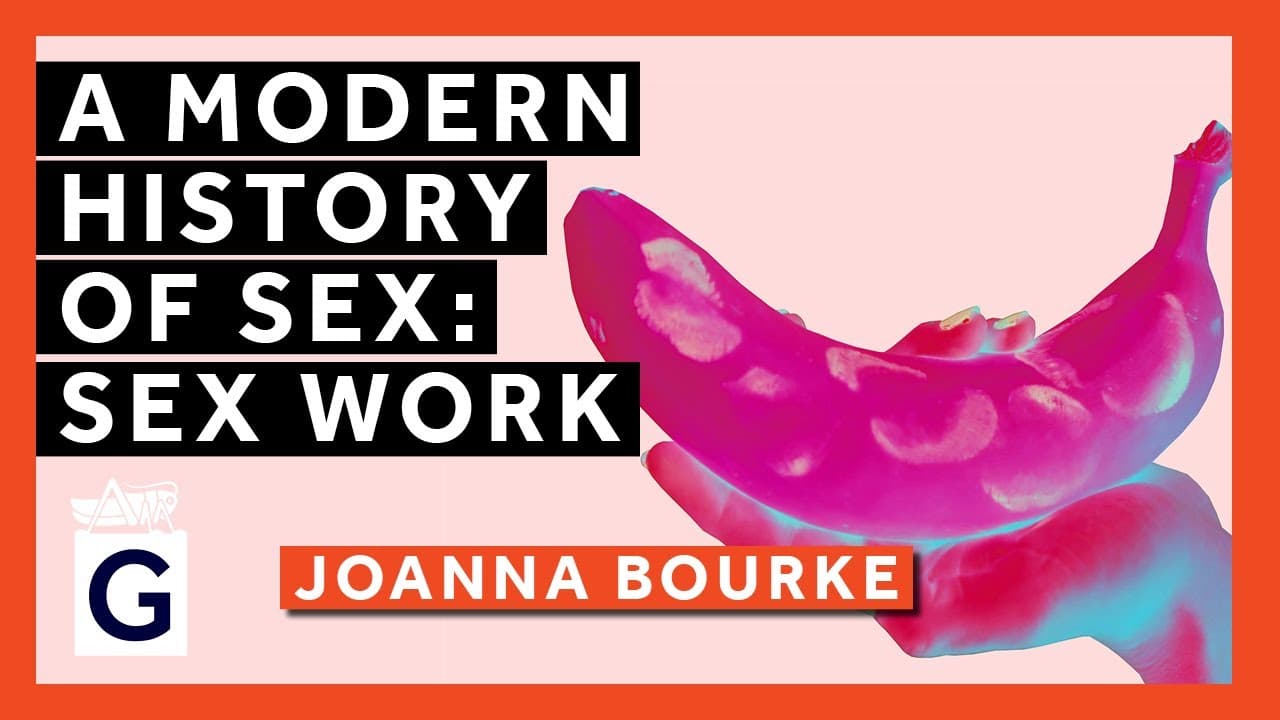
TL;DR
Historical debates on the ownership of a woman's body highlight class, gender, and sexual exploitation.
Transcript
- To whom does a woman's body belong? And I'm going to look at this primarily from historical perspective. So historical debates that I'm going to be addressing include such things as 19th century debates about, is marriage prostitution? Are girls and women animals, dogs in particular? How have journalists used sensationalism, used Gothic fiction, ... Read More
Key Insights
- 👩⚕️ Class distinctions influenced historical debates on the ownership of a woman's body, particularly in relation to sex work.
- 💦 Religious and moralistic beliefs shaped the discourse on sex work, intersecting with issues of race, gender, and economic exploitation.
- ✊ Societal power imbalances were perpetuated through the historical discourse on women's bodies, highlighting the need to consider intersectionality in understanding these debates.
Install to Summarize YouTube Videos and Get Transcripts
Explore YouTube Video Summarizer or Get YouTube Transcript Extractor
Questions & Answers
Q: How did historical debates over women's bodies intersect with class distinctions?
In the 19th century, discussions on women's bodies were heavily influenced by class distinctions, with working-class women facing heightened scrutiny and stigmatization in relation to prostitution.
Q: How did religion and moralistic beliefs shape the discourse on sex work in the 19th century?
Religious and moralistic beliefs were central in discussions surrounding sex work, particularly with movements led by evangelicals and conservatives aiming to combat the perceived harms of prostitution.
Q: How did historical debates on the ownership of a woman's body intersect with issues of race and gender?
Race and gender played significant roles in historical debates on women's bodies, with discussions highlighting the societal power dynamics that marginalized women from different backgrounds faced in relation to ownership and control of their bodies.
Q: How did the 19th-century discourse on sex work perpetuate societal power imbalances?
The discourse on sex work in the 19th century perpetuated societal power imbalances by targeting working-class women, reinforcing class distinctions and aligning with religious and moralistic beliefs that often overlooked the intersectionality of race, gender, and economic exploitation.
Summary & Key Takeaways
-
In the 19th century, debates over women's bodies centered around ownership and control, highlighting moral, social, and political concerns.
-
Class distinctions played a significant role in discussions about prostitution, with working-class women facing heightened scrutiny and stigma.
-
Religious and moralistic beliefs fueled the discourse on sex work, intersecting with issues of race, gender, and economic exploitation.
Read in Other Languages (beta)
Share This Summary 📚
Summarize YouTube Videos and Get Video Transcripts with 1-Click
Try YouTube Summary with ChatGPT & Claude or YouTube Transcript Generator
Explore More Summaries from Gresham College 📚

Summarize YouTube Videos and Get Video Transcripts with 1-Click
Try YouTube Summary with ChatGPT & Claude or YouTube Transcript Generator