What Is Tanabata and How Is It Celebrated in Japan?
TL;DR
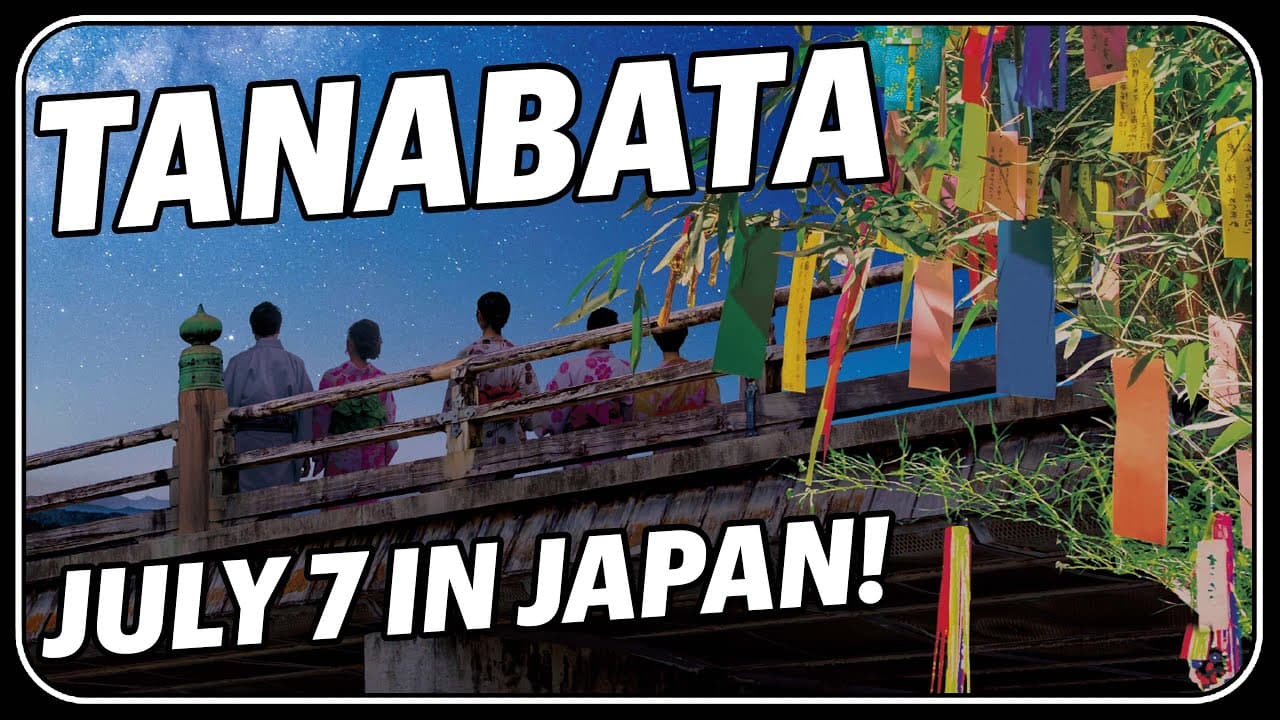
Tanabata, known as the Star Festival in Japan, is celebrated annually on July 7th and is based on the legend of star-crossed lovers Orihime and Hikoboshi. Festivities include wearing traditional attire, playing games, making wishes on tanzaku papers, and enjoying fireworks, with rain on Tanabata seen as a sign of the lovers' tears.
Transcript
this is GTV it's written in the stars every year on the seventh day of the seventh month of the year the people of Japan celebrate a holiday known as Tanabata in English Tanabata is often called the star festival the holiday is based on the ancient Chinese legend that the stars Vega and Altair are able to meet on this day while being separated by t... Read More
Key Insights
- Tanabata is a Japanese festival celebrated on July 7th, based on the Chinese legend of star-crossed lovers Vega and Altair meeting once a year across the Milky Way.
- The festival originated in China and was introduced to Japan during the Nara period in the 6th century, blending with local traditions over time.
- Central to the Tanabata story are Orihime and Hikoboshi, whose love was so strong it caused them to neglect their duties, leading to their annual reunion being restricted by Orihime's father.
- Celebrations include wearing traditional attire like kimono or yukata, playing carnival games, and enjoying summertime foods, with some regions holding fireworks displays.
- People write wishes on tanzaku papers and hang them on bamboo trees, which are later sent down rivers, symbolizing hopes for the future.
- The festival is a time for young adults to wish for love and older adults to wish for continued happiness in marriage.
- Rain on Tanabata is considered unlucky, symbolizing the tears of Orihime and Hikoboshi, and a clear starry night is much hoped for.
- While traditionally celebrated on July 7th, some regions in Japan observe Tanabata in August, aligning it with the Obon festival.
Install to Summarize YouTube Videos and Get Transcripts
Explore YouTube Video Summarizer or Get YouTube Transcript Extractor
Questions & Answers
Q: What is the origin of the Tanabata festival?
Tanabata originated from an ancient Chinese legend about two star-crossed lovers, Vega and Altair, who are allowed to meet once a year across the Milky Way. This story was introduced to Japan during the Nara period in the 6th century and has since become a significant cultural event.
Q: How do people traditionally celebrate Tanabata in Japan?
During Tanabata, people in Japan celebrate by wearing traditional clothing such as kimono or yukata, playing carnival-like games, and enjoying summertime foods. They also write wishes on tanzaku papers and hang them on bamboo trees, later sending them down rivers to symbolize hopes for the future.
Q: What is the significance of tanzaku in Tanabata celebrations?
Tanzaku are small pieces of paper on which people write their wishes during Tanabata. These papers are hung on bamboo trees and represent hopes for the future. The tradition involves sending the bamboo with the tanzaku down a river, symbolizing the desire for these wishes to come true.
Q: Why is rain considered unlucky during Tanabata?
Rain on Tanabata is considered unlucky because it symbolizes the tears of the star-crossed lovers, Orihime and Hikoboshi, who can only meet once a year. A clear, starry night is hoped for, as it signifies a successful reunion of the lovers and a good omen for the wishes made during the festival.
Q: What role do Orihime and Hikoboshi play in the Tanabata legend?
Orihime and Hikoboshi are central figures in the Tanabata legend. Orihime, represented by the star Vega, was a weaver, while Hikoboshi, represented by Altair, was a cowherd. Their love was so profound that it led them to neglect their duties, resulting in them being allowed to meet only once a year.
Q: How does Tanabata connect with the Obon festival in some regions?
In some regions of Japan, Tanabata is celebrated in August, aligning with the Obon festival. This connection is due to the traditional Chinese lunar calendar, where the seventh day of the seventh month falls in August. The timing allows for a blend of Tanabata and Obon traditions in those areas.
Q: What are some modern adaptations of Tanabata celebrations?
Modern adaptations of Tanabata include large cities hosting fireworks displays and themed events, such as Tokyo Disneyland's Tanabata celebration, where characters like Mickey and Minnie dress as Orihime and Hikoboshi. These adaptations bring contemporary elements to the traditional festival, attracting a wider audience.
Q: Why is Tanabata considered a romantic festival?
Tanabata is considered a romantic festival because it centers around the love story of Orihime and Hikoboshi, who are allowed to meet only once a year. The festival embodies themes of love and reunion, with many participants wishing for love and happiness in their personal lives, making it a celebration of romance.
Summary & Key Takeaways
-
Tanabata, celebrated on July 7th in Japan, is rooted in a Chinese legend about the stars Vega and Altair, representing lovers Orihime and Hikoboshi. The festival includes wearing traditional clothing, playing games, and making wishes on tanzaku papers that are hung on bamboo trees.
-
During Tanabata, people hope for a clear night to see the stars, as rain symbolizes the lovers' tears. The festival is a blend of Chinese and Japanese traditions, with some regions celebrating in August, connecting it to the Obon festival.
-
Tanabata festivities include fireworks, traditional foods, and decorations. The festival is a time for young people to wish for love and for married couples to wish for happiness, symbolized by sending bamboo with wishes down rivers.
Read in Other Languages (beta)
Share This Summary 📚
Summarize YouTube Videos and Get Video Transcripts with 1-Click
Try YouTube Summary with ChatGPT & Claude or YouTube Transcript Generator