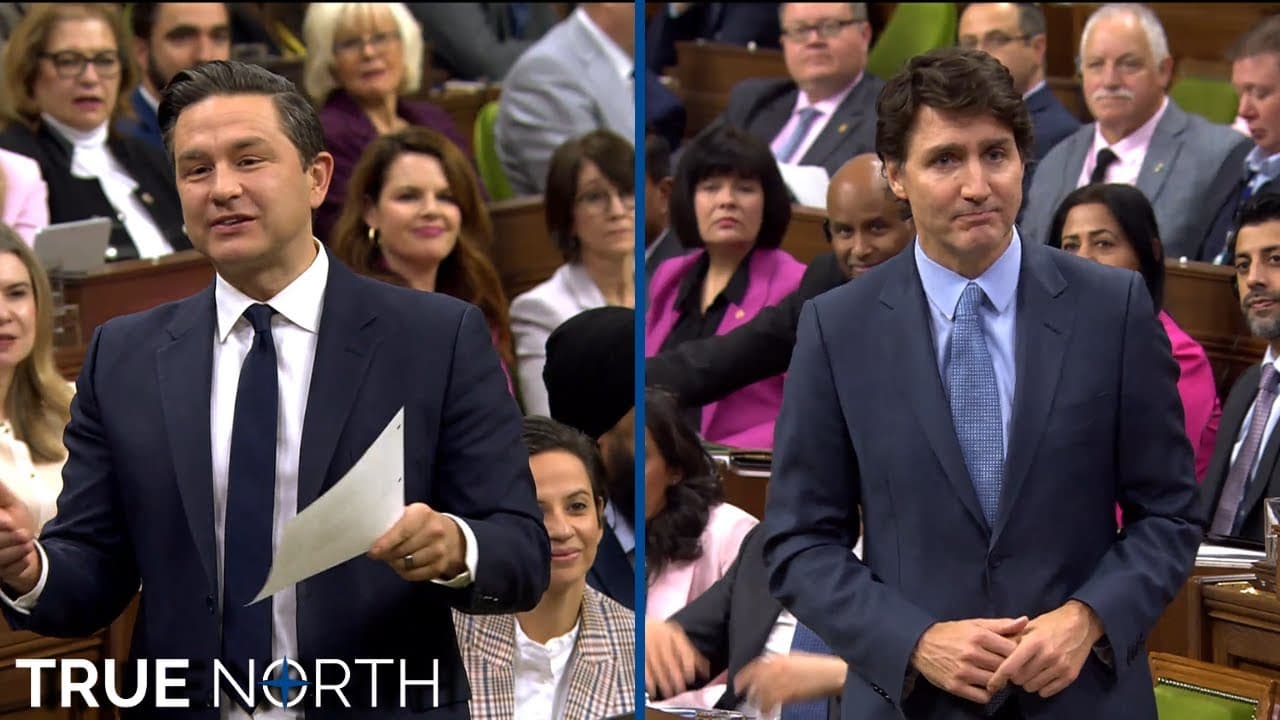
ANOTHER Carbon Tax Hike? Poilievre and Trudeau face-off in Question Period
TL;DR
The Prime Minister defends the carbon tax amid opposition claims of financial burden on families.
Transcript
to a the tax this prime minister wants to hike the tax first of all he wants to quadruple it between now and 2030 on on April 1st he plans to hike it by 23% with the support of the NDP the tax hike will be bigger than any increases in the rebate and therefore people will have be bigger the average families in all the provinces will be bigger net lo... Read More
Key Insights
- 🤨 The carbon tax increase represents a significant fiscal shift that aims to address climate change but raises concerns about its immediate effects on families.
- 👮 Evidence presented by the Parliamentary budget officer is crucial in understanding the potential economic impact of the carbon tax on average households.
- 😮 The government emphasizes long-term investment in carbon reduction technologies as a pathway to economic resilience, benefiting families currently facing rising costs.
- 👪 Opposition critiques highlight the necessity for transparency and accountability in how tax revenues and rebates are calculated and distributed among families.
- 🎯 There is a stark divide in opinions regarding the effectiveness of fiscal measures targeting carbon emissions as both a climate solution and a financial burden.
- 😀 Statistics from regions like Alberta and Manitoba are used to showcase the variances in how carbon tax affects families, with each province facing unique economic challenges.
- 😨 The public sentiment reflects increasing concern over climate crises, with calls for urgent action contrasted against fears of financial inadequacy brought by taxation policies.
Install to Summarize YouTube Videos and Get Transcripts
Explore YouTube Video Summarizer or Get YouTube Transcript Extractor
Questions & Answers
Q: What is the planned increase in the carbon tax, and when will it take effect?
The planned increase in the carbon tax is set at 23%, scheduled to take effect on April 1st. Prime Minister's proposal implies significant hikes over the next several years, aiming to quadruple the tax by 2030, which is being met with substantial opposition.
Q: How does the government justify the carbon tax amidst criticism?
The government argues that the carbon tax is designed not only to combat climate change but also to provide rebates that financially support families. They assert that eight out of ten families will benefit more from these rebates than they will from the taxes paid, easing financial pressure in light of ecological concerns.
Q: What specific figures does the opposition cite regarding family expenses related to the carbon tax?
The opposition points to specific figures provided by the Parliamentary budget officer, stating that in Ontario, the average family will incur a carbon tax cost of $1,674 next year, which exceeds the rebate they are expected to receive, leading to a net financial loss for such households.
Q: What arguments does the Prime Minister present regarding climate change?
The Prime Minister emphasizes the urgency of addressing climate change by citing recent natural disasters like wildfires and floods. He proposes the carbon tax as a necessary measure to not just impose costs but to drive investment in green technologies and ultimately create jobs while providing rebates to assist families.
Q: What are the sentiments expressed about climate change during the debate?
Throughout the debate, both leaders reflect different perspectives on climate change. The Prime Minister shows concern for rising environmental issues and emphasizes the need for action and innovation, while the opposition critiques the carbon tax's financial implications, arguing it exacerbates the financial strains on everyday Canadians.
Q: How frequently do families receive the rebates, and what do they consist of?
Families receiving the carbon rebate are set to get checks four times a year. This rebate is aimed at offsetting the costs associated with the carbon tax, promoting fairness in taxation while trying to ensure that families are financially supported rather than burdened by environmental initiatives.
Summary & Key Takeaways
-
The Prime Minister is facing criticism and questions from the opposition regarding proposed carbon tax increases, which are set to happen on April 1st, with claims that it will financially harm families across Canada.
-
The government argues that eight out of ten Canadian families will receive more back in carbon rebates than they will pay from carbon taxes, providing financial support amid rising costs of living.
-
The opposition challenges these claims with reports from the Parliamentary budget officer, suggesting that many families will end up worse off financially due to the carbon tax, emphasizing the need for transparency and accurate reporting.
Read in Other Languages (beta)
Share This Summary 📚
Summarize YouTube Videos and Get Video Transcripts with 1-Click
Try YouTube Summary with ChatGPT & Claude or YouTube Transcript Generator
Explore More Summaries from True North 📚





Summarize YouTube Videos and Get Video Transcripts with 1-Click
Try YouTube Summary with ChatGPT & Claude or YouTube Transcript Generator