What Is Ancient Greek Theatre and Its Significance?
TL;DR
Ancient Greek theatre, notably performed at the Theater of Dionysus, was a vital blend of religious worship and civic ceremony. It featured tragedies and comedies written by aristocrats and performed by trained actors and citizen choruses during the Great Dionysia festivals, showcasing a unique combination of spoken dialogue, singing, and choreography.
Transcript
one of the things that the ancient Athenians were and remained most famous for is their amazing theater their tragedies and comedies that are still played on the stages of the world all over the planet today if you go to Athens today if you go up to the Acropolis that you can actually see the horseshoe shape of the theatre of Dionysus now that's a ... Read More
Key Insights
- 🖐️ The theater of Dionysus in Athens was a significant cultural and religious center, showcasing plays during annual festivals like the Great Dionysia.
- 🧑🏭 Ancient Athenian theater involved a blend of religious worship, civic ceremony, and highly skilled performances by trained actors and citizen choruses.
- 🖐️ Aristocratic Athenians wrote the plays, while professional actors from theatrical families and citizen choruses performed in the ancient plays.
- 🗣️ Ancient Greek theater featured a mix of vocal delivery, singing, and choreography, akin to a combination of opera, ballet, and spoken theater.
- 🤢 The theater of Dionysus had a horseshoe shape with stone seats, demonstrating the evolution of theatrical spaces in ancient Athens.
- 🎆 The festivals and rituals surrounding ancient Athenian theater were elaborate and involved sacrifices, reflecting the cultural and religious significance of the performances.
- 🎭 Ancient Greek tragedy was a form of musical theater, incorporating song and spoken dialogue to create a unique theatrical experience.
Install to Summarize YouTube Videos and Get Transcripts
Explore YouTube Video Summarizer or Get YouTube Transcript Extractor
Questions & Answers
Q: What were the main festivals for performing plays in ancient Athenian theater?
The main festivals were the Great Dionysia, dedicated to the god Dionysus, where plays were performed as part of worship, featuring three tragedians and three comic writers competing over three days.
Q: Who typically wrote the plays performed in ancient Athenian theater?
The plays were written by aristocratic Athenians who had received extensive education, while the chorus consisted of ordinary citizen men, likely trained in military-style drills for harmony.
Q: How were actors trained for performances in ancient Athenian theater?
Actors in ancient Athenian theater, often from theatrical family backgrounds, received rigorous training in vocal delivery, singing, and choreography to project their voices in large open-air theaters.
Q: What was the significance of the masks worn by actors in ancient Greek tragedy?
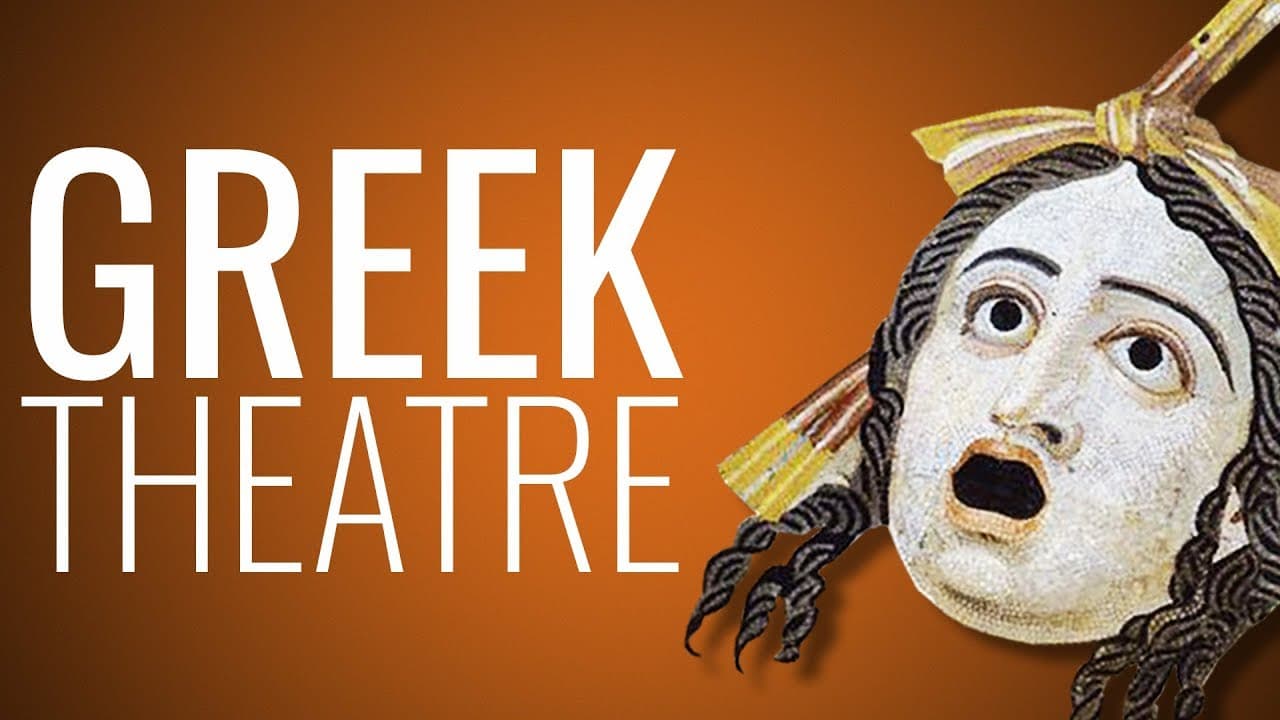
Masks were crucial in ancient Greek theater as they helped amplify the actors' voices in large outdoor spaces and aided in differentiating characters, contributing to the theatrical experience.
Summary & Key Takeaways
-
The theater of Dionysus in Athens, built in the 4th century BC, featured stone seats surrounding a central circular stage used for plays during the annual Dionysia festivals.
-
Plays were a combination of religious worship and civic ceremony, where aristocratic Athenians wrote tragedies performed by professional actors and citizen choruses.
-
Ancient Greek theater involved highly trained actors from specific theatrical families, showcasing a mix of vocal delivery, singing, and choreography in open-air spaces.
Read in Other Languages (beta)
Share This Summary 📚
Summarize YouTube Videos and Get Video Transcripts with 1-Click
Try YouTube Summary with ChatGPT & Claude or YouTube Transcript Generator
Explore More Summaries from Gresham College 📚

Summarize YouTube Videos and Get Video Transcripts with 1-Click
Try YouTube Summary with ChatGPT & Claude or YouTube Transcript Generator