The Science Behind Football's First-Down Line
TL;DR
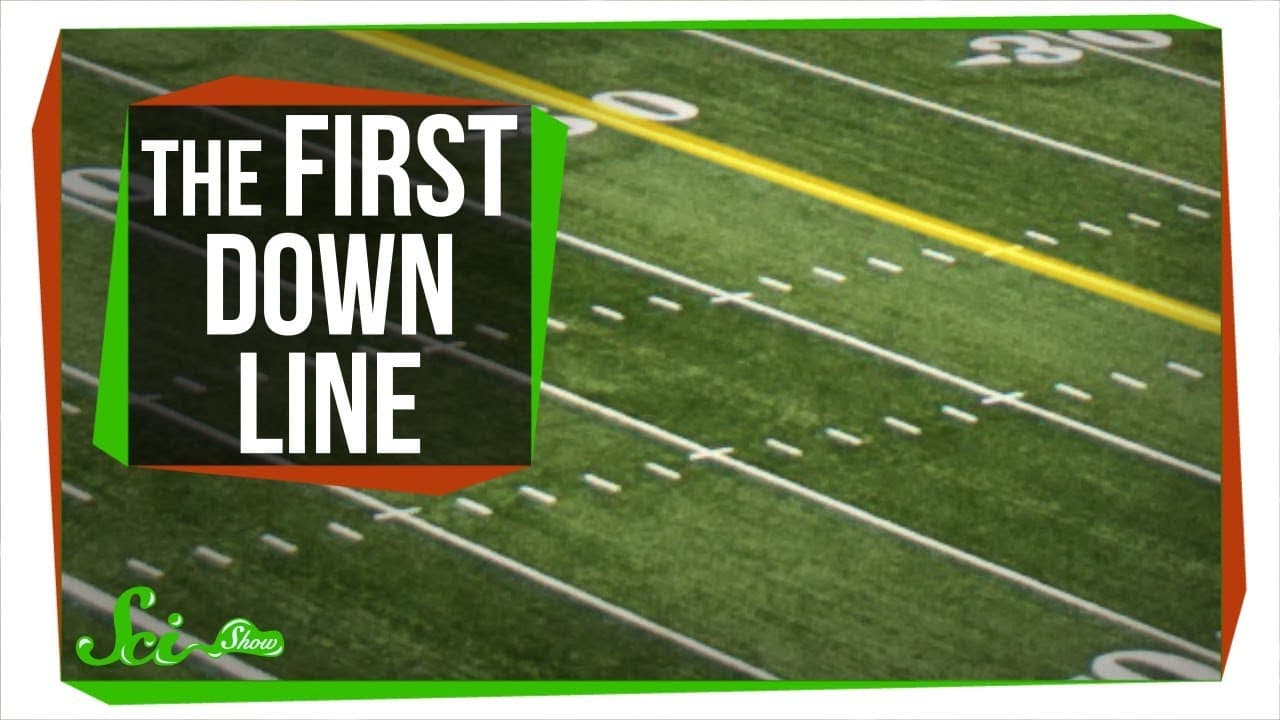
Football broadcast graphics, from scores to first-down lines, are advanced computer-generated images tailored to each field.
Transcript
It’s football season -- American football, that is. That means that the nation’s most popular sport will be streaming into millions of homes and onto millions of screens around the country. But people watching at home don’t just see carbon-copies of the live game: They get graphics -- everything from the score to the subtle yellow lines marking the... Read More
Key Insights
- 🏈 Football broadcast graphics are generated using advanced technology tailored to each field for accuracy and realism.
- 🥡 Detailed 3D measurements of fields are taken to ensure accurate placement and shape of graphics.
- 🎥 Sensors in TV cameras provide data for accurate projection of graphics based on camera perspectives.
- 🏑 Graphics algorithm replaces specific colors on the field to maintain realism without affecting players.
- 🏈 Careful programming and modeling go into each frame of football streaming to ensure seamless graphics integration.
- 🫵 Football broadcast graphics enhance viewer experience by providing informative and visually appealing visuals.
- 🖐️ Luck may play a role in athletes' performance, as explored in other SciShow episodes.
Install to Summarize YouTube Videos and Get Transcripts
Explore YouTube Video Summarizer or Get YouTube Transcript Extractor
Questions & Answers
Q: How do computers create realistic first-down lines in football broadcasts?
Computers use detailed 3D measurements of each field to accurately project the first-down line ten yards ahead, replacing specific colors on the field without affecting players.
Q: What role do sensors in TV cameras play in generating football graphics?
TV camera sensors report their position and angle to computers, allowing for precise projection of graphics based on the camera's perspective.
Q: Why do some versions of the algorithm avoid drawing over players in football broadcasts?
To prevent covering players, algorithms track and avoid areas that have changed significantly since the last frame, like player movements.
Q: What makes football broadcast graphics so convincing to viewers?
Advanced modeling, meticulous color replacement, and careful programming ensure graphics seamlessly blend with live footage, enhancing the viewing experience.
Summary & Key Takeaways
-
Football broadcast graphics range from simple score boxes to intricate first-down lines.
-
Advanced technology replaces pixels to display graphics seamlessly on live footage.
-
Detailed 3D measurements of every field are used to create accurate and convincing graphics.
Read in Other Languages (beta)
Share This Summary 📚
Summarize YouTube Videos and Get Video Transcripts with 1-Click
Try YouTube Summary with ChatGPT & Claude or YouTube Transcript Generator
Explore More Summaries from SciShow 📚


Summarize YouTube Videos and Get Video Transcripts with 1-Click
Try YouTube Summary with ChatGPT & Claude or YouTube Transcript Generator