Phil's First Party Parlay - Business Interruption With Josh Autry
TL;DR
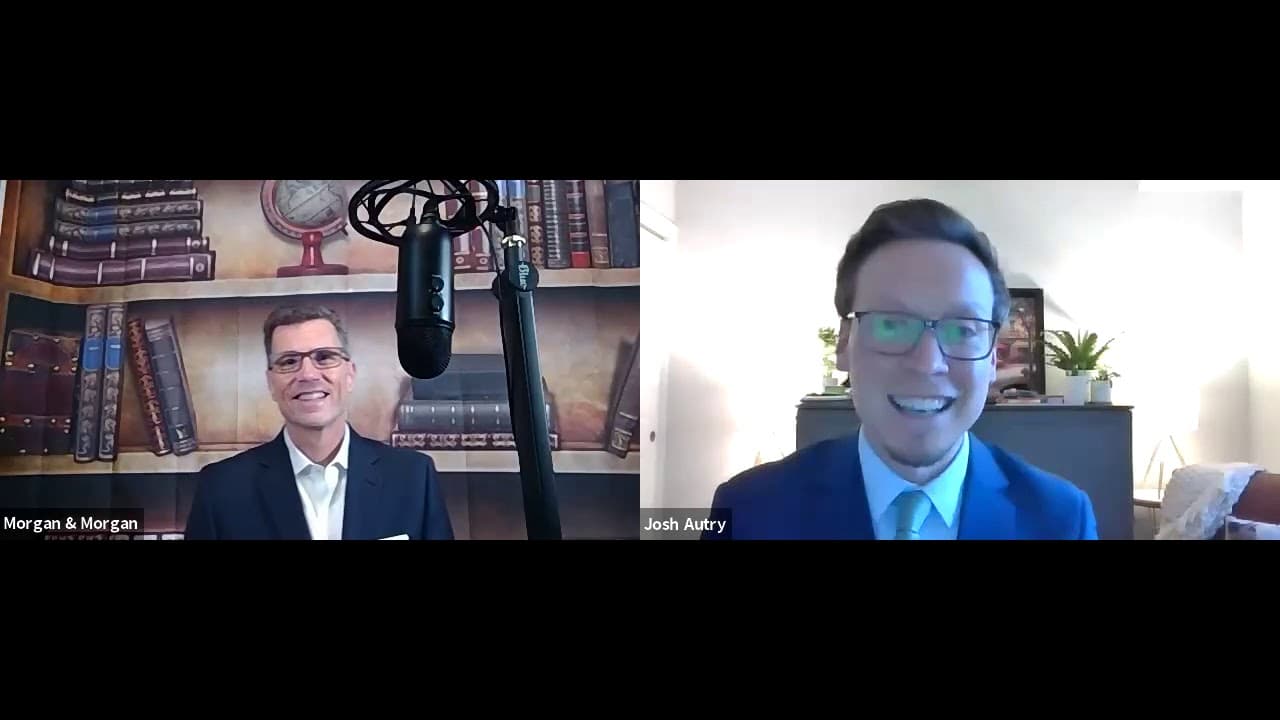
This video discusses the topics of business interruption claims and insurance coverage, including the steps policyholders should take, common denials, and the impact of virus exclusions.
Transcript
- All right, and we are live. Welcome to Phil's first party parlay where we talk all things timely and topical in the insurance restoration industry. I'm Phil Sanov, trial lawyer with Morgan & Morgan Insurance Recovery Group At Morgan and Morgan, we have 55 of the best first parlay lawyers you would ever wanna know. We are in 25 offices in 13 state... Read More
Key Insights
- 📁 Policyholders should file a claim even if their agent advises against it, as the agent's opinion may not be accurate or reflective of the actual coverage.
- 👨💼 Insurers commonly deny business interruption claims by arguing that there was no physical loss or damage to the property or no outbreak on the premises.
- 🛝 Some policies may have virus or disease coverage, but insurers have still been denying claims based on other grounds.
- 👨💼 Damages for business interruption claims usually include net profit and ongoing expenses.
- ❓ Policyholders should carefully review their policies, as there may be potential exclusions that can be challenged in court.
- 🙈 Businesses that have not experienced a loss or have seen an increase in revenue may not need to file a claim.
Install to Summarize YouTube Videos and Get Transcripts
Explore YouTube Video Summarizer or Get YouTube Transcript Extractor
Questions & Answers
Q: Should policyholders file a claim even if their agent advises against it?
Yes, policyholders should file a claim regardless of their agent's opinion. Agents may not be insurance experts and could be mistaken about whether a claim is valid or not. It is essential to go through the claim process to assess its viability.
Q: What factors are insurers using to deny business interruption claims during the COVID-19 pandemic?
Insurers commonly deny claims by arguing that there was no physical loss or damage to the property. They may claim that closure due to a pandemic or government order does not constitute physical loss or damage. Another denial reason is the absence of an outbreak on the policyholder's property.
Q: Are there any policy exclusions that might affect business interruption coverage?
Some policies may have virus or disease coverage, for which policyholders pay an additional premium. However, insurers have been denying claims based on other grounds, such as the alleged lack of physical loss or damage. It is recommended for policyholders to file a claim regardless and have it assessed.
Q: What types of businesses might not need to file a claim for business interruption coverage?
Businesses that have not experienced any loss or have seen an increase in revenue, such as online delivery services, may not need to file a claim. However, the majority of businesses negatively affected by the pandemic should consider filing a claim.
Summary & Key Takeaways
-
The video features Phil Sanov and Josh Autry from Morgan & Morgan Insurance Recovery Group discussing business interruption claims and insurance coverage.
-
They explain that policyholders should file a claim even if their agent advises against it, as the agent's opinion may not be accurate. It is important to go through the claim process and receive a denial in order to assess the claim's validity.
-
The main focus is on three points: what policyholders should do, the main denial reasons for coronavirus-related claims, and the impact of virus exclusions.
Read in Other Languages (beta)
Share This Summary 📚
Summarize YouTube Videos and Get Video Transcripts with 1-Click
Try YouTube Summary with ChatGPT & Claude or YouTube Transcript Generator
Explore More Summaries from Morgan & Morgan 📚
Summarize YouTube Videos and Get Video Transcripts with 1-Click
Try YouTube Summary with ChatGPT & Claude or YouTube Transcript Generator