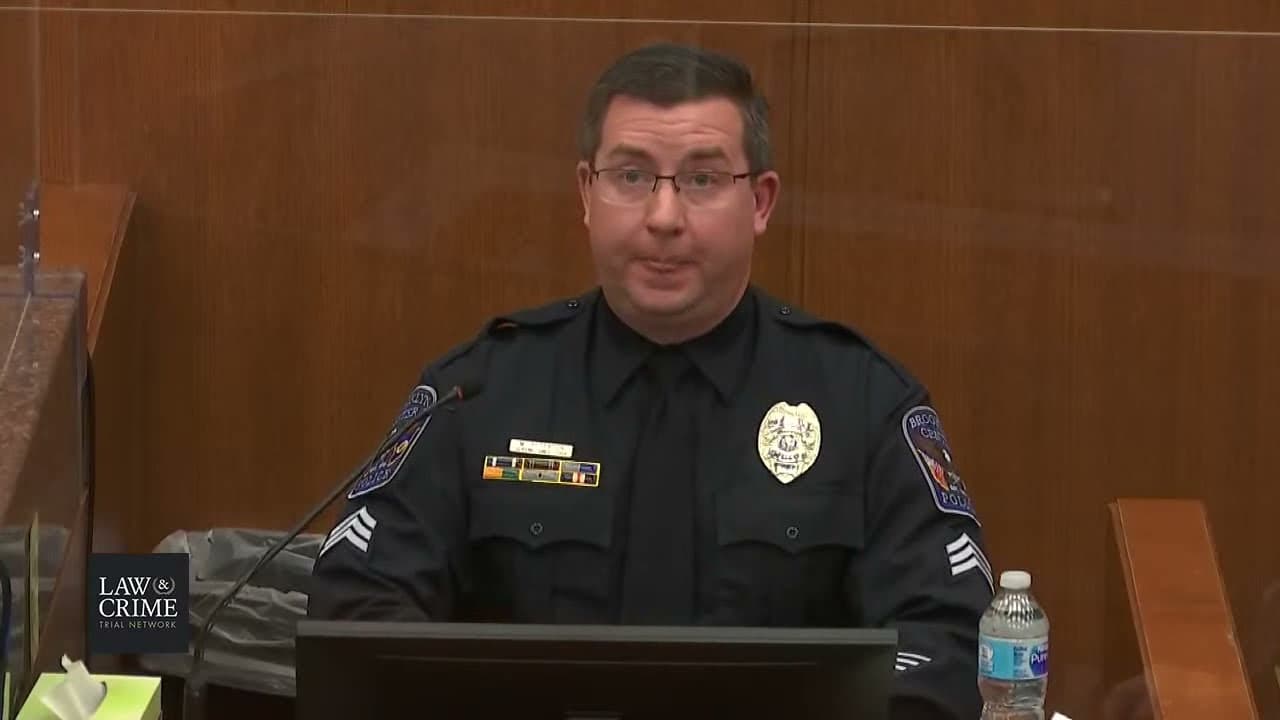
MN v. Kim Potter Trial Day 5 - Sgt. Mike Peterson - Use-of-force Instructor
TL;DR
Police sergeant explains taser training procedures, safety precautions, and policy compliance.
Transcript
so so okay his council ready all right thank you deputy please be seated state may call it smith's witness thank you call sergeant mike peterson okay sergeant please come forward uh stand behind the witness chair a seat and then state your full name yes take your mask off sergeant mike peterson m i k e p e t e r s all right sergeant the court repor... Read More
Key Insights
- 😒 Taser training emphasizes safety, target considerations, and policy compliance for effective use.
- 🔫 Proper holstering techniques and distinct markings help prevent weapons confusion between tasers and firearms.
- 💖 Officers perform regular spark function tests to ensure taser operational readiness at the start of each shift.
- 🤗 Adherence to training protocols, including target zones and reaction hand draws, reduces the risk of accidental taser deployment and injury.
- 😒 Reality-based training scenarios enhance officer preparedness for various use-of-force situations.
- 👮 Compliance with taser deployment policies and proficiency training ensures officers are equipped to handle potentially dangerous scenarios effectively.
- ⚠️ The importance of verbal warnings before deploying a taser is highlighted to provide subjects with a final opportunity to comply.
Install to Summarize YouTube Videos and Get Transcripts
Explore YouTube Video Summarizer or Get YouTube Transcript Extractor
Questions & Answers
Q: What is the significance of the spark function test in taser training?
The spark function test ensures the taser is working properly at the start of each shift by activating a 5-second spark test, indicating operational readiness.
Q: How does an officer differentiate between a taser and a firearm during deployment?
Officers are trained to carry tasers on the opposite side of their firearms, use distinctive markings, and engage in specific holstering techniques to avoid weapons confusion.
Q: What are the preferred target zones for deploying a taser on a subject?
The preferred target zones include the front of the subject below the rib cage and the back area from the neck down to reduce the risk of cardiac issues.
Q: How does reality-based training enhance taser use proficiency?
Reality-based training simulates lifelike scenarios, providing officers with practical experience on taser deployment, target considerations, and decision-making under pressure.
Summary & Key Takeaways
-
Sergeant Peterson is a police officer with 16 years of experience, providing insights into taser training procedures.
-
He discusses training requirements, safety protocols, and policy adherence related to taser use.
-
The testimony delves into the importance of proper training, target considerations, and taser deployment best practices.
Read in Other Languages (beta)
Share This Summary 📚
Summarize YouTube Videos and Get Video Transcripts with 1-Click
Try YouTube Summary with ChatGPT & Claude or YouTube Transcript Generator
Explore More Summaries from Law&Crime Network 📚




Summarize YouTube Videos and Get Video Transcripts with 1-Click
Try YouTube Summary with ChatGPT & Claude or YouTube Transcript Generator