WHY RELATIONSHIPS NO LONGER WORK! (All Part Of The Evil Agenda...)
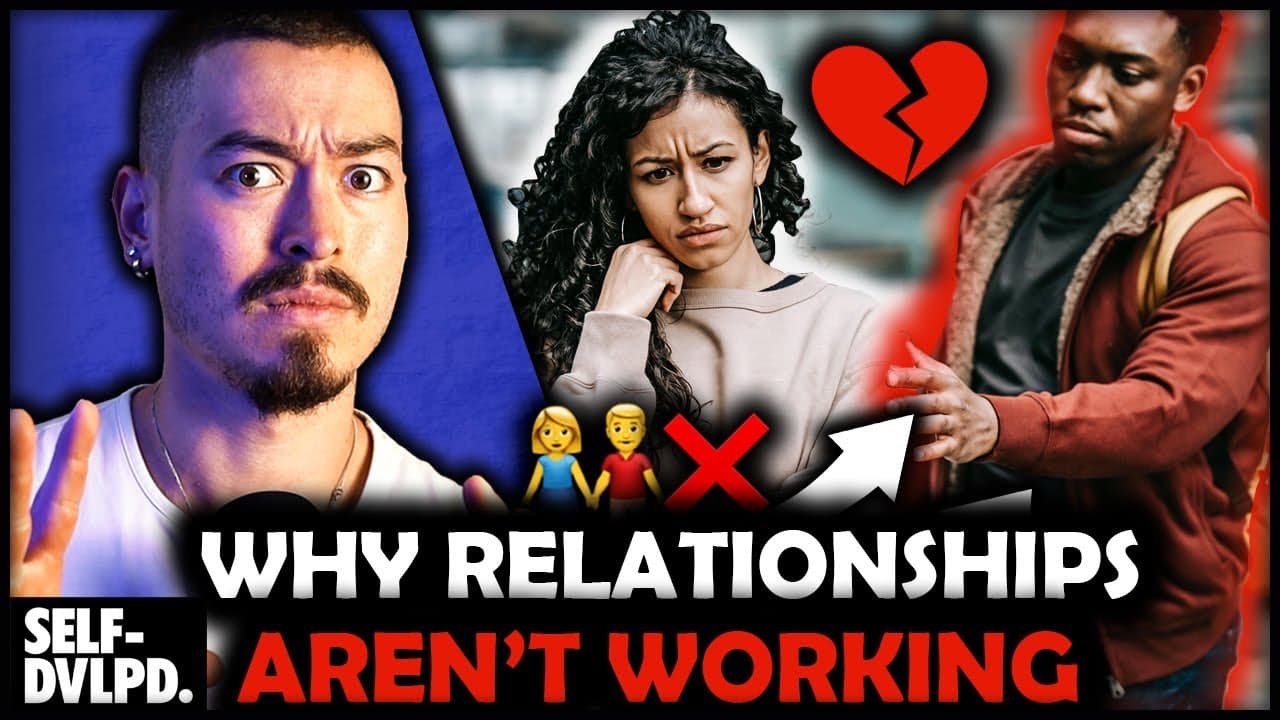
TL;DR
The decline of biblical marriage and its societal impacts are concerning, with inadequate parental guidance exacerbating the issue.
Transcript
yeah so um this big problem we're having right now with the lack of biblical marriage right and like the the degradation that we're seeing in the world because of it a lot of us didn't have great role models as parents to show us what it should be like and I feel like that's like most of what you know is learn from your parents and the big problem ... Read More
Key Insights
- 🖤 The decline in biblical marriage values is strongly tied to a lack of parental guidance, which results in poor role modeling for younger generations.
- 🙈 Divorce, once considered a last resort, is now often seen as a common and acceptable outcome of failed marriages, diminishing its perceived seriousness.
- 🤙 Biblical teachings emphasize that divorce should only occur under specific circumstances, particularly involving infidelity, while calling for a return to the sanctity of marriage.
- 😘 Emphasizing consequences of sin and the importance of a spiritual life is viewed as essential for individuals to recognize the value of commitment in marriage.
- 😘 Statistical evidence suggests that couples who adhere to biblical teachings and remain chaste before marriage experience significantly lower divorce rates.
- 🤵 The speakers advocate for a nurturing environment that honors the institution of marriage and prepares individuals for lifelong commitments.
- 👪 Children from divorced families may suffer long-term emotional and relational challenges, emphasizing the detrimental effects of marital breakdown on future generations.
Install to Summarize YouTube Videos and Get Transcripts
Explore YouTube Video Summarizer or Get YouTube Transcript Extractor
Questions & Answers
Q: What role do parental influences play in shaping perceptions of marriage today?
Parental influences are critical in setting examples for their children regarding marriage. Many individuals today lack strong marital role models, leading to distorted views on relationships. Good role models instill values of commitment and the sanctity of marriage, which are unfortunately fading in modern society.
Q: How has the societal perception of divorce shifted over the years?
Historically, divorce was viewed negatively, seen as a failure in the commitment of marriage. Today, it is often normalized and even glorified in media and societal discussions. This shift devalues the significance of marriage, making it seem like an easily disposable option rather than a lifelong commitment.
Q: What biblical perspective is shared regarding divorce?
The speakers reflect on biblical teachings that state divorce is generally frowned upon, permitted only in cases of sexual immorality. The belief is that divorce should be treated seriously, with a clear understanding of the potential consequences, such as remarriage being equated to adultery unless specific conditions are met.
Q: How do the speakers suggest we can improve marital stability within society?
They argue that instilling a fear of God and understanding the serious implications of sin can significantly reduce divorce rates. Encouraging young people to enter marriage while adhering to faith-based principles, such as abstinence until marriage, is proposed as a practical approach to fostering lasting relationships.
Q: What correlation do the speakers make between individual behavior and societal trends?
The discussion connects personal behaviors, such as embracing sin or normalizing divorce, to greater societal issues. The speakers suggest that if people disregard the seriousness of sin and the weight of choices made in relationships, societal degradation, including heightened divorce rates, becomes inevitable.
Q: Why do the speakers believe that divorce disproportionately affects children?
The concern is that children from divorced families often face emotional and psychological challenges. The instability created by divorce can lead to feelings of loss and uncertainty, impacting their future relationships and potentially perpetuating the cycle of divorce as they grow older.
Q: What is ‘monk mode’ and how is it relevant to this discussion?
Monk mode is described as a state of self-discipline and focus on personal development, particularly in a spiritual context. It is relevant in the discussion as the speakers advocate for this lifestyle among men to prepare them for serious, faith-based relationships and to avoid the pitfalls that lead to divorce.
Q: How do societal pressures affect attitudes toward marriage and divorce?
Societal pressures often celebrate non-biblical forms of relationships and casual attitudes towards marriage and divorce. The speakers highlight how certain cultural trends, like media portrayal and peer influences, undermine traditional values, thereby shaping normative behavior that can lead to the disintegration of marriage as an institution.
Summary & Key Takeaways
-
The discussion highlights a notable decline in the values associated with biblical marriage, suggesting that current societal influences contribute to this trend, particularly through poor parental role models.
-
The speakers express concerns over how divorce has become normalized in modern society, contrasting it with the serious implications of marital separation as outlined in biblical teachings.
-
The importance of instilling a proper understanding of marriage in the younger generation is emphasized, advocating for a return to faith-based principles to mitigate the rising divorce rates.
Read in Other Languages (beta)
Share This Summary 📚
Summarize YouTube Videos and Get Video Transcripts with 1-Click
Try YouTube Summary with ChatGPT & Claude or YouTube Transcript Generator
Explore More Summaries from davidhammond 📚




Summarize YouTube Videos and Get Video Transcripts with 1-Click
Try YouTube Summary with ChatGPT & Claude or YouTube Transcript Generator