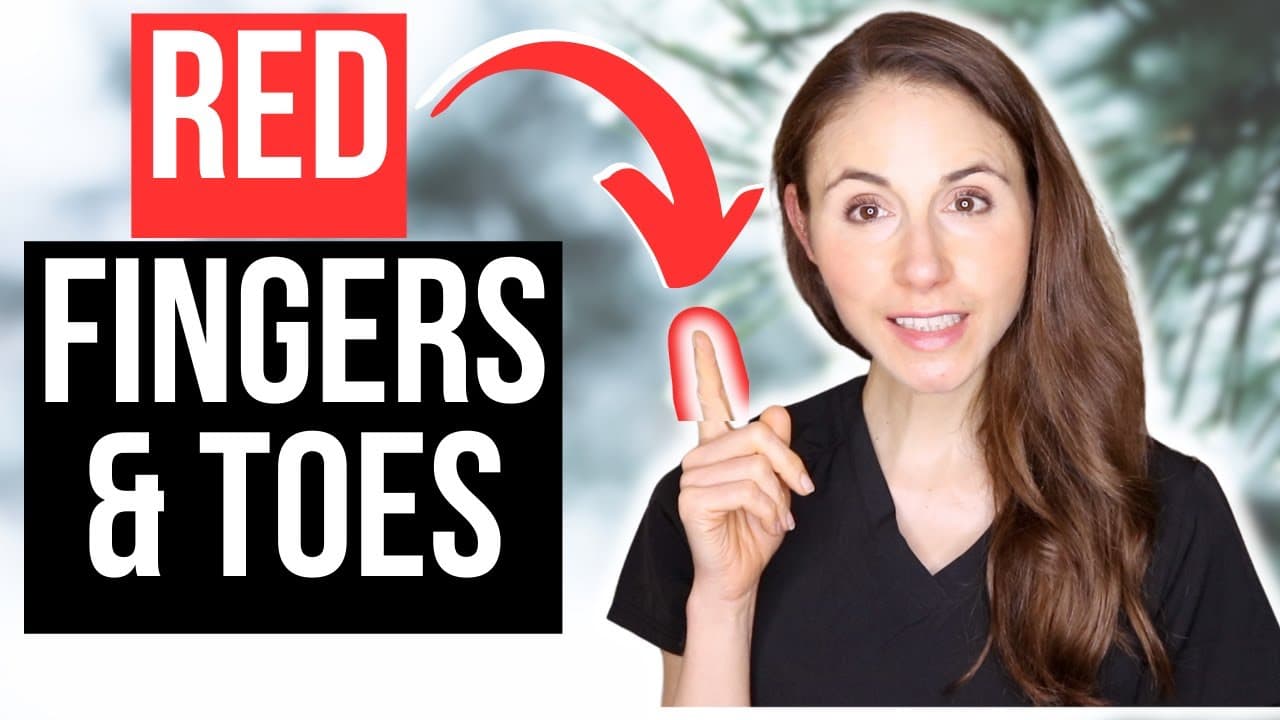
Red Fingers And Toes In Winter | Chilblains (Pernio)
TL;DR
Perniosis is a condition affecting fingers, toes, ears, and nose due to cold exposure, with tips on prevention.
Transcript
well hey guys we are in winter coming up on Spring before you know it this time of year is a really common time for a condition of the fingers the toes the ears and the nose oo I made a rhyme to pop up I really suspect a lot of you deal with this just based on some of the comments I see a lot across my videos asking what are these reddish itchy bum... Read More
Key Insights
- 😪 Perniosis, or chill blains, is a vasculitis condition triggered by cold and wet exposure, leading to red, itchy bumps on extremities.
- 🧑🏭 Risk factors for perniosis include smoking, poor nutrition, certain occupations, genetic predisposition, and underlying autoimmune conditions like lupus.
- 😩 Prevention strategies involve avoiding rapid rewarming, keeping extremities warm and dry, wearing proper clothing, staying active, and managing health conditions like diabetes.
- 😣 Treatment options may include topical medications like nitroglycerin and steroids, as well as calcium channel blockers for severe cases.
- 🧑⚕️ Perniosis typically resolves within 24 hours in healthy individuals but can persist in those with underlying health issues or lupus.
- ✋ Proper diagnosis and management are crucial to prevent complications like ulcers and infections, especially in high-risk groups like diabetics.
- 🖐️ Genetic predisposition and environmental factors play a role in the development of perniosis, making prevention and early intervention essential.
Install to Summarize YouTube Videos and Get Transcripts
Explore YouTube Video Summarizer or Get YouTube Transcript Extractor
Questions & Answers
Q: What is perniosis and what causes it?
Perniosis, also called chill blains, is a condition affecting fingers, toes, ears, and nose due to cold and wet exposure. It occurs due to a disregulation in blood vessel constriction and dilation, leading to inflammation and itchy bumps.
Q: Who is at risk of developing perniosis?
Anyone can get perniosis, but those at higher risk include smokers, individuals with low body weight or poor nutrition, certain occupational exposures, and potential genetic predisposition. It is more common in young to middle-aged women.
Q: How can perniosis be prevented?
Prevention tips include avoiding rapid rewarming, keeping extremities warm and dry, wearing properly fitting clothing, staying active, managing underlying health conditions like diabetes, and using topical medications if needed.
Q: What are the treatment options for perniosis?
Treatment may involve topical nitroglycerin and steroids to manage symptoms. Calcium channel blockers can be used for more severe cases. Regular monitoring and follow-up with a healthcare provider are essential, especially for those with underlying health issues.
Summary & Key Takeaways
-
Perniosis, also known as chill blains, is triggered by cold and wet conditions, resulting in red, itchy bumps on fingers, toes, ears, and nose.
-
Risk factors include smoking, low body weight, poor nutrition, certain occupations, and genetic predisposition.
-
Treatment involves preventing rapid rewarming, keeping extremities warm and dry, and using topical medications if needed.
Read in Other Languages (beta)
Share This Summary 📚
Summarize YouTube Videos and Get Video Transcripts with 1-Click
Try YouTube Summary with ChatGPT & Claude or YouTube Transcript Generator
Explore More Summaries from Dr Dray 📚






Summarize YouTube Videos and Get Video Transcripts with 1-Click
Try YouTube Summary with ChatGPT & Claude or YouTube Transcript Generator