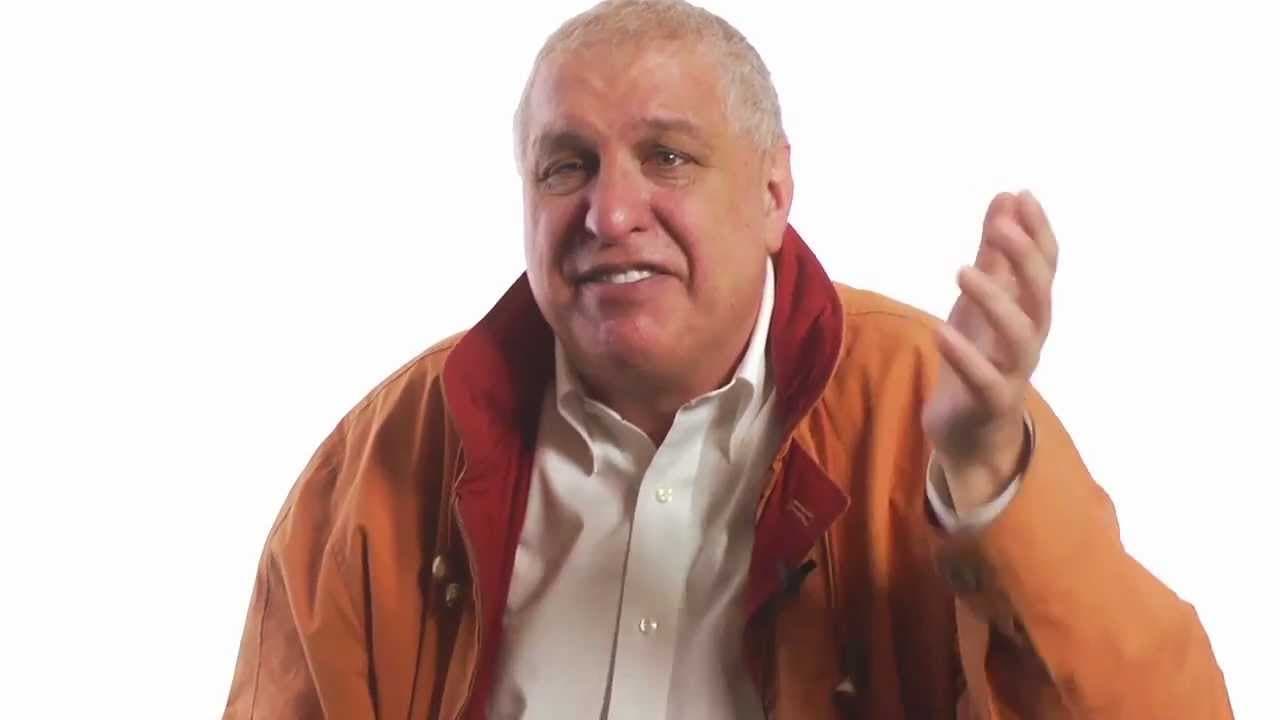
Errol Morris on Confirmation Bias (Does your brain frame the picture?)
TL;DR
The author explores confirmation bias in the MacDonald case and its impact on evidence collection and perception of truth.
Transcript
I would never set myself up as somehow the oracle of truth or value-free judgment. You know, I’m really not that different from the next guy. . . . I am a contrarian. I think I can admit to that. Looking at the MacDonald case, I was bothered by it. I don’t know how else to describe it. There’s a line in a Robert Mitchum film noir where Mitchu... Read More
Key Insights
- 🥺 Confirmation bias can lead investigators to overlook contradictory evidence, shaping the course of an investigation.
- ❓ Beliefs significantly influence how we perceive evidence in crime investigations, impacting the pursuit of truth.
- 😐 Vision is not neutral but influenced by preconceptions, affecting how investigators interpret crime scenes.
- 📺 The MacDonald case exemplifies how confirmation bias can result in tunnel vision, hindering a holistic investigation approach.
- 🥺 Preconceived notions about guilt can lead investigators to dismiss conflicting evidence, perpetuating a narrow view of the case.
- 🪡 The impact of belief on evidence perception underscores the need for unbiased investigative approaches in criminal cases.
- ❓ The author's contrarian perspective challenges simplistic narratives in crime investigations, advocating for critical evaluation of evidence.
Install to Summarize YouTube Videos and Get Transcripts
Explore YouTube Video Summarizer or Get YouTube Transcript Extractor
Questions & Answers
Q: How does confirmation bias affect the investigation process in the MacDonald case?
Confirmation bias in the MacDonald case led investigators to focus only on evidence that supported their theory, potentially overlooking crucial information that contradicted their beliefs. This tunnel vision shaped the investigation's course and outcomes for over 40 years.
Q: What role does belief play in shaping our perception of evidence in crime investigations?
The author argues that our beliefs fundamentally influence how we see evidence, highlighting that vision is not neutral but shaped by our preconceptions. Beliefs can lead to overlooking contradictory evidence, shaping the investigation’s narrative.
Q: How did investigators in the MacDonald case perceive the crime scene, and what effect did it have on the case?
Investigators quickly assigned guilt to MacDonald, believing he staged the crime scene. This preconceived notion led them to dismiss any evidence suggesting intruders, ultimately influencing the case's direction for decades.
Q: How does the author's analysis challenge the narrative presented in Joe McGinniss's "Fatal Vision"?
The author's contrarian perspective challenges the simplified narrative presented in "Fatal Vision," highlighting the dangers of accepting a theory without critically evaluating alternative explanations. This critical stance promotes a more nuanced understanding of crime investigations.
Summary & Key Takeaways
-
Author discusses his contrarian viewpoint on the MacDonald case, expressing skepticism towards the case's simplicity.
-
He explains how confirmation bias can influence investigators’ perception of evidence, leading to tunnel vision.
-
The author delves into the interplay between beliefs and seeing in crime investigations, highlighting the impact of preconceived notions.
Read in Other Languages (beta)
Share This Summary 📚
Summarize YouTube Videos and Get Video Transcripts with 1-Click
Try YouTube Summary with ChatGPT & Claude or YouTube Transcript Generator
Explore More Summaries from Big Think 📚
Summarize YouTube Videos and Get Video Transcripts with 1-Click
Try YouTube Summary with ChatGPT & Claude or YouTube Transcript Generator