Why This Tree Is Like a Salmon
TL;DR
Monocarpic trees fruit once and then die, a strategy that benefits species like the Takagali vesqueziai in the rainforest.
Transcript
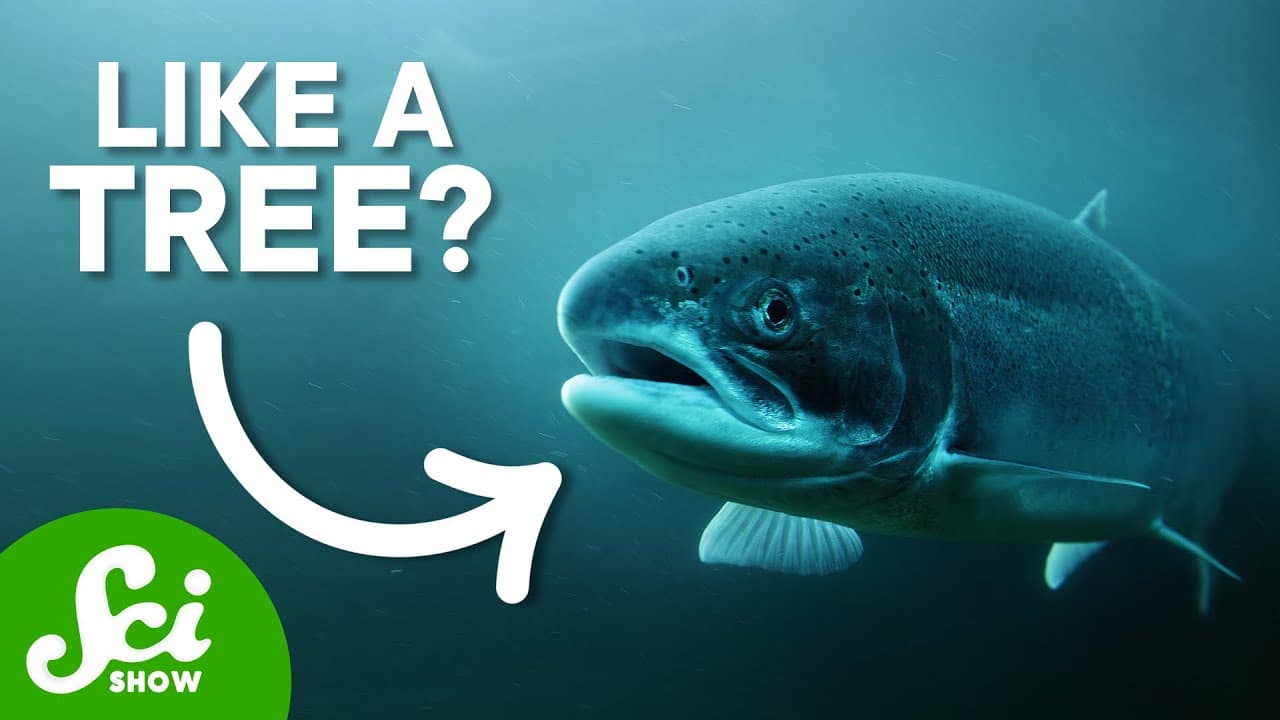
when you picture a tree you might imagine a tall sturdy pine or a reliable apple tree something that produces flowers fruit or seeds every year for dozens of years and most trees are like that but the opposite kind of trees exist as well much like many salmon species do in the animal world these trees reach reproductive age release their seeds in a... Read More
Key Insights
- 🌱 Monocarpic trees fruit once before dying, a unique reproductive strategy in the plant kingdom.
- 💨 Takagali vesqueziai, a monocarpic tree, thrives in the Amazon rainforest due to its fast growth and early reproductive maturity.
- ☠️ Researchers hypothesized various reasons for the success of Takagali vesqueziai, including overwhelming predators, better juvenile survival rates, and fast growth rates.
- 🌲 The success of Takagali vesqueziai challenges traditional notions of tree reproduction and survival strategies in stable environments.
Install to Summarize YouTube Videos and Get Transcripts
Explore YouTube Video Summarizer or Get YouTube Transcript Extractor
Questions & Answers
Q: What is a monocarpic tree, and how does it differ from other trees?
Monocarpic trees fruit once in a single massive burst before dying, unlike polycarpic trees that fruit year after year, putting all their energy into one reproductive event.
Q: Why is the Takagali vesqueziai tree so successful in the Amazon rainforest?
The Takagali vesqueziai tree's success is attributed to its fast growth rate, reaching reproductive maturity in just 49 years, allowing more individuals to reproduce and dominate in the rainforest.
Q: How do researchers explain the prevalence of Takagali vesqueziai despite its unique reproductive strategy?
Researchers hypothesized various reasons for the success of Takagali vesqueziai, including overwhelming predators with excess fruit, better juvenile survival rates, and fast growth rates compared to polycarp trees.
Q: What sets Takagali vesqueziai apart from other trees in the rainforest?
Takagali vesqueziai differentiates itself by its monocarpic reproductive strategy, fast growth rate, and early reproductive maturity, allowing it to thrive in the Amazon rainforest ecosystem.
Summary & Key Takeaways
-
Monocarpic trees fruit once in a massive burst before dying, a strategy seen in Takagali vesqueziai in the Amazon rainforest.
-
Researchers studied why these trees are so prevalent despite their unique reproductive strategy.
-
The success of Takagali vesqueziai is attributed to its fast growth rate and ability to reach reproductive maturity early.
Read in Other Languages (beta)
Share This Summary 📚
Summarize YouTube Videos and Get Video Transcripts with 1-Click
Try YouTube Summary with ChatGPT & Claude or YouTube Transcript Generator
Explore More Summaries from SciShow 📚


Summarize YouTube Videos and Get Video Transcripts with 1-Click
Try YouTube Summary with ChatGPT & Claude or YouTube Transcript Generator