Are Humans Slowly Losing Their Eyesight? | The Nearsightedness Epidemic
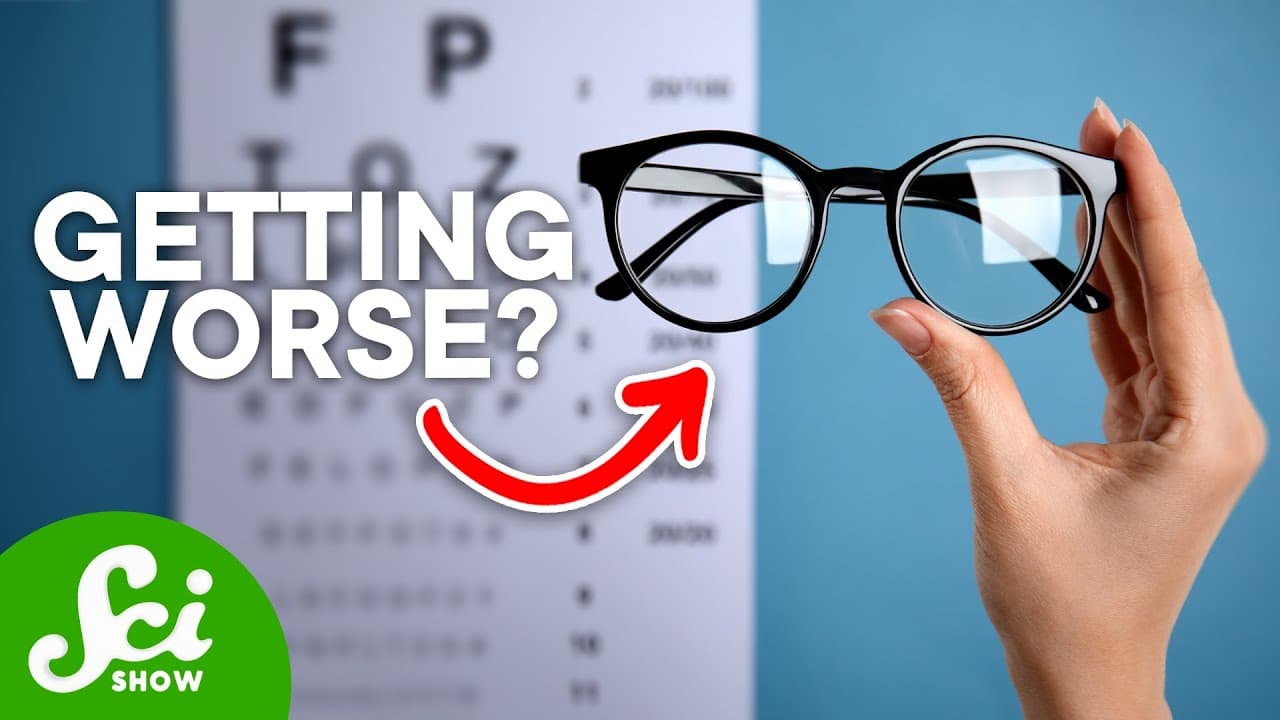
TL;DR
Epidemic of nearsightedness linked to lack of sunlight and excessive education.
Transcript
When you hear about epidemics, it usually has to do with some frightening virus like HIV or Ebola. So when scientists in the know start talking about an epidemic of nearsightedness, it probably sounds … strange. I mean, how can something that isn’t infectious or contagious become an epidemic? And yet: The prevalence of nearsightedness in the US is ... Read More
Key Insights
- 🧑🎓 Near-sightedness epidemic evident in US and Far East, especially in students.
- ❓ Genetic influence on myopia is complex, involving multiple genes.
- 😃 Sunlight exposure potentially helps prevent myopia by aiding healthy eye development.
- ✋ Education, particularly high academic demands, correlates with nearsightedness prevalence.
- 💦 Near work activities, like reading and writing, may not be the sole cause of nearsightedness.
- 🍻 Studies suggest link between sunlight exposure, dopamine release, and myopia prevention.
- 😃 Public health concern due to nearsightedness increasing risk of severe eye problems.
Install to Summarize YouTube Videos and Get Transcripts
Explore YouTube Video Summarizer or Get YouTube Transcript Extractor
Questions & Answers
Q: What factors contribute to the nearsightedness epidemic?
Factors include genetics, lack of sunlight exposure, and high educational demands, potentially leading to myopia development.
Q: How does sunlight exposure affect nearsightedness prevention?
Sunlight exposure triggers dopamine release in the eyes, aiding healthy eye development and potentially reducing the risk of myopia.
Q: Is near work like reading and writing solely responsible for nearsightedness?
While near work was traditionally blamed, recent studies suggest a combination of genetic, environmental, and educational factors contribute to myopia.
Q: Why is education linked to nearsightedness prevalence?
Education, especially intense studying, may increase the risk of myopia development, as seen in firstborns and students with higher math scores.
Summary & Key Takeaways
-
Near-sightedness epidemic affecting young people in US and East Asia.
-
Genetic, environmental, and educational factors play roles in myopia.
-
Sunlight exposure may prevent nearsightedness and reduce risks of severe eye problems.
Read in Other Languages (beta)
Share This Summary 📚
Summarize YouTube Videos and Get Video Transcripts with 1-Click
Try YouTube Summary with ChatGPT & Claude or YouTube Transcript Generator
Explore More Summaries from SciShow 📚


Summarize YouTube Videos and Get Video Transcripts with 1-Click
Try YouTube Summary with ChatGPT & Claude or YouTube Transcript Generator