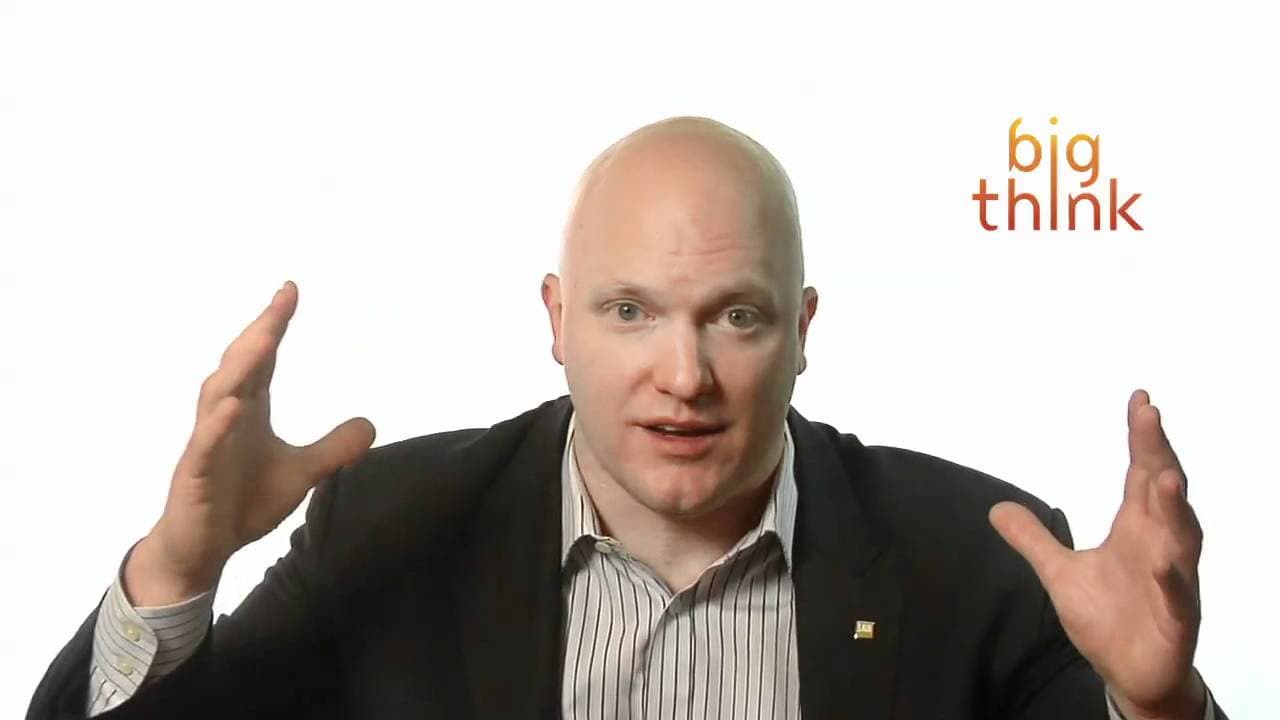
Big Think Interview With Paul Rieckhoff
TL;DR
Iraq and Afghanistan veterans face isolation, unemployment, and lack of public support upon returning home.
Transcript
my name is Paul reichhoff I'm the executive director and founder of Iraq and Afghanistan Veterans of America I'm an activist I'm an advocate an author and a proud American I think that there's no typical veteran coming home they're not a totally homogeneous group but to frame it up broadly there are about 2.2 million men and women who've been to Ir... Read More
Key Insights
- 😀 Iraq and Afghanistan veterans face social isolation, high unemployment rates, and lack of public support upon returning home.
- ❓ The unique composition of the veteran population contributes to diverse experiences and challenges during the reintegration process.
- 🐕🦺 Addressing stigma surrounding veterans and promoting public awareness is crucial for supporting returning service members effectively.
- 😨 Government and society must provide comprehensive support and resources for veterans, especially in mental health and traumatic brain injury care.
- 😷 Overturning policies like "Don't Ask, Don't Tell" requires careful implementation to ensure the protection and rights of LGBTQ+ service members.
- 🎖️ Involving the veteran and military community in policy dialogues is essential for addressing challenges and driving meaningful change.
- 🎖️ The media's portrayal of veterans and military issues often perpetuates stereotypes, emphasizing the need for accurate representation and informed discussions.
Install to Summarize YouTube Videos and Get Transcripts
Explore YouTube Video Summarizer or Get YouTube Transcript Extractor
Questions & Answers
Q: What challenges do Iraq and Afghanistan veterans face upon returning home?
Iraq and Afghanistan veterans encounter issues like social isolation, unemployment, and lack of public support, impacting their reintegration into civilian life. The disconnect between veterans and the American public adds to their challenges.
Q: How does the unique composition of Iraq and Afghanistan veterans contribute to their diverse experiences?
The Iraq and Afghanistan veteran population is diverse, with women, National Guardsmen, and reservists serving alongside those from varied political and socioeconomic backgrounds, making their challenges and experiences unique.
Q: How can the stigma associated with veterans be addressed to ensure their successful reintegration into society?
Overcoming the negative stereotypes surrounding veterans, particularly in media portrayals, requires public education and awareness initiatives to promote understanding and support for returning service members.
Q: What role does the government play in supporting veterans, especially in terms of mental health and traumatic brain injury?
The government must provide comprehensive support for veterans, including addressing mental health issues like traumatic brain injury, with a focus on public education, research, and treatment to ensure lifelong care for veterans.
Summary & Key Takeaways
-
Iraq and Afghanistan veterans, a diverse population, face challenges including isolation, unemployment, and lack of public support.
-
Unprecedented disconnect exists between returning veterans and the American public, leading to feelings of loneliness and isolation.
-
The high unemployment rate among veterans, coupled with economic difficulties, presents formidable obstacles for their reintegration into civilian life.
Read in Other Languages (beta)
Share This Summary 📚
Summarize YouTube Videos and Get Video Transcripts with 1-Click
Try YouTube Summary with ChatGPT & Claude or YouTube Transcript Generator
Explore More Summaries from Big Think 📚



Summarize YouTube Videos and Get Video Transcripts with 1-Click
Try YouTube Summary with ChatGPT & Claude or YouTube Transcript Generator