Jewels of the Renaissance
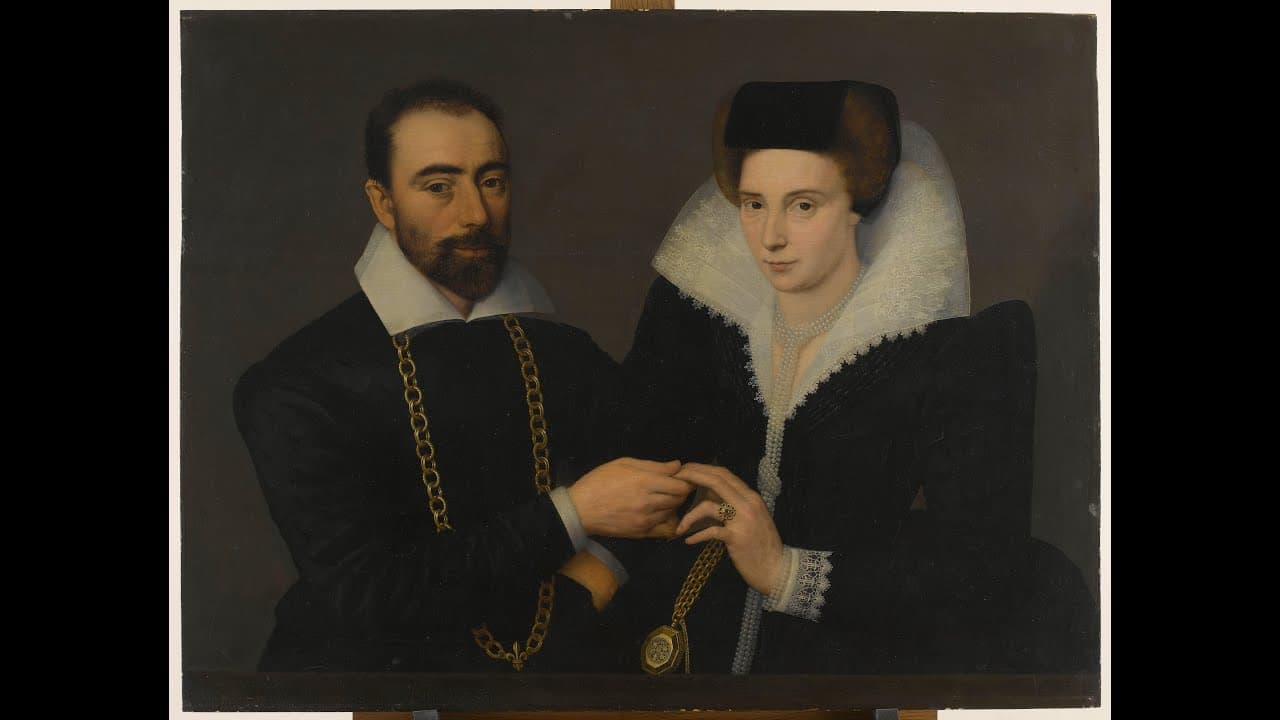
TL;DR
Explore the significance of Renaissance jewelry, its connection to power and culture, and its evolution in design and materials.
Transcript
hello everyone and welcome to likol the school of jewelry arts we're very delighted to have you tonight well for us in paris this is tonight we should say good morning good afternoon depending on you are today but we're very delighted to have you for this first series this month of online live conversations jewels of the renaissance between power c... Read More
Key Insights
- ✊ Renaissance jewelry was influenced by political, economic, and cultural factors, representing power and conveying messages through its design.
- 🙈 The period saw a revival of ancient motifs, knowledge, and techniques, as well as the incorporation of materials from newly discovered regions.
- 😩 Jewelry was worn as a symbol of status and influence, with designs influenced by the Renaissance interest in humanism and the individual.
- ❓ Precious gemstones, intricate metalwork, and innovative techniques such as enameling and carving were characteristic of Renaissance jewelry.
- 🕰️ Renaissance jewelry showcased the wealth and refinement of the wearer, with pieces often representing specific historical and cultural contexts.
- 😩 The Renaissance period saw the development of jewelry sets, where multiple pieces were designed to be worn and complement each other.
- 👳 The wearing of rings in different ways and on different fingers was a common practice during the Renaissance, symbolizing power, authority, and personal expression.
Install to Summarize YouTube Videos and Get Transcripts
Explore YouTube Video Summarizer or Get YouTube Transcript Extractor
Questions & Answers
Q: What defines a Renaissance jewel?
Renaissance jewels were characterized by intricate metalwork, precious gemstones, enamel, and innovative cutting techniques. They represented power, refinement, and conveyed messages through their design and symbolism.
Q: How did the Renaissance period influence the development of jewelry?
The Renaissance marked a time of exploration, cultural exchange, and the revival of ancient knowledge. This influenced the design of jewelry, incorporating motifs from the ancient world and materials from newly discovered regions.
Q: What materials were commonly used in Renaissance jewelry?
Renaissance jewelry often featured precious gemstones such as diamonds, emeralds, rubies, and pearls. Gold and silver were used extensively in metalwork, and enamel was employed to add color and intricate details to the pieces.
Q: How did Renaissance jewelry reflect power and cultural significance?
Renaissance jewelry was worn by royalty, nobility, and the wealthy elite as a symbol of their status and influence. It conveyed messages and reflected the political, social, and cultural contexts of the time.
Key Insights:
- Renaissance jewelry was influenced by political, economic, and cultural factors, representing power and conveying messages through its design.
- The period saw a revival of ancient motifs, knowledge, and techniques, as well as the incorporation of materials from newly discovered regions.
- Jewelry was worn as a symbol of status and influence, with designs influenced by the Renaissance interest in humanism and the individual.
- Precious gemstones, intricate metalwork, and innovative techniques such as enameling and carving were characteristic of Renaissance jewelry.
- Renaissance jewelry showcased the wealth and refinement of the wearer, with pieces often representing specific historical and cultural contexts.
- The Renaissance period saw the development of jewelry sets, where multiple pieces were designed to be worn and complement each other.
- The wearing of rings in different ways and on different fingers was a common practice during the Renaissance, symbolizing power, authority, and personal expression.
- Renaissance jewelry extended beyond adornment; it embodied significant meaning, protection, and spirituality for the wearers.
Summary & Key Takeaways
-
The Renaissance period was a key time in the development of jewelry, characterized by the adornment of royalty and nobility with luxurious and symbolic pieces.
-
Jewelry during this time was influenced by political, social, and cultural contexts, representing power, refinement, and messages conveyed by the wearer.
-
Renaissance jewelry was characterized by the use of precious gemstones, intricate metalwork, and innovative techniques such as enameling and carving.
Read in Other Languages (beta)
Share This Summary 📚
Summarize YouTube Videos and Get Video Transcripts with 1-Click
Try YouTube Summary with ChatGPT & Claude or YouTube Transcript Generator