Products
Features
YouTube Video Summarizer
Summarize YouTube videos
Web & PDF Highlighter
Highlight web pages & PDFs
Chat with PDF
Ask any PDF questions with AI
Ask AI Clone
Chat with your highlights & memories
Audio Transcriber
Transcribe audio files to text
Glasp Reader
Read and highlight articles
Kindle Highlight Export
Export your Kindle highlights
Idea Hatch
Hatch ideas from your highlights
Integrations
Obsidian Plugin
Notion Integration
Pocket Integration
Instapaper Integration
Medium Integration
Readwise Integration
Snipd Integration
Hypothesis Integration
Apps & Extensions
Chrome Extension
Safari Extension
Edge Add-ons
Firefox Add-ons
iOS App
Android App
Discover
Discover
Ideas
Discover new ideas and insights
Articles
Curated articles and insights
Books
Book recommendations by great minds
Posts
Essays and notes from readers
Quotes
Inspiring quotes collection
Videos
Curated videos and summaries
Explore Glasp
Glasp Newsletter
Weekly insights and updates
Glasp Talk
Interview series with great minds
Glasp Blog
Latest news and articles
Glasp Use Cases
Learn how others use Glasp
Build & Support
Glasp API
Access Glasp's API for developers
MCP Connector
Connect Glasp to Claude & ChatGPT
Community
Glasp Reddit Community
Students
Student discount and benefits
FAQs
Frequently Asked Questions
AboutPricing
DashboardLog inSign up

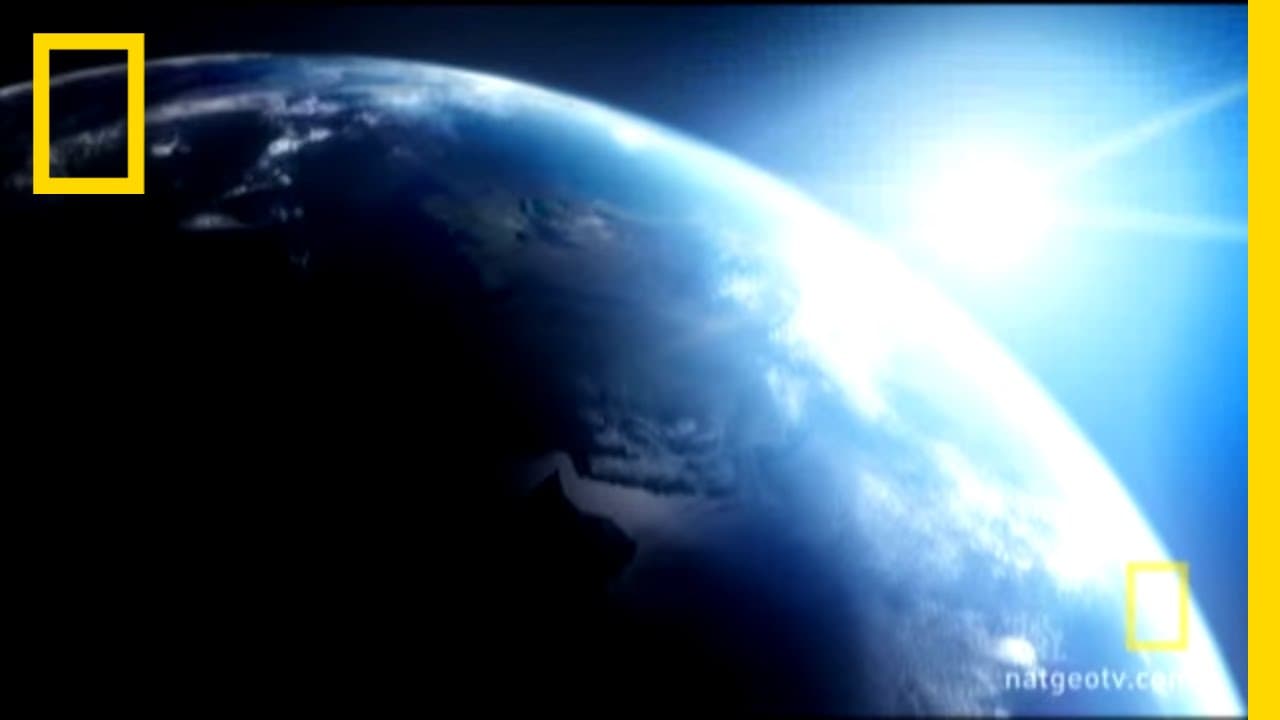
Chicken in Space | National Geographic
11.2K views
•
April 1, 2010
by
National Geographic
YouTube video player
Chicken in Space | National Geographic

TL;DR

Neptune's frigid exterior and fierce storms contrast with Jupiter's internal heat generating epic, never-ending storms.

Transcript

about 2.8 billion miles from the Sun Neptune gets very little heat from our star so it's frigid on the outside but it's still a furnace on the inside and just like on earth temperature disparity creates weather very unpleasant with there's actually a giant storm on Neptune called the great dark spot it's a big storm about the size of the earth and ... Read More

Key Insights

  • 💨 Neptune's Great Dark Spot showcases extreme storm systems with intense winds and freezing temperatures.
  • 🖤 Jupiter's epic storm, the Great Red Spot, has lasted for centuries due to the planet's lack of landmasses to dissipate its energy.
  • ⛽ Temperature differentials on both planets fuel violent weather patterns, creating some of the most powerful storms in the solar system.

Install to Summarize YouTube Videos and Get Transcripts

Explore YouTube Video Summarizer or Get YouTube Transcript Extractor

Questions & Answers

Q: What causes the extreme weather on Neptune and Jupiter?

The extreme weather on both planets is driven by temperature differentials, with Neptune's frigid exterior and Jupiter's hot core creating intense storm systems.

Q: How long has the Great Red Spot been raging on Jupiter, and why?

The Great Red Spot has been active for 400 years on Jupiter, fueled by the absence of landmasses to dissipate its energy, allowing the storm to persist indefinitely.

Q: What makes Jupiter's storms so much more powerful than Earth's hurricanes?

The lack of land masses on Jupiter prevents its storms from losing energy, while the planet's gas giant composition allows for incredibly fast winds up to 500 mph.

Q: Could humans survive the extreme storms on Jupiter?

Humans would not survive the intense storms on Jupiter, with winds capable of tearing flesh from bones and reaching speeds that far exceed anything experienced on Earth.

Summary & Key Takeaways

  • Neptune, 2.8 billion miles from the Sun, experiences extreme cold temperatures but hosts the Great Dark Spot, a massive storm with winds reaching 1,100 mph and temperatures of -260°F.

  • Jupiter, fueled by internal heat, sustains epic storms like the Great Red Spot lasting for 400 years, with winds up to 500 mph.

  • The violent storms on Jupiter could shred flesh, showcasing the extreme and unrelenting nature of the planet's weather.


Read in Other Languages (beta)

English

Share This Summary 📚

Summarize YouTube Videos and Get Video Transcripts with 1-Click

Download browser extensions on:

Try YouTube Summary with ChatGPT & Claude or YouTube Transcript Generator

Explore More Summaries from National Geographic 📚
Horseshoe Crabs Mate in Massive Beach "Orgy" | National Geographic thumbnail
Horseshoe Crabs Mate in Massive Beach "Orgy" | National Geographic
National Geographic
Stuffing Dead Pets | Taboo: Pets thumbnail
Stuffing Dead Pets | Taboo: Pets
National Geographic
Where Your Cat Goes May Blow Your Mind | National Geographic thumbnail
Where Your Cat Goes May Blow Your Mind | National Geographic
National Geographic
Mitigation and Adaptation: Human Stories of Hope | Explorers In The Field thumbnail
Mitigation and Adaptation: Human Stories of Hope | Explorers In The Field
National Geographic

Summarize YouTube Videos and Get Video Transcripts with 1-Click

Download browser extensions on:

Try YouTube Summary with ChatGPT & Claude or YouTube Transcript Generator

Apps & Extensions

  • Chrome Extension
  • Safari Extension
  • Edge Add-ons
  • Firefox Add-ons
  • iOS App
  • Android App

Key Features

  • YouTube Video Summarizer
  • Web & PDF Summarizer
  • Web & PDF Highlighter
  • Chat with PDF
  • Ask AI Clone
  • Audio Transcriber
  • Glasp Reader
  • Kindle Highlight Export
  • Idea Hatch

Integrations

  • Obsidian Plugin
  • Notion Integration
  • Pocket Integration
  • Instapaper Integration
  • Medium Integration
  • Readwise Integration
  • Snipd Integration
  • Hypothesis Integration

More Features

  • APIs
  • MCP Connector
  • Blog & Post
  • Embed Links
  • Image Highlight
  • Personality Test
  • Quote Shots

Company

  • About us
  • Blog
  • Community
  • FAQs
  • Job Board
  • Newsletter
  • Pricing
Terms

•

Privacy

•

Guidelines

© 2026 Glasp Inc. All rights reserved.