Why Are Ships Being Scrapped Instead of Used?
TL;DR
Shipping companies are scrapping ships due to decreased demand and high maintenance costs associated with older vessels. Economic factors, including a spike in scrap metal prices driven by China's infrastructure projects, make scrapping financially appealing despite the risks to future global trade. This trend could push nations toward greater self-sufficiency as the merchant fleet shrinks.
Transcript
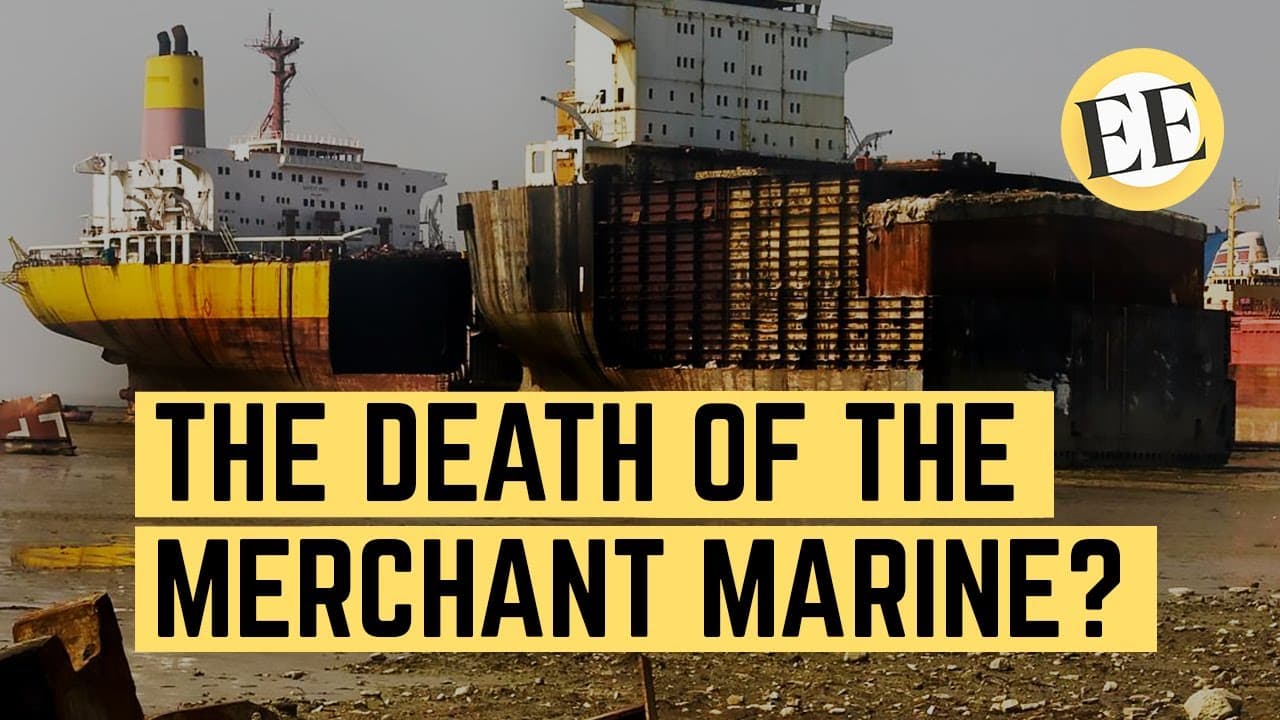
This is the Carnival Imagination, a luxury cruise liner worth hundreds of millions of dollars, which just 10 short months ago was touring passengers in extreme comfort to exotic destinations all over the world. This ship is sailing dead ahead to its final port of call, where it has been sold for scrap alongside dozens of other ships that have b... Read More
Key Insights
- The global pandemic has led to a decline in tourism and trade, resulting in the scrapping of ships that could have sailed for decades.
- The Chittagong ship breaking yard in Bangladesh has seen an influx of ships being scrapped, highlighting the economic impact on the merchant marine fleet.
- Ships are depreciating assets, and as they age, maintenance costs can outweigh profits, making scrapping a viable financial decision.
- Slow steaming is a strategy used by shipping companies to save on fuel costs, although it results in longer delivery times.
- Larger ships like the Valemax class can carry significantly more cargo, offering economies of scale that benefit shipping companies.
- Shipping is more cost-effective than other transportation methods, making it crucial for global trade, especially for landlocked countries.
- The pandemic has reduced demand for shipping, leading companies to consider scrapping ships for immediate financial relief.
- China's infrastructure stimulus has increased demand for iron, raising scrap metal prices and influencing shipping companies' decisions to scrap ships.
Install to Summarize YouTube Videos and Get Transcripts
Explore YouTube Video Summarizer or Get YouTube Transcript Extractor
Questions & Answers
Q: Why are ships being scrapped during the pandemic?
Ships are being scrapped during the pandemic due to a significant decline in tourism and trade, which has reduced the demand for shipping. Maintaining older ships becomes financially burdensome as they are less efficient and costly to operate. Scrapping provides immediate financial relief by converting ships into valuable scrap metal, especially with rising iron prices.
Q: What is the impact of scrapping ships on global trade?
Scrapping ships reduces the global merchant marine fleet, potentially creating barriers to international trade. Fewer ships mean reduced capacity for transporting goods, which could lead to increased shipping costs and encourage nations to become more self-sufficient. This shift might slow down the global cooperation that has traditionally driven economic growth.
Q: How does slow steaming benefit shipping companies?
Slow steaming allows shipping companies to reduce fuel consumption by operating ships at lower speeds. Although this results in longer delivery times, the savings on fuel costs can outweigh the drawbacks. This strategy is particularly beneficial during periods of high fuel prices or when demand for shipping services is low, as seen during the pandemic.
Q: Why is shipping more cost-effective than other transport methods?
Shipping is more cost-effective due to its ability to transport large quantities of goods over long distances at a lower cost compared to other methods like air or land transport. Ships can carry massive cargo loads, benefiting from economies of scale, and do not require extensive infrastructure like railways or highways, making them ideal for international trade.
Q: What role does China's infrastructure spending play in ship scrapping?
China's infrastructure spending has increased the demand for raw materials, particularly iron, driving up scrap metal prices. This makes scrapping ships financially attractive for shipping companies, providing them with a lucrative option during the pandemic when demand for shipping services has decreased. The increased scrap value offers immediate financial benefits to companies facing economic uncertainty.
Q: What is the significance of the Chittagong ship breaking yard?
The Chittagong ship breaking yard in Bangladesh is the largest of its kind globally and has seen a surge in ships being scrapped during the pandemic. This highlights the economic pressures faced by the shipping industry and the trend of converting ships into scrap metal. The yard's activity reflects the broader challenges in global trade and the financial decisions companies are making.
Q: How does the square cube law benefit shipping companies?
The square cube law benefits shipping companies by allowing them to increase cargo capacity significantly with only a moderate increase in material usage. Larger ships can carry exponentially more cargo, offering economies of scale that reduce costs per unit transported. This principle is a key advantage of maritime transport, enabling companies to maximize efficiency and profitability.
Q: What challenges do landlocked countries face in global trade?
Landlocked countries face challenges in global trade due to their reliance on more expensive transportation methods like rail or road, as they lack direct access to shipping routes. This increases the cost of importing and exporting goods, making it difficult for these countries to compete on price with coastal nations that benefit from cheaper maritime transport.
Summary & Key Takeaways
-
The pandemic has forced many shipping companies to scrap ships due to decreased demand and economic pressures. This decision is influenced by the high costs of maintaining older, less efficient ships.
-
China's infrastructure projects have driven up iron prices, making scrapping ships financially appealing. This trend could impact global trade and push countries towards self-sufficiency.
-
Shipping remains the most cost-effective transport method, but the pandemic has challenged its viability. Companies are scrapping ships to reduce costs, impacting the future of international trade.
Read in Other Languages (beta)
Share This Summary 📚
Summarize YouTube Videos and Get Video Transcripts with 1-Click
Try YouTube Summary with ChatGPT & Claude or YouTube Transcript Generator
Explore More Summaries from Economics Explained 📚






Summarize YouTube Videos and Get Video Transcripts with 1-Click
Try YouTube Summary with ChatGPT & Claude or YouTube Transcript Generator