Learn from every “no” | Masters of Scale
TL;DR
Rejection is a stepping stone for successful entrepreneurs.
Transcript
the way mcgyver came to be is kind of an unusual story I was actually hired to write a pilot with a different concept the studio said we're so excited about this cuz it's never been done before and I went well that's great what is it that's Lee lotov he's a writer producer and director and he created one of my all-time favorite TV characters MacGyv... Read More
Key Insights
- Lee Zlotoff's creation of MacGyver demonstrates the power of turning rejection into an opportunity for innovation, showcasing the importance of resilience in the creative process.
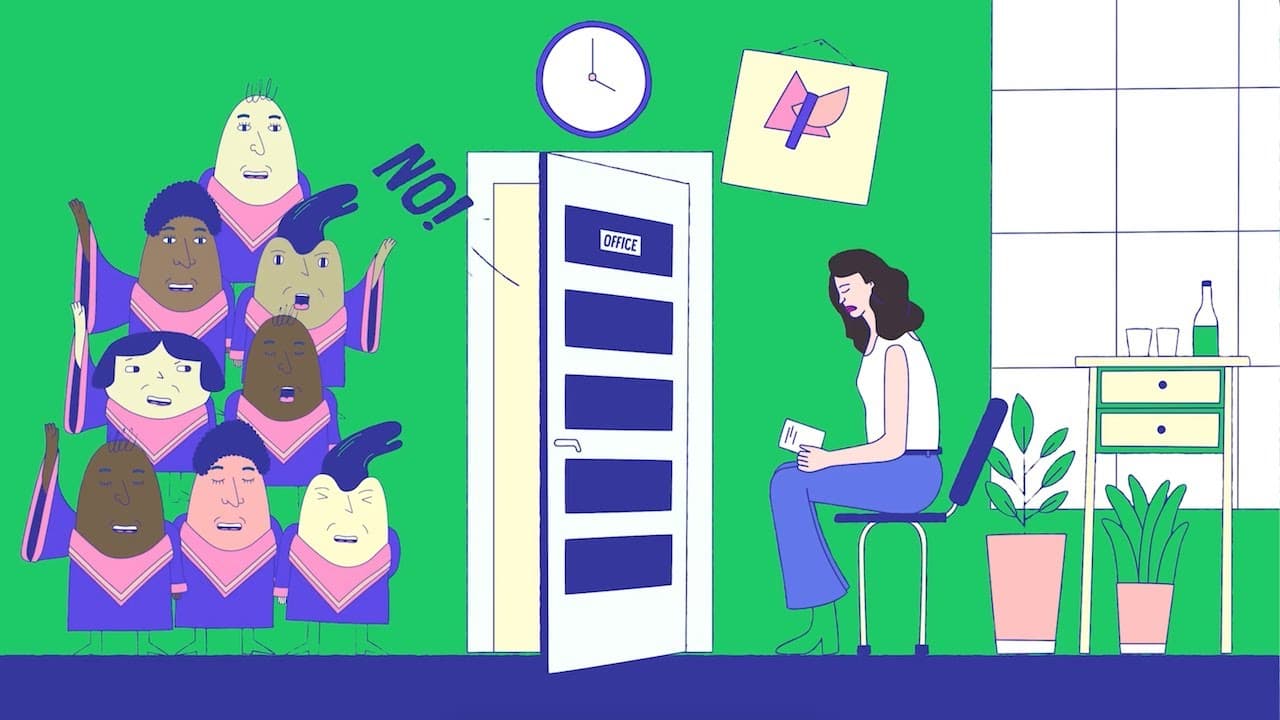
- Reid Hoffman emphasizes that hearing a chorus of 'no's can be a positive indicator, suggesting that your idea might be contrarian and transformative.
- Tristan Walker's journey with Bevel illustrates the challenge of pitching to investors who may not immediately see the value in niche markets, highlighting the need for perseverance.
- Katia Beauchamp of Birchbox faced skepticism from investors due to the novelty of subscription models, but her persistence and market understanding eventually led to success.
- John Foley's experience with Peloton shows that even a 10/10 idea can face massive rejection, underscoring the need for persistence and belief in one's vision.
- Alexa von Tobel's TechCrunch experience with LearnVest highlights the importance of audience understanding, as initial rejection did not deter eventual success.
- Princess Reema bint Bandar Al Saud's efforts in Saudi Arabia demonstrate how societal 'no's can be overcome by setting precedents and creating opportunities for change.
- Tyra Banks shares the importance of saying no to opportunities that don't align with personal values, even when they are financially lucrative.
Install to Summarize YouTube Videos and Get Transcripts
Explore YouTube Video Summarizer or Get YouTube Transcript Extractor
Questions & Answers
Q: What was the initial idea for MacGyver, and how did it evolve?
The initial idea for MacGyver was a different concept that the studio wanted, but Lee Zlotoff believed it wouldn't work. Through creative brainstorming with friends, the concept evolved into a hero who improvises solutions with minimal resources, leading to the iconic character known for his ingenuity.
Q: Why does Reid Hoffman believe hearing 'no' can be a good sign?
Reid Hoffman believes that hearing 'no' can be a good sign because it often means your idea is contrarian and not yet widely understood. This indicates that there is space for innovation, as large companies and competitors have not already succeeded in the area, leaving room for transformative ideas.
Q: How did Tristan Walker handle investor skepticism for Bevel?
Tristan Walker faced skepticism from investors who viewed the market for Bevel as niche. He focused on educating them about the significant demand among men with coarse hair, highlighting their lack of understanding as a missed opportunity. His persistence eventually led to success, proving the market's potential.
Q: What strategy did Katia Beauchamp use to convince investors about Birchbox?
Katia Beauchamp shifted her pitch to emphasize the total addressable market in beauty and its underpenetration online. By speaking the language of market opportunity and potential growth, she was able to secure investment, demonstrating the importance of tailoring pitches to investor priorities.
Q: How did John Foley eventually secure funding for Peloton?
John Foley faced hundreds of rejections but persevered by pitching to individual angel investors, eventually raising $10 million through 100 checks. His belief in the Peloton concept and ability to convey its potential allowed him to overcome initial skepticism and build the company.
Q: What lesson did Alexa von Tobel learn from her TechCrunch experience?
Alexa von Tobel learned that initial rejection doesn't determine an idea's potential. Despite harsh criticism at TechCrunch, she received positive feedback from the audience and quickly gained significant user sign-ups, reinforcing the importance of resilience and understanding target audiences.
Q: How did Princess Reema bint Bandar Al Saud overcome societal 'no's in Saudi Arabia?
Princess Reema bint Bandar Al Saud overcame societal 'no's by setting precedents and creating opportunities for women's inclusion in sports and business. Her efforts led to significant advancements in women's roles in Saudi Arabia, demonstrating the power of persistence and strategic action.
Q: Why is saying 'no' important according to Tyra Banks?
Tyra Banks emphasizes the importance of saying 'no' to opportunities that don't align with personal values, such as offers involving fur, alcohol, and cigarettes. This focus on personal integrity helps maintain a clear brand identity and ensures that business decisions align with one's core beliefs.
Summary & Key Takeaways
-
In entrepreneurship, facing rejection is inevitable, but successful entrepreneurs view these rejections as opportunities to refine their ideas and pitches. This mindset fosters resilience and can lead to transformative innovations.
-
Reid Hoffman and other successful entrepreneurs share stories of overcoming rejection, emphasizing that contrarian ideas often face initial skepticism but can ultimately lead to significant breakthroughs.
-
The podcast explores various strategies for dealing with rejection, from refining pitches to understanding investor perspectives, illustrating that resilience and adaptability are key to entrepreneurial success.
Read in Other Languages (beta)
Share This Summary 📚
Summarize YouTube Videos and Get Video Transcripts with 1-Click
Try YouTube Summary with ChatGPT & Claude or YouTube Transcript Generator
Explore More Summaries from Masters of Scale 📚

Summarize YouTube Videos and Get Video Transcripts with 1-Click
Try YouTube Summary with ChatGPT & Claude or YouTube Transcript Generator