Why Art Is Essential in Education and Life

TL;DR
Art is crucial for human experience, offering depth and meaning beyond what science and business can provide. It teaches empathy and expression, allowing individuals to connect deeply with the world. During challenging times, such as the COVID-19 pandemic, people naturally turn to art for solace and understanding, highlighting its integral role in society.
Transcript
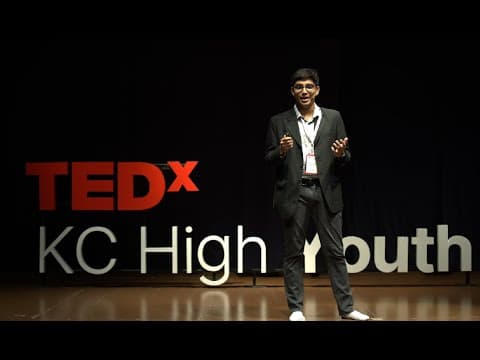
It's always heartening to come back to educational institutions especially your folk your age might have not known this but many years ago I when I introduced Ole drama to Pakistan I thought students are going to rush to it I mean why not I mean it's theater it's performance it's expression but that didn't happen no one rushed perhaps I should say ... Read More
Key Insights
- Art is a fundamental human function, not just an academic subject.
- Without art, intelligence becomes efficient but lacks depth and meaning.
- During the COVID-19 pandemic, people turned to art to find expression and meaning.
- Art enables individuals to feel and express experiences that cannot be captured by other disciplines.
- True influence comes from deep, meaningful art, not just popularity or viral content.
- Artists are sensitive to their surroundings, often speaking out when others remain silent.
- Art challenges societal norms and introduces doubt, which is essential for change.
- Everyone should become conscientious consumers of art, appreciating its influence on the world.
Install to Summarize YouTube Videos and Get Transcripts
Explore YouTube Video Summarizer or Get YouTube Transcript Extractor
Questions & Answers
Q: Why is art important in education?
Art is important in education because it fosters empathy, creativity, and expression, allowing students to experience and understand life beyond academic knowledge. It complements other disciplines by adding depth and meaning, enabling students to explore their emotions and the world in a more holistic way.
Q: How does art influence society?
Art influences society by challenging norms, introducing doubt, and fostering change. It acts as a mirror reflecting societal issues, compelling individuals to think critically and feel deeply. Art encourages dialogue and introspection, often leading to social and cultural transformations.
Q: What role did art play during the COVID-19 pandemic?
During the COVID-19 pandemic, art played a crucial role in providing solace and expression. As the world slowed down, people turned to creative activities like baking, writing, and dancing to find meaning and cope with uncertainty. Art helped individuals connect with their emotions and navigate the challenges of isolation.
Q: How can individuals become conscientious consumers of art?
Individuals can become conscientious consumers of art by pausing to reflect on the influence and meaning of art they engage with. They should seek art that resonates deeply, challenges their perspectives, and contributes positively to personal and societal growth, rather than merely consuming popular or viral content.
Q: What is the difference between popularity and true influence in art?
Popularity in art often refers to widespread recognition and viral success, whereas true influence is about the deep, lasting impact art has on individuals and society. True influence involves art that challenges norms, provokes thought, and resonates emotionally, leading to meaningful change and introspection.
Q: Why do artists often challenge societal norms?
Artists challenge societal norms because they are sensitive to their surroundings and feel compelled to express their observations and emotions. This sensitivity allows them to question the status quo, introduce doubt, and foster change, as art encourages critical thinking and reflection on societal issues.
Q: What does it mean to say 'art is a rehearsal of empathy'?
Saying 'art is a rehearsal of empathy' means that art allows individuals to experience and understand the emotions and struggles of others without directly living through them. Through art, people can connect with different perspectives, fostering empathy and a deeper appreciation for diverse human experiences.
Q: How does art complement other academic disciplines?
Art complements other academic disciplines by adding emotional depth and meaning to factual knowledge. While subjects like science and economics explain behavior and value, art explores the human experience, asking questions about justice, meaning, and emotion, thus enriching the overall educational experience.
Summary & Key Takeaways
-
Art is not merely an academic subject but a vital human function that enriches intelligence with depth and meaning. It allows individuals to experience and express emotions and ideas that other disciplines cannot capture, making it essential for personal and societal growth.
-
During the COVID-19 pandemic, many people turned to art forms like cooking, writing, and dancing for solace and expression, underscoring art's role in helping individuals navigate challenging times. Art offers a way to seek answers and find meaning when the world feels uncertain.
-
True influence is derived from meaningful art rather than mere popularity. Artists, by expressing sensitivity to their surroundings, challenge societal norms and introduce doubt necessary for change. Everyone is encouraged to be a conscientious consumer of art, recognizing its profound impact on shaping the world.
Read in Other Languages (beta)
Share This Summary 📚
Summarize YouTube Videos and Get Video Transcripts with 1-Click
Try YouTube Summary with ChatGPT & Claude or YouTube Transcript Generator
Explore More Summaries from TEDx Talks 📚





Summarize YouTube Videos and Get Video Transcripts with 1-Click
Try YouTube Summary with ChatGPT & Claude or YouTube Transcript Generator