Coming of Age in the Anthropocene | Cosmos: Possible Worlds
TL;DR
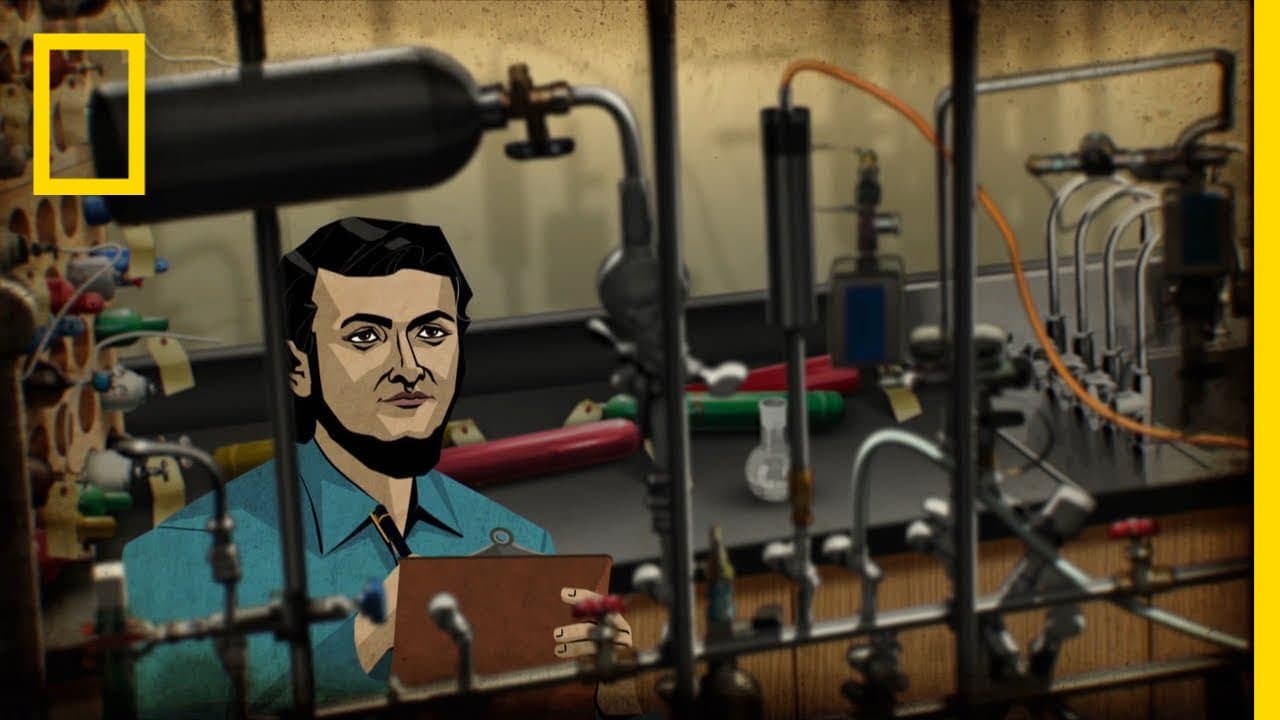
Chemists invented CFCs for refrigeration but unknowingly caused ozone layer depletion.
Transcript
[music playing] NEIL DEGRASSE TYSON: It used to be hard to keep food from spoiling in the summertime. There was a person called the ice man. He would come to your house and sell you a big block of ice. You'd keep it in something called an ice box, to preserve the kinds of food that spoil quickly. But that was a drag because the ice kept melting. It... Read More
Key Insights
- 🥺 CFCs were initially hailed as a revolutionary solution for refrigeration but inadvertently led to ozone layer depletion.
- 🍉 Chemists' innovation in creating CFCs unknowingly caused long-term environmental damage.
- 🧑🔬 Scientists like Molina and Roland's accidental discovery highlighted the unexpected consequences of human-made substances on the environment.
- 🛟 The ozone layer's crucial role in protecting life on Earth underscores the importance of understanding and mitigating human impacts on the environment.
- 🛟 Ozone layer depletion due to CFCs serves as a cautionary tale of unintended consequences in technological advancements.
- ❓ The discovery of CFCs' impact on the ozone layer revolutionized environmental awareness and policies on harmful substances.
- 👨🔬 Molina and Roland's research exemplifies the unpredictable nature of scientific inquiry and its potential to uncover significant global issues.
Install to Summarize YouTube Videos and Get Transcripts
Explore YouTube Video Summarizer or Get YouTube Transcript Extractor
Questions & Answers
Q: How were CFCs initially used and why were they popular?
CFCs were created as a substitute for ice blocks for refrigeration, later used in multiple products due to their versatility, including propellants, solvents, and insulation.
Q: What led scientists like Molina and Roland to study the impact of CFCs on the atmosphere?
Molina's curiosity about CFC leakage coincided with concerns about the ozone layer due to NASA's space missions, leading to their groundbreaking discovery.
Q: How do CFC molecules contribute to ozone layer depletion?
When exposed to UV light, CFC molecules release chlorine atoms that degrade ozone molecules, thinning the protective layer and allowing harmful UV radiation to reach the Earth's surface.
Q: Why is the ozone layer essential for life on Earth, and what was its significance in evolution?
The ozone layer shields us from harmful UV radiation, vital for life on land, enabling the transition from ocean to land environments over billions of years.
Summary & Key Takeaways
-
Chemists created CFCs (chlorofluorocarbons) to replace ice blocks for refrigeration.
-
CFCs were widely used in various products beyond refrigeration.
-
Scientists discovered CFCs caused ozone layer depletion, risking harmful UV radiation exposure.
Read in Other Languages (beta)
Share This Summary 📚
Summarize YouTube Videos and Get Video Transcripts with 1-Click
Try YouTube Summary with ChatGPT & Claude or YouTube Transcript Generator
Explore More Summaries from National Geographic 📚




Summarize YouTube Videos and Get Video Transcripts with 1-Click
Try YouTube Summary with ChatGPT & Claude or YouTube Transcript Generator